AZE.US
Azerbaijan’s auto market is seeing a noticeable shift as prices for Chinese-made cars continue to fall, forcing sellers of other brands to adjust as well.
What recently looked like a booming segment, with some Chinese models sold through waiting lists, is now moving into discount campaigns, flexible credit offers and more aggressive competition among dealers and private sellers.
The decline is most visible in Chinese brands, but market participants say prices have also softened for some Korean, Japanese and European models. The change reflects not only the usual summer slowdown, but also a deeper imbalance between supply and demand.
Over the past two years, imports of Chinese cars into Azerbaijan rose sharply. In 2025, more than half of the passenger cars brought into the country reportedly came from China, with BYD and Changan among the fastest-growing brands. The rapid increase in supply was not matched by the same growth in the number of buyers.
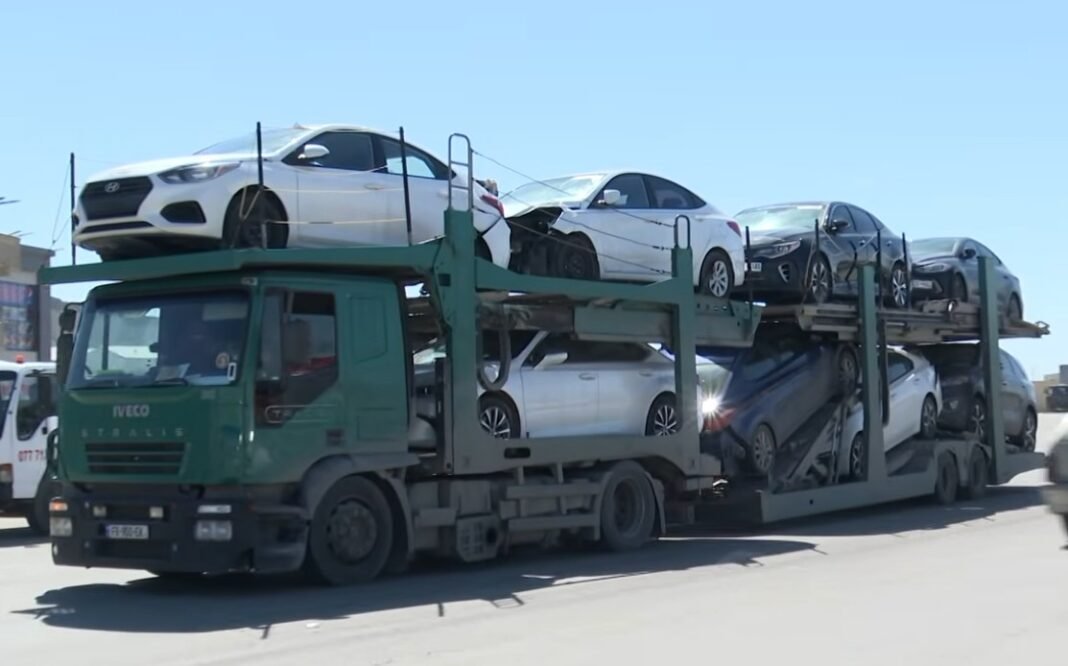
Another factor was the rush to import cars before changes to tax and customs benefits. Dealers and individual importers brought large numbers of vehicles into Azerbaijan in the final months of last year, hoping to take advantage of existing rules before they changed. Many of those cars remain unsold.
According to the State Customs Committee, Azerbaijan imported 26,805 vehicles in January-May this year. That was 15,981 fewer cars than in the same period last year, a decline of 37.3 percent. The value of imports also fell by 31.3 percent, to just over $542 million.
The drop was especially sharp in environmentally friendly vehicles. Imports of plug-in hybrid cars fell by around 68 percent, while imports of fully electric vehicles declined by 39 percent.
Eyyub Aliyev, chairman of the board of the Azerbaijan Automobile Dealers Association, said the market was oversupplied after a surge of imports in the fourth quarter of last year. According to him, many cars were brought in through parallel import channels and registered under private individuals before the incentives expired.
As a result, supply now exceeds demand, and there are enough vehicles on the market. Aliyev also said limits introduced for the taxi sector contributed to the decline in imports, since part of demand had previously come from that segment.
Seasonal factors are also playing a role. In summer, many buyers delay major purchases and spend more on vacations, travel and family expenses. June, July and August are traditionally weaker months for car sales in Azerbaijan. To attract customers, sellers are offering discounts, bonus packages and preferential credit terms.
Still, the main reason behind the price pressure is market saturation. Many investors and resellers who expected quick profits are now more focused on maintaining turnover than on preserving high margins. That is pushing prices lower.
Chinese cars have changed the competitive landscape in Azerbaijan. A few years ago, buyers with a budget of 35,000-40,000 manats usually looked at Korean or Japanese models. Today, the same amount can buy a new Chinese vehicle with richer equipment and more modern features. That has forced traditional brands to rethink pricing.
The pressure is even stronger in the used car market. Some Chinese models lose 15-25 percent of their initial value within six to eight months. Japanese and Korean cars usually hold their value better, but the broader market pressure still affects their prices.
Azerbaijan is also part of a wider global trend. Chinese automakers are increasing exports as domestic demand in China grows more slowly than before. Vehicles that cannot be sold quickly at home are being redirected to foreign markets, intensifying price competition abroad.
For now, a sharp price increase in Azerbaijan’s auto market is not expected. Inventories remain high, while buyer activity is weaker than during the period of rapid demand growth. If sales recover in the autumn and existing stocks begin to decline, prices for some popular models could rise again.
At the moment, however, buyers have more leverage than they have had in a long time. Choice has expanded, sellers are competing harder, and Azerbaijan’s auto market is moving away from shortage-driven demand toward a more balanced and price-sensitive phase.
AZE.US