AZE.US
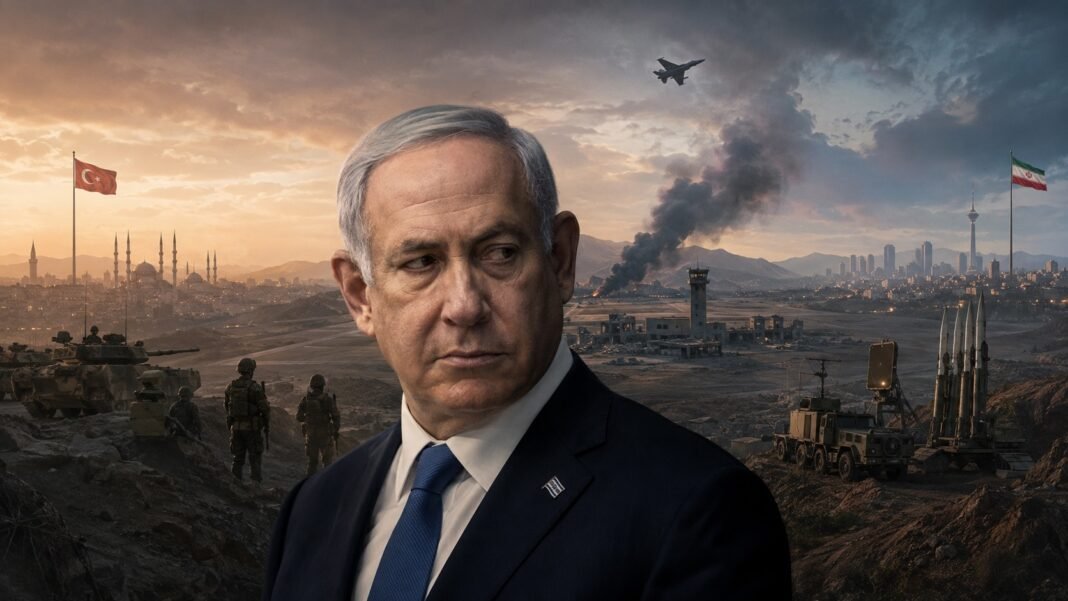
Israel had a rare opportunity to consolidate its military advantage and establish a new regional security order, but Prime Minister Benjamin Netanyahu’s policies now risk undermining those gains, according to South Caucasus Research Center Chairman Farhad Mammadov.
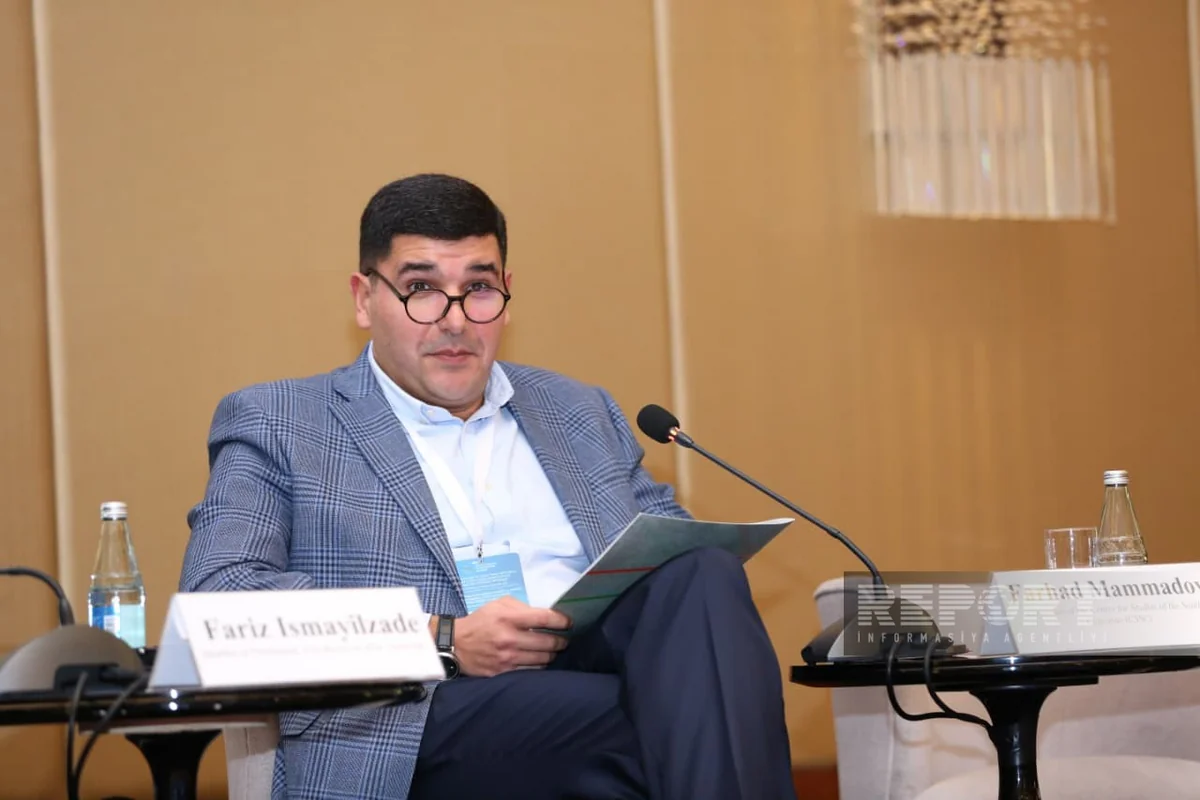
As AZE.US reports, Mammadov based his assessment on a comparison between the current regional landscape and the situation before the Hamas attack in October 2023.
At that time, Hamas controlled the Gaza Strip, Hezbollah was strengthening its position in Lebanon, and Bashar al-Assad’s government provided Iran with a strategic foothold in Syria and a supply route to Hezbollah.
Meanwhile, the Abraham Accords remained in force, dialogue with Saudi Arabia was continuing, and the Arab Gulf states largely trusted the United States as their principal security partner.
Mammadov said the Hamas attack gave Netanyahu’s government the domestic and international legitimacy needed to launch a major military operation in Gaza. Hezbollah’s subsequent activities also created the conditions for an Israeli campaign in Lebanon.
Israel then significantly altered the regional balance of power. Its forces entered Gaza, making it clear that the territory’s future could not be decided without Israeli participation. Hezbollah suffered severe losses, including the elimination of senior political, religious and military figures.
The fall of the Assad government also allowed Israel to destroy much of Syria’s air defense system and open an air corridor toward Iran. Israeli forces simultaneously expanded their security zone inside Syrian territory.
Despite the escalation, the Abraham Accords survived, while Washington retained the ability to facilitate negotiations between Israel and the Gulf monarchies. Relations with Turkey were tense but remained largely confined to diplomatic confrontation and hostile rhetoric.
“Israel reached the height of its power and secured the possibility of protecting itself in every direction,” Mammadov said.
A Missed Opportunity
According to the analyst, Netanyahu’s government could have used this position to consolidate Israel’s military achievements through diplomacy.
With the participation of the United States and regional partners, an agreement on Gaza’s future and the disarmament of Hamas may have been possible. Hezbollah could have been weakened sufficiently for the Lebanese government to restore control over the country, while security guarantees for Syria could have been negotiated with Washington and Ankara.
Such an arrangement, Mammadov argued, could have protected Israel for decades. Instead, Netanyahu’s government and its religious-nationalist allies chose to intensify the confrontation.
He described the joint U.S.-Israeli military operations against Iran as an attempt to transform the region fundamentally - one that instead produced new risks and pushed events in a different direction.
The Cost of Continuing Confrontation
Mammadov said Israel’s actions toward civilians in Gaza have severely damaged its international standing and eroded the moral authority associated with the historical memory of the Holocaust.
At the same time, the U.S. administration is seeking to bring the situation in Gaza under control through a “Peace Council” involving Turkey and Arab states. In his assessment, the Abraham Accords have lost much of their former significance, while the Gulf monarchies’ confidence in Washington declined following the war with Iran.
Tensions also remain high in Lebanon. Despite U.S. diplomatic efforts, continued Israeli strikes have limited the Lebanese government’s ability to stabilize the country and restore effective control over its territory.
Against this background, Mammadov said Netanyahu has opened another confrontation - this time with Turkey - without having resolved the challenge posed by Iran.
“This is the height of recklessness,” he said.
Mammadov also described the Mecca Pact as a signal that a new regional format is emerging without Israeli participation.
He viewed the strike on a military base in northern Syria, near Turkish forces, as another demonstration of Netanyahu’s aggressive approach and an attempt to make security escalation the central issue of his election campaign.
The Trump administration’s involvement in preventing a Turkish response, Mammadov argued, demonstrates that Netanyahu’s policies could undermine the regional order that Washington itself considers beneficial to U.S. interests.
The analyst said Turkey and other regional actors should remain restrained while clearly explaining to President Donald Trump how Israel’s actions are damaging American interests.
In his view, this is the only realistic strategy before Israel’s elections that could contribute to Netanyahu’s departure from office.
“Israel still has an opportunity to preserve its regional position, but only if Netanyahu leaves,” Mammadov concluded. “If he wins, the unpredictability and aggressiveness of Israeli policy will erase the country’s achievements.”
AZE.US