AZE.US
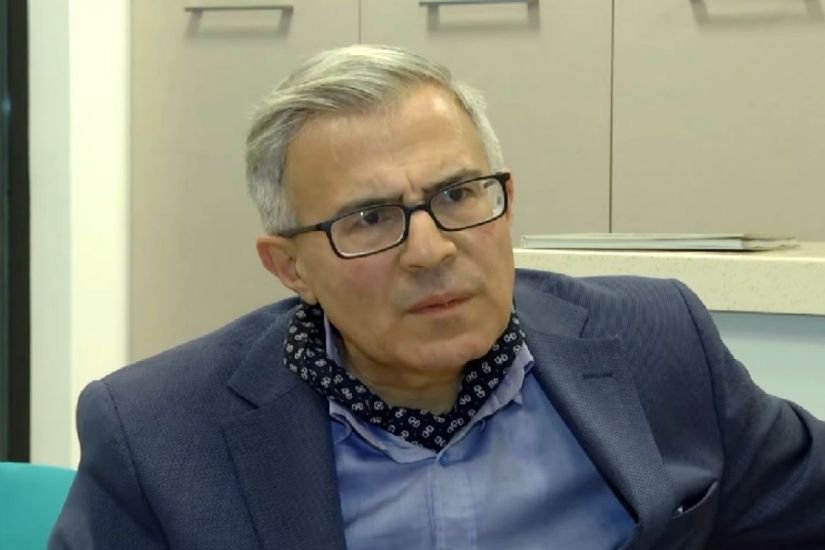
Writer Hamid Herischi, who followed the war in Iran from Tabriz, has described a city where conflict is felt first in the sky.
In an interview with BBC News Azerbaijan, Herischi said residents in Tabriz had grown used to hearing aircraft overhead and then seeing precise strikes hit military, administrative and industrial sites. According to his account, the attacks were usually not broad bombardments but targeted blows against specific locations.
Herischi said that during the period he remained in Tabriz, he did not witness mass panic among civilians. Schools, universities and places where large groups usually gather were shut, but the city did not descend into chaos. In his telling, people adjusted to the danger, carried on quietly and, in many cases, relied on dark humor to cope with what was happening around them.
He said civilians generally received no direct warning before strikes. Instead, people tried to read the signs indirectly – watching for unusual activity among military personnel and officials, who he said often rushed out of buildings with documents and equipment shortly before certain locations were hit.
Herischi also described the daily strain of life in wartime. Electricity outages in Tabriz, he said, were usually brief, but internet and communications were already weak and deteriorated further after the war began. Some residents, according to him, traveled closer to the border area in hopes of finding a stable signal and contacting relatives.
While Tabriz saw damage, Herischi suggested the heaviest scenes were in Tehran. He described approaching the capital and seeing fire on the horizon, smoke in the air and neighborhoods marked by the aftermath of strikes. The difference, in his account, was stark: in Tabriz, war was often heard before it was seen, while in Tehran its physical traces were much harder to miss.
Herischi said working openly as a journalist or documenting events in detail carried clear risks. Because of censorship, surveillance and suspicion, he said he avoided direct political reporting and instead turned to diary-style and literary notes. Even taking photos or filming on a phone, he suggested, could attract dangerous attention during wartime.
His account portrays a city not untouched by war, but not broken by open panic either – a place where people live under pressure, with limited information, unreliable communications and the constant awareness that the next strike may come without warning.