AZE.US
Farmers report strong harvests but weak earnings, citing limited market access and multiple layers of intermediaries.
Farmers in several regions of Azerbaijan say they are struggling to bring their produce to market despite solid harvest volumes, raising concerns about the structure of agricultural supply chains.
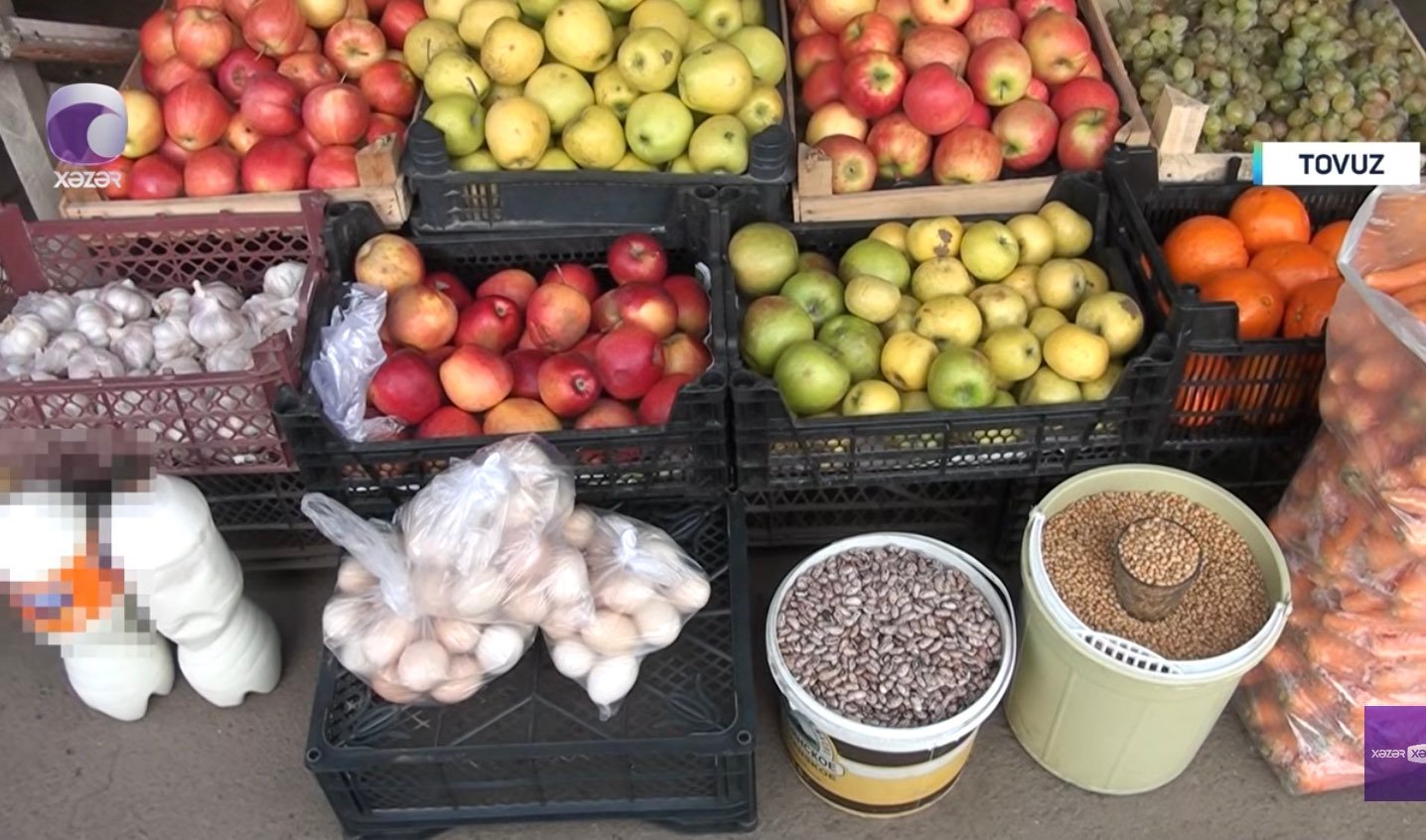
Producers report that while crop yields have been satisfactory, income remains low due to limited direct access to urban markets. Many small-scale farmers rely on intermediaries who purchase goods at prices significantly below retail levels. In some cases, growers say the offered prices barely cover production costs, including seeds, irrigation, fuel and labor.
As a result, perishable goods such as fruits and vegetables are sometimes left unsold or spoil in storage facilities. Farmers argue that transporting products independently to city markets could improve margins, but many lack access to affordable logistics, storage infrastructure and distribution channels.
Economist Jafar Ibrahimli says the core issue lies in how the sales chain is structured in Azerbaijan. Multiple intermediaries often operate between farmers and end consumers, creating a substantial gap between farm-gate prices and retail prices.
According to Ibrahimli, reform options include expanding direct-to-market access for farmers or developing larger, transparent procurement and distribution companies that can handle logistics more efficiently. Reducing excessive intermediary margins, he says, would help stabilize farm incomes while potentially benefiting consumers.
Analysts note that without improvements to market access and distribution systems, the long-term sustainability of small and medium-sized agricultural producers could remain under pressure.