AZE.US
A hantavirus outbreak linked to a cruise ship in the Atlantic has raised concern in Europe, but health authorities say the risk to the wider public remains low.
The cases were detected among passengers and crew of the MV Hondius, a cruise ship that had travelled from South America. According to international reports, at least three people have died and several confirmed or suspected cases have been identified. Health authorities in several countries are now tracing passengers who left the ship before the outbreak was fully recognized.
The incident is being linked to the Andes virus, a type of hantavirus found in parts of South America. Most hantaviruses spread mainly through contact with infected rodents or with dust contaminated by their urine, droppings or saliva. The Andes strain is unusual because rare person-to-person transmission has been documented, usually after close and prolonged contact with an infected person.
That distinction matters. Hantavirus is not spreading like COVID-19. It is not a virus that typically moves through casual contact in crowded streets, public transport or shopping centers. The World Health Organization has said the cruise-ship outbreak is not the start of a pandemic, and the general public risk remains low.
The disease can still be severe. Depending on the strain and the region, hantavirus infections can cause either hemorrhagic fever with renal syndrome or hantavirus pulmonary syndrome, a dangerous illness affecting the lungs and heart. The WHO says fatality rates vary widely, from below 1% to 15% in parts of Asia and Europe, and up to 50% in the Americas.
For Azerbaijan, there is currently no indication of a direct public health threat from this outbreak. The known cluster is tied to a specific cruise route and likely exposure in South America. There have also been no reports of a mass or severe hantavirus outbreak in Azerbaijan, according to local medical commentary cited in Azerbaijani media.
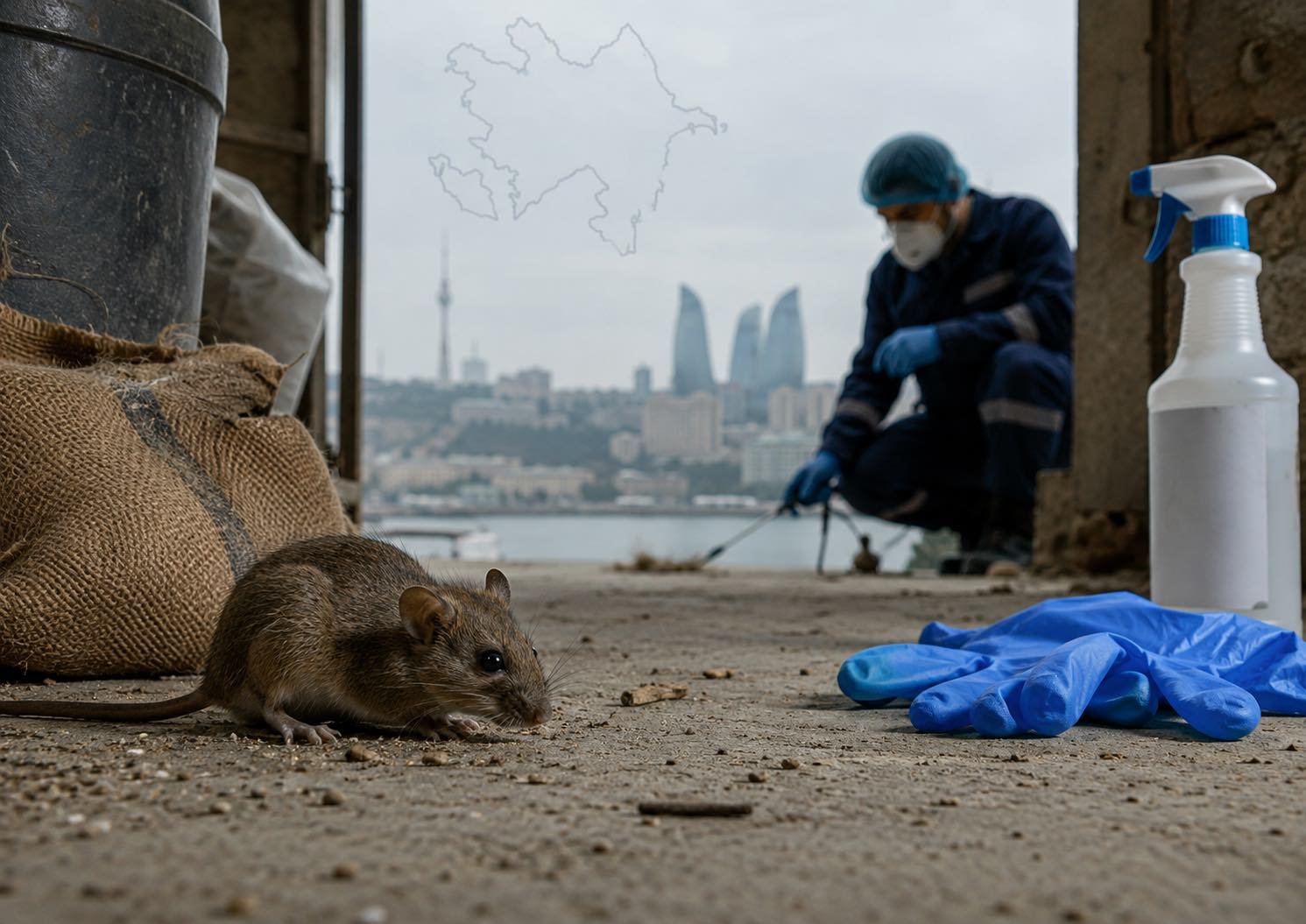
Still, the issue should not be dismissed entirely. The realistic risk for Azerbaijan would not be a sudden mass outbreak imported from Europe, but isolated cases linked to travel or exposure to rodents in contaminated spaces. Storage areas, basements, old buildings, farms, warehouses and summer houses can become risky if rodents are present and dry contaminated dust is disturbed.
Doctors usually advise avoiding direct contact with rodents and not sweeping dry dust in places where mice or rats may have been active. Such areas should first be ventilated and cleaned with disinfectant while using gloves and a mask.
For now, the practical conclusion is simple: Azerbaijan does not face a visible hantavirus emergency, but the disease is serious enough to justify basic precautions. The biggest danger is not panic – it is ignoring rodent control and poor sanitation in places where people live, work or store food.
AZE.US