AZE.US
For many young people in Azerbaijan, owning a home is no longer a realistic short-term goal. As apartment prices continue to rise, the time needed to save enough money for a purchase is stretching dramatically, turning homeownership into a luxury rather than a normal life milestone.
The pressure is being felt on both sides of the market. Buying a home has become more difficult, but renting is not getting any easier either. As a result, many young families are left with a narrow set of options: remain in rental housing, take on a mortgage, or move farther from the city center to more affordable areas such as Masazir and Khirdalan.
That shift is changing how people think about housing. Many now see a mortgage as the lesser burden. The monthly payment may be close to what they would already spend on rent, but at least the property eventually becomes theirs. Rent, by contrast, is increasingly viewed as money that disappears without building any long-term security.
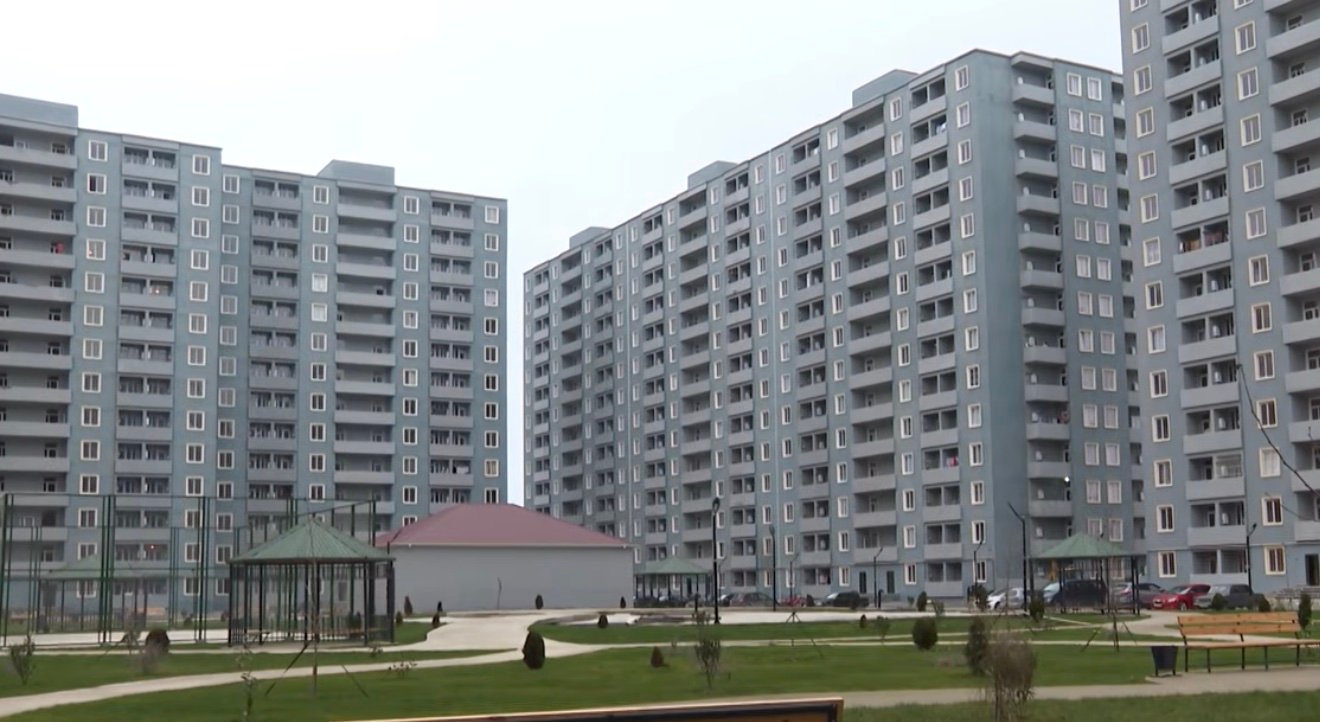
Demand in the rental market is especially strong in newly built residential complexes. These buildings tend to offer better infrastructure, newer utilities, and easier access to everyday services. But they are also the segment where prices are climbing fastest. Investors who buy apartments in new buildings at elevated prices then pass those costs on to tenants through higher rents.
Analysts say the market is also losing its lower-cost housing stock. Older apartment blocks are being demolished, and the buildings replacing them enter the market at far higher price levels. That is not just pushing prices upward in isolated projects. It is raising the overall market floor.
The example often cited is Narimanov district of Baku. A one-room apartment in an older building there may still be found for around 100,000 manats, but once that same site is redeveloped, prices in the new building can start at 200,000 manats. In practical terms, that means access to the same neighborhood now comes at double the price.
Rental costs are also rising sharply across Baku. The highest asking prices are reported in districts such as Nasimi and Narimanov, where demand remains strong. Even in relatively cheaper districts, the market is no longer truly affordable for many young residents.
The deeper problem is the widening gap between income and housing prices. According to experts cited in the report, a person earning around 1,000 manats a month might previously have needed about 10 years to save enough for a home. Now that estimate has stretched to 20 years or more.
The broader trend points in the same direction. Apartment sale prices have reportedly been rising by around 10% to 15% a year, while rents are increasing by roughly 6% to 10%. That means housing values are outpacing the rental market as well, lengthening the payback period for investors and making ownership even harder for ordinary buyers.
For young people, the consequences are immediate. More are staying in rentals not because they prefer flexibility, but because buying a home has moved too far beyond their financial reach. And as the market continues shifting toward more expensive new developments, that affordability problem is likely to deepen rather than ease.