AZE.US
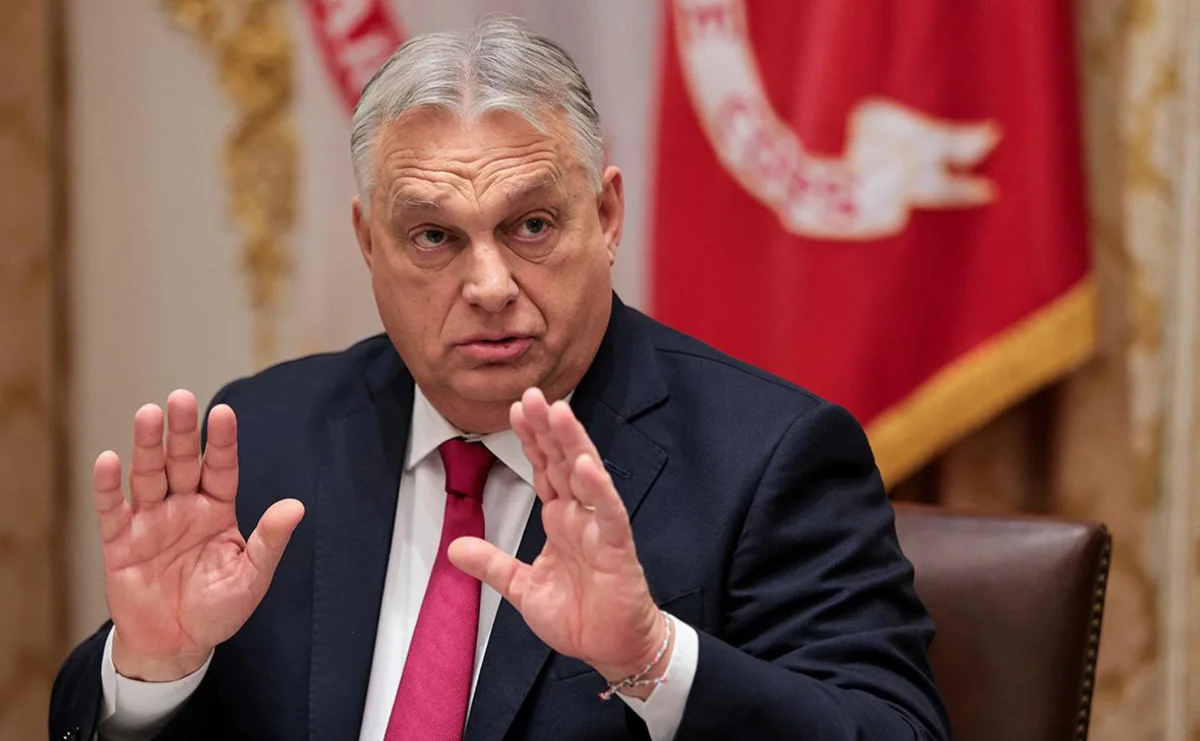
Hungary has voted out Viktor Orban after 16 years in power, handing a major victory to opposition leader Peter Magyar and his Tisza party in one of Europe’s biggest political upsets in years.
Reuters, AP and Al Jazeera all reported that Orban conceded defeat after a record turnout election that ended his long run as the European Union’s most defiant nationalist leader.
Preliminary results showed Tisza winning a two-thirds parliamentary majority, a result strong enough to let Magyar rewrite key parts of the system Orban built over more than a decade.
AP reported that Tisza won 94 of 106 districts and about 53% of the vote, while Al Jazeera said the result would give the party the power to amend the constitution.
The scale of the turnout underlined how much was at stake. Reuters and AP described participation as the highest in post-Communist Hungary, with roughly 80% of eligible voters casting ballots. The result was widely seen not just as a change of government, but as a referendum on Orban’s model of power.
Magyar campaigned on corruption, public services and Hungary’s deteriorating relationship with the EU, presenting himself as a center-right corrective rather than a liberal rupture. Reuters said his victory could reopen the path to frozen EU funds and ease years of confrontation between Budapest and Brussels.
For Europe, the result matters far beyond Hungary. Orban had become one of the best-known faces of nationalist populism, building close ties with Russia while clashing repeatedly with Brussels over democratic standards, media freedom and aid to Ukraine. Reuters and AP both framed his defeat as a blow to the wider hard-right camp that had treated him as a model.
That does not mean Hungary’s course will change overnight. Orban’s political network still runs deep across the state, media and business.
But the election has clearly broken the image of his invincibility. After years of treating Hungary as his personal political fortress, Orban now faces the reality of opposition.
For now, the central takeaway is simple: Hungary did not just vote against a government. It voted to end an era. And in doing so, it may have opened the door to a broader shift inside Europe itself.