AZE.US
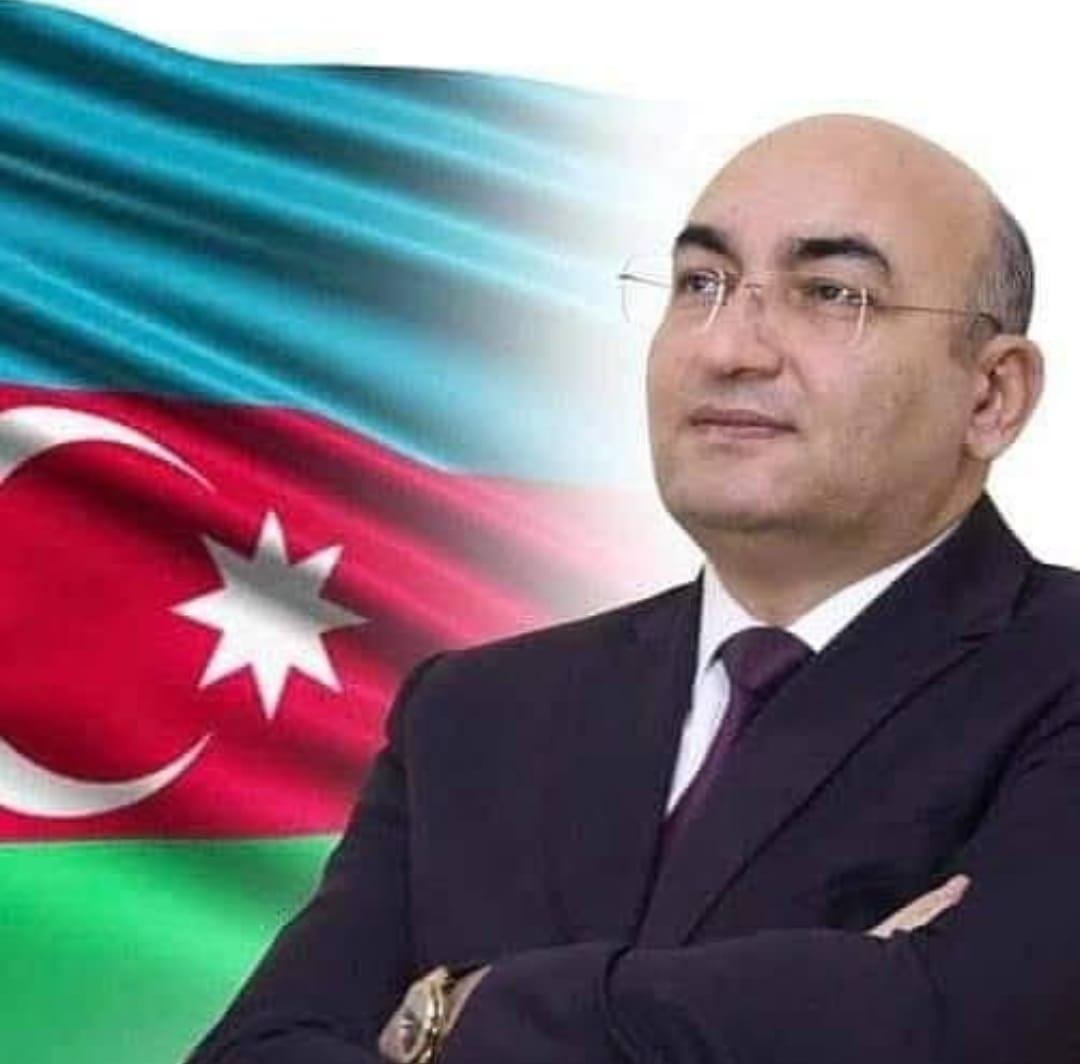
Igbal Agazade, chairman of the Umid Party, has published a lengthy Facebook post setting out his vision for political reforms in Azerbaijan in the post-war period, arguing that the country has entered a new phase in which military victory alone is no longer enough and deeper institutional change is needed.
In the post, Agazade says Azerbaijan moved into a new era after the Second Karabakh War and the anti-terror operation, but warns that healing the wounds of war, rebuilding Karabakh and resettling displaced people will require major time and resources. He argues that the burden should not rest on the state alone and says the political dividends of victory will gradually fade as time passes. According to him, that makes internal reform increasingly urgent.
Agazade says public dissatisfaction today is driven more by economic and social conditions, but insists reform should begin with politics. One of his main proposals is a referendum and a shift toward a model of governance with greater public participation.
He calls for municipalities to receive special constitutional status, for mayors in large cities to be elected directly by the public and for local councils to be formed with real authority over parts of the budget and administration now controlled by executive bodies.
At the same time, he argues that Azerbaijan should not move toward a provincial or economic-zone model of governance. In his view, that could create future risks by giving separatist tendencies a more convenient legal or political framework. Instead, he says, the existing administrative structure should remain in place, at least until full resettlement in Karabakh is complete.
Agazade also calls for parliamentary elections to be held on a proportional basis, for the role of political parties to be strengthened and for parliament’s powers to be expanded. He proposes abolishing the office of prime minister and transferring those powers to the vice-presidential institution. He also argues for a more centralized and streamlined state structure with fewer fragmented agencies, committees and public legal entities.
A major part of the post is devoted to judicial reform. Agazade says Azerbaijan cannot ensure development, accountability or fairness without independent courts. He proposes ending what he describes as judicial dependence on the prosecution system, removing restrictions on the legal profession and allowing law graduates broader freedom to work as lawyers. At the same time, he says judges should receive stronger guarantees but also face greater responsibility when their rulings are repeatedly overturned by higher courts.
He also argues that political parties should become more influential institutions in public life rather than remaining formal structures with limited impact. To achieve that, he calls for continued political dialogue, stronger trust between the state and parties, broader party participation in the formation of election commissions and expanded support for local and regional party offices.
On media and civil society, Agazade says the state should gradually step back from patronage of non-state media outlets. He argues that NGOs and public-interest projects should be financed less through direct state funding and more through foundations or programs supported by large companies.
At the same time, he supports oversight of foreign funding, saying both donors and recipients should present justified programs with clear purposes to the relevant authorities.
In foreign policy, Agazade says Azerbaijan’s diplomacy has generally been systematic and effective in protecting national interests, but describes relations with European institutions as one of the weaker areas.
He argues that Baku should work to restore damaged ties with Europe, use economic relations more effectively in the political sphere and strengthen Azerbaijan’s position in dealings with European organizations.
One of the most sensitive proposals in the post concerns amnesty. Agazade says an amnesty act should be declared for prisoners whose detention has raised doubts or controversy internationally, provided they did not attempt to undermine the constitutional order or the foundations of the state.
At the end of the post, Agazade says the text draws on the program of the Umid Party, suggesting it should be read not simply as a personal opinion piece but as a broader political statement about what he sees as Azerbaijan’s next stage after military victory.
AZE.US