AZE.US
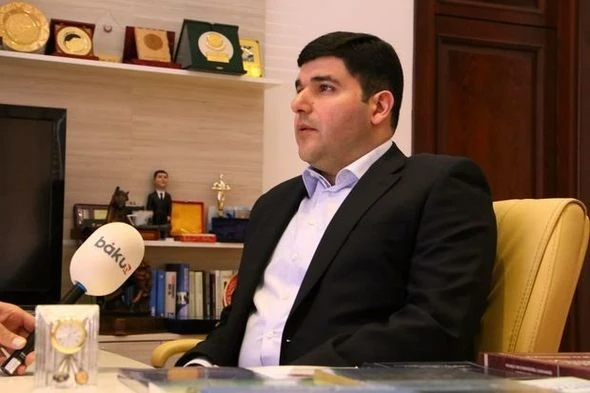
Baku-based political analyst Farhad Mammadov said Armenian Prime Minister Nikol Pashinyan’s visit to Moscow was not a routine diplomatic stop, but part of a broader Russian effort to send political signals before Armenia enters a more sensitive electoral period.
Speaking on the YouTube channel Novosti Kavkaza, Mammadov argued that the timing of the meeting reflected Moscow’s desire to define its position before Armenia’s upcoming contacts with European institutions.
According to Mammadov, Russia wanted to meet Pashinyan before the expected political events in Armenia tied to its European track, including high-level gatherings linked to the European Union. In his reading, the Kremlin used the visit to remind Yerevan that its room for maneuver is limited and that Moscow still expects to shape the terms of Armenia’s foreign policy choices.
Mammadov said the main message from Moscow was straightforward: Armenia cannot indefinitely deepen ties with the European Union while remaining fully aligned with the Eurasian Economic Union. He said this contradiction had existed for years, but Russia is now voicing it more openly and with less patience than before.
He also pointed to the reappearance of the Karabakh issue in political rhetoric, describing it as a sign that the subject is being reintroduced into Armenia’s domestic political struggle.
In his view, the issue is being used less as a matter of policy than as a campaign instrument in the run-up to elections. That, he warned, could complicate the peace agenda between Armenia and Azerbaijan if pro-Russian forces gain more influence after the vote.
Mammadov further linked the discussion to wider regional instability caused by the war involving Iran. He said the fallout has already affected trade routes, logistics and regional communications, while also creating new openings for Russia to preserve leverage in the South Caucasus.
In that environment, he argued, Moscow is trying to keep control over strategic transport and political mechanisms that may shape the region’s post-crisis order.