AZE.US
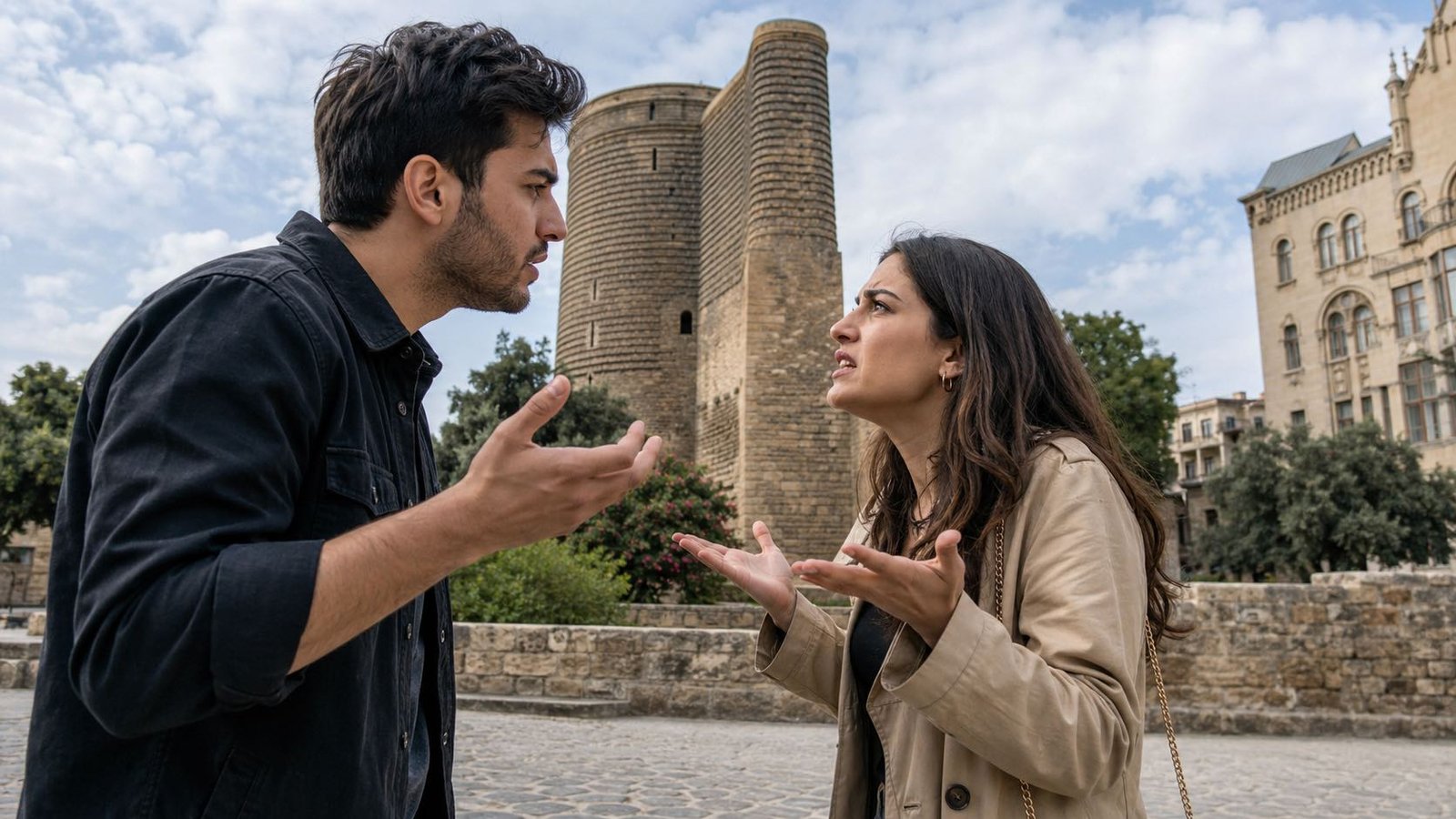
Azerbaijan’s rising divorce numbers are no longer just a matter of family statistics. They point to a deeper change in how marriage itself is understood.
In January and February 2026, the country registered 5,250 marriages and 3,376 divorces, according to figures cited by local media. The gap between new marriages and divorces has narrowed sharply enough to raise a broader question: why are more families breaking apart?
Sociologist Yusif Nabiyev says one reason is that the family no longer plays the same economic role it once did.
In earlier generations, marriage often meant more than a personal relationship. It was also an economic unit. A new family member could mean more labor, shared household responsibilities and stronger survival capacity for the wider family.
That logic has changed. Today, a larger family can just as easily mean more expenses, more pressure and more financial strain. In many cases, the family is no longer seen as an economic support system. It can become an additional burden.
Another factor is cultural change. Individual choice, personal freedom, emotional stability and psychological well-being now carry more weight, especially among younger people. Many are less willing to remain in troubled marriages simply because relatives, tradition or public opinion expect them to stay.
For older generations, marriage was often something to preserve at almost any cost. For many younger Azerbaijanis, it is increasingly seen as a partnership that should provide respect, safety and emotional balance. When those elements are missing, divorce is no longer viewed as unthinkable.
The State Committee for Family, Women and Children’s Affairs has also pointed to weakening emotional resilience, poor conflict-resolution skills, lower social and moral responsibility, the influence of social media and the inability of couples to manage shared time and family tensions properly.
The result is a collision between two family models.
The old model was held together by economic necessity, social pressure and patience. The emerging model demands communication, mutual respect, personal space and emotional security. But the transition is painful: the old structure is weakening, while the new one is not yet stable.
That is why the rise in divorces cannot be explained only by arguments, money problems or interference from relatives. It reflects a society changing faster than the institution of family can adapt.
Azerbaijan is not simply seeing more marriages fail. It is watching the old family contract lose its force.
AZE.US