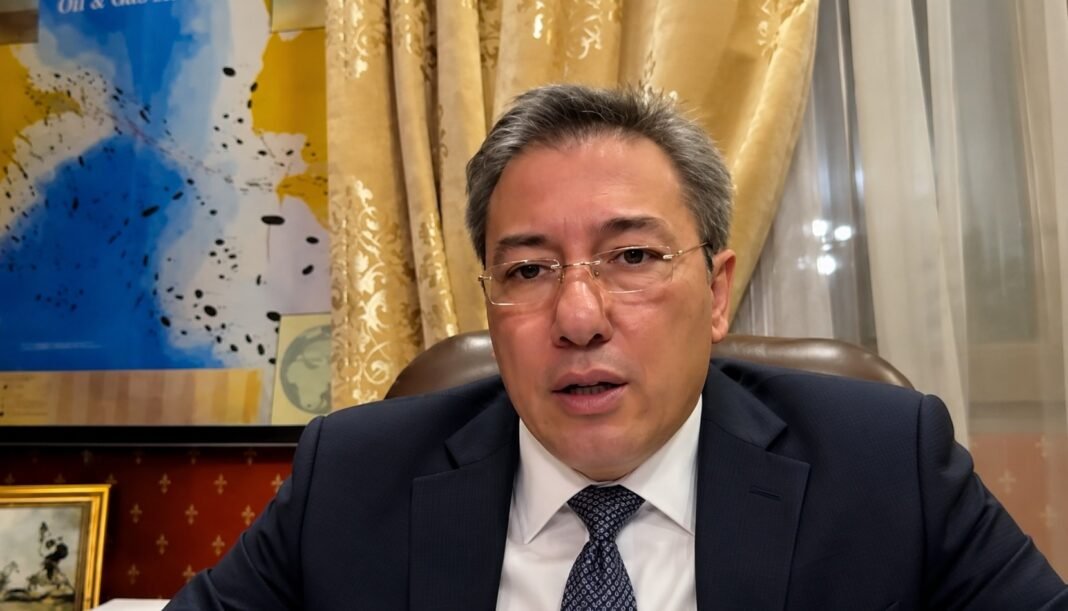
Armenian Prime Minister Nikol Pashinyan is trying to reshape the country’s domestic political balance to clear obstacles to constitutional reform and a final peace agreement with Azerbaijan, while the European Union is giving him broad room to maneuver for its own geopolitical reasons, Azerbaijani political analyst Ilgar Velizade said.
Velizade made the assessment in a video interview with Daily Europe Online, arguing that developments in Armenia should be viewed not only as a domestic political struggle but also through Yerevan’s relations with Brussels, Moscow and Washington.
Pashinyan Seeks a Clearer Path to Constitutional Reform
Velizade said Pashinyan has steadily increased pressure on political opponents as he prepares to pursue strategic goals that include constitutional changes. He pointed to the case of businessman and opposition figure Samvel Karapetyan and the government’s broader confrontation with forces opposed to Yerevan’s current course.
In the analyst’s view, weakening the opposition before constitutional reform moves to the center of Armenia’s political agenda is important for Pashinyan. The government could frame the proposed changes not only as a condition for completing normalization with Azerbaijan but also as part of Armenia’s wider European trajectory, he said.
That framing could leave opponents of the constitutional changes portrayed as standing against both the peace process and European integration, Velizade said.
Why Brussels Is Giving Yerevan Leeway
Velizade said European institutions have applied different standards to political developments in Armenia and Georgia. Georgian authorities regularly face public criticism from European bodies, he said, while Pashinyan’s actions against opponents have not drawn a comparable response.
The analyst said he had no sympathy for Armenian opposition leaders who take a hard line against Azerbaijan. Still, he argued, that does not eliminate the tension between the European Union’s democratic rhetoric and its practical policy choices.
He attributed the difference to Europe’s strategic interests. Brussels wants stronger ties with Central Asia, expanded transport routes and greater access to energy and critical raw materials. Armenia therefore has added value, he said, and Pashinyan is viewed as a partner who can help advance those plans.
Velizade also argued that the center of gravity in Europe’s South Caucasus policy is gradually shifting from Tbilisi toward Yerevan. Pashinyan separately told Euronews this week that peace and regional connectivity could give the South Caucasus a larger global role and said Armenia could formally seek European Union membership in 2027 or 2028.
Baku’s Priority Is a Final Peace Agreement
For Azerbaijan, Velizade said, the central issues are changes to provisions in Armenia’s Constitution that Baku says create legal objections and the signing of a final peace agreement afterward.
How Armenia’s government builds domestic support for those changes is primarily an internal Armenian matter, he said. Successful reform, however, could remove one of the principal remaining obstacles to full normalization between the two countries.
Europe Faces a Broader Crisis of Confidence
Velizade also addressed wider strains inside the European Union. He said European political elites face growing public dissatisfaction over the economy, energy and security and have not provided convincing answers.
Repeated appeals to external threats, including Russia and China, no longer fully explain governments’ domestic difficulties to voters, he said. He also noted a contradiction in Europe’s relationship with Beijing: European governments continue to expand trade and pursue major commercial agreements even as political rhetoric toward China remains hard.
Drawing a parallel with the protest movements of the late 1960s, Velizade said the current wave of dissatisfaction also reflects demand for political renewal, though it lacks a unified program or widely recognized leadership.
U.S. Political Changes Could Complicate the Process
The interview also covered the U.S. midterm elections, in which Democrats won control of both chambers of Congress. Velizade said the Republican defeat creates a more difficult political environment for President Donald Trump and is likely to intensify the domestic fight for influence.
Washington may devote more attention to domestic issues in the near term, potentially reducing the intensity of some foreign-policy activity, he said. But Velizade did not expect the United States to abandon what it has already achieved in the South Caucasus.
He cited the Trump Route for International Peace and Prosperity, or TRIPP, strategic partnership arrangements involving Azerbaijan and Armenia, and Washington’s role in the Baku-Yerevan normalization process. Those represent a U.S. strategic asset whose value extends beyond control of Congress or a future change in the White House, he said.
Additional complications remain possible. Stronger Democratic influence could give the Armenian lobby in Congress more room to challenge the administration on issues involving Azerbaijan, Velizade said.
His broader conclusion was that progress toward an Armenia-Azerbaijan settlement depends not only on decisions in Baku and Yerevan but also on European interests, U.S. domestic politics and competition over South Caucasus transport routes.
Source: Vesti Baku. Additional context: Office of the Prime Minister of Armenia.