AZE.US
Armenian Prime Minister Nikol Pashinyan needs to change the country’s constitution not only because of a future peace agreement with Azerbaijan, but also because he wants to reshape Armenia’s entire political system, Azerbaijani political analyst Ilgar Velizade said.
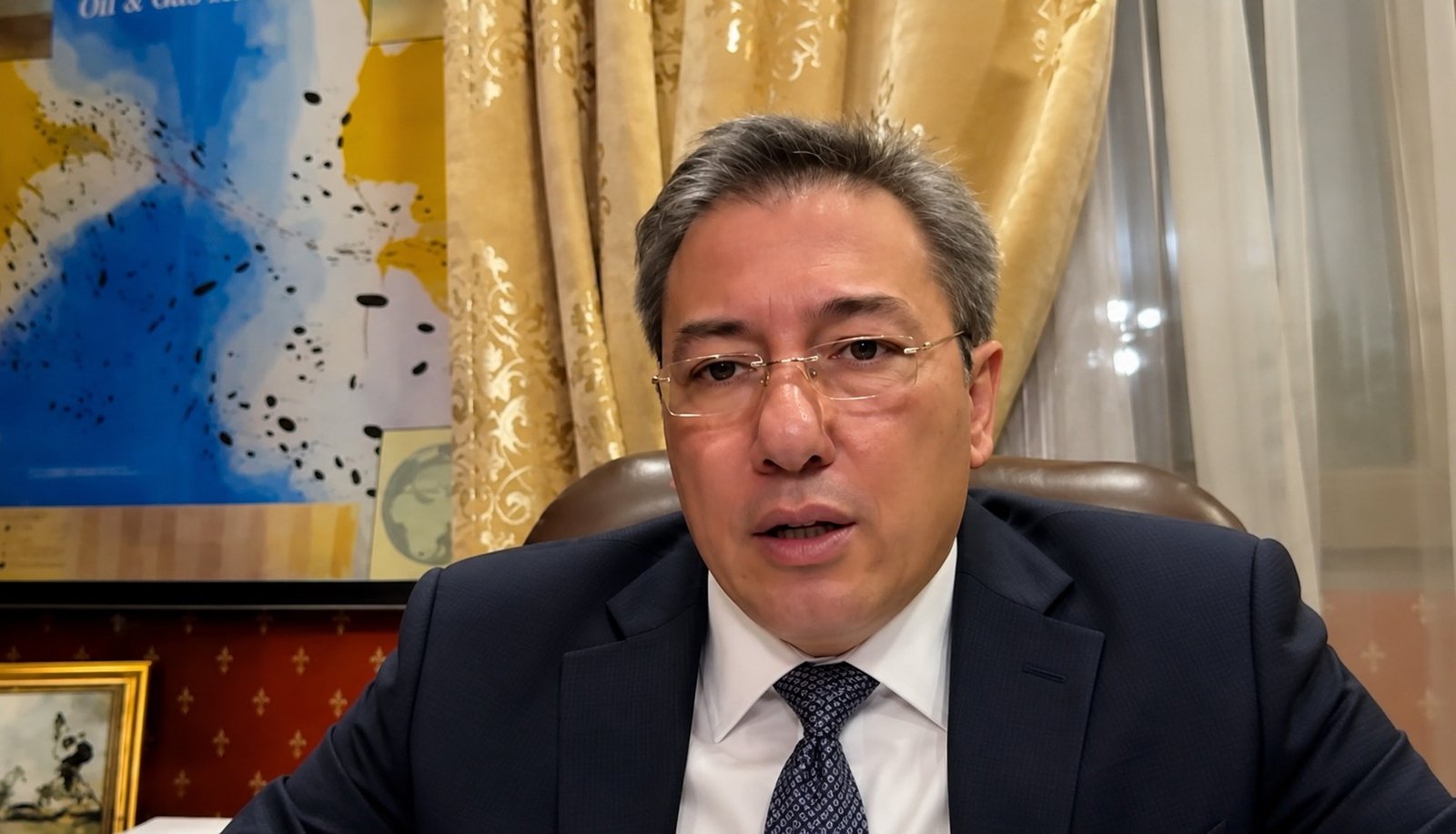
Velizade, head of the South Caucasus Political Scientists Club, made the remarks in an interview with the YouTube channel Echo Baku.
According to him, the constitutional issue in Armenia should not be viewed only through the lens of the peace treaty between Baku and Yerevan.
Velizade said Pashinyan wants to change the constitution because the current political and constitutional framework allows his opponents to continue accusing him of “surrendering Karabakh” and making concessions to Azerbaijan and Turkey.
“He needs to change the constitution not only because he wants to change the preamble. He wants to change the entire system of power in Armenia,” Velizade said.
The analyst argued that a constitutional change would weaken the political legitimacy of opposition forces that base much of their platform on the Karabakh issue and resistance to normalization with Azerbaijan and Turkey.
Pashinyan, he said, is trying to create what he himself has described as a “real Armenia,” a new political reality no longer built around territorial claims and the legacy of the conflict.
“Pashinyan wants to reformat Armenian politics. This is already quite clear. And he can do that only through changing the constitution,” Velizade said.
The issue is also central to Azerbaijan’s position. Baku has repeatedly said that Armenia must remove constitutional language and references that Azerbaijan considers territorial claims before a final peace treaty can be signed.
Velizade said the peace process is continuing even though a final agreement has not yet been signed.
He pointed to the recent meeting in Dilijan between Hikmet Hajiyev, assistant to the president of Azerbaijan, and Armen Grigoryan, secretary of Armenia’s Security Council, as a sign that the sides are preserving dialogue and developing new channels of contact.
According to Velizade, the meeting shows that Baku and Yerevan are not limiting talks to public diplomacy, border commissions or technical discussions on transport links. A new format is now emerging between officials who are directly close to the leaders of both countries.
“This shows that the format will develop, the dialogue will continue, and it will take different forms,” he said.
Velizade added that such contacts could help fill the political part of the process while the formal peace treaty remains delayed.
At the same time, he said the final signing of a peace agreement is still linked to Armenia’s constitutional reform.
The analyst also addressed the issue of regional transport routes, saying that the road through Armenian territory remains a key element of the entire normalization agenda.
According to him, without this route, there can be no full opening of regional communications.
“The road is the key to unblocking communications. If there is no road, there will be no unblocking of communications,” Velizade said.
He added that Turkey is also interested not simply in opening its border with Armenia, but in creating a through connection via Armenia to Azerbaijan and further to the Caspian Sea.
Velizade said it is still difficult to make firm predictions about the timing of these arrangements because the contents of signed documents and concrete schedules have not been made public.
Still, he said the political logic of the process remains clear: Baku and Yerevan are continuing to move toward peace, but the final agreement will depend on whether Armenia can resolve the constitutional issue and the question of transport links.
AZE.US