AZE.US
Russia is gradually losing its influence in the South Caucasus, while Azerbaijan will continue pushing the current Kremlin leadership out of regional affairs, Azerbaijani historian Rizvan Huseynov said.
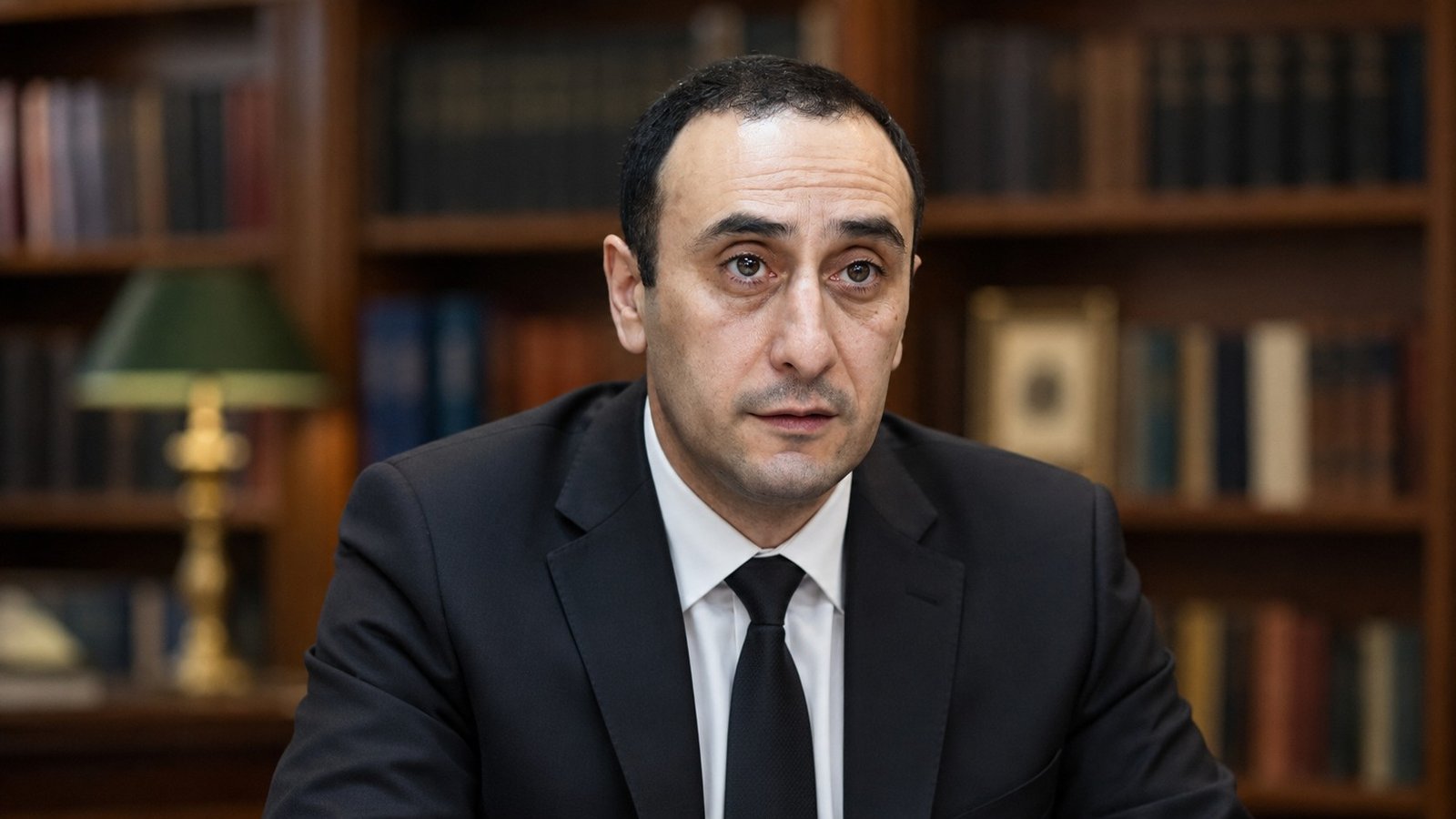
Huseynov, director of the Center for the History of the Caucasus, made the remarks in an interview with the Echo Baku YouTube channel, AZE.US reports.
He argued that recent anti-Azerbaijani statements by Russian commentators should not be viewed solely as the private initiatives of isolated individuals.
“In Russia, not even a kettle whistles without permission,” Huseynov said. “What matters is that this was sanctioned by high-level Kremlin circles.”
He was referring to political analyst Alexei Chadayev and journalists Semyon Uralov and Ivan Knyazev, whom Azerbaijani prosecutors have accused of calling for terrorism, the overthrow of the country’s constitutional order and violations of its territorial integrity.
After being placed on Azerbaijan’s wanted list, Chadayev resigned as an adviser to Russia’s transport minister.
Russian Foreign Ministry spokeswoman Maria Zakharova subsequently said the statements made by the three individuals did not reflect Moscow’s official position toward Azerbaijan.
Huseynov, however, said that response did not answer the central question: Why did figures connected to Russia’s state and media establishment believe they could make such statements in the first place?
What Triggered Moscow’s Anger
Huseynov identified several developments that he believes contributed to the latest anti-Azerbaijani rhetoric.
The first was a conference held in Shusha with representatives of ethnic communities from Russia, including Circassians, Chechens, Tatars and Bashkirs.
Participants called on the Russian government to stop using members of ethnic minorities in the war against Ukraine and demanded greater protection for their languages, cultures, education and historical memory.
Huseynov argued that Moscow was particularly angered by the fact that those demands were voiced in Azerbaijan, which is becoming an independent platform for discussing the rights and grievances of Russia’s ethnic communities.
He identified Azerbaijani Foreign Minister Jeyhun Bayramov’s visit to Kyiv and the continued development of Azerbaijani-Ukrainian relations as another source of tension.
During the visit, Bayramov viewed an exhibition of Ukrainian-made unmanned aerial vehicles.
Huseynov also pointed to Ukrainian President Viktor Yushchenko’s recent visit to Baku and meeting with Azerbaijani President Ilham Aliyev.
“Taken together, we can see that Baku will continue pushing the current Kremlin leadership out,” Huseynov said. “The issue is not Russia itself, but the people who are making decisions there today.”
He said Azerbaijan’s energy policy and its readiness to expand its presence in the European market as Russia’s role declines have created another source of friction with Moscow.
A Transit Route Taking Shape Without Russia
Huseynov separately addressed the planned transport links between mainland Azerbaijan and Nakhchivan through Armenian territory.
In his assessment, Moscow is particularly troubled by the prospect of the TRIPP project and other regional transport connections being developed with U.S. support and without Russia playing the leading role.
Armenian Prime Minister Nikol Pashinyan previously confirmed that Azerbaijani specialists had visited Armenia twice. He said the discussions covered railways, power transmission lines, pipelines and other infrastructure projects.
Huseynov described the developments as evidence of a broader failure of Russian policy in the South Caucasus.
“Through the actions of these people, Russia is losing not only Azerbaijan but the South Caucasus as a whole,” he said.
Moscow Is Retreating Beyond the Samur
Placing the current transformation in a historical context, Huseynov said the South Caucasus has traditionally existed between three major centers of power: Russia to the north, Iran to the south and Turkey to the west.
Whenever one of those powers weakened, he said, states in the region gained an opportunity to strengthen their own sovereignty.
“Thirty-five years have passed since the collapse of the Soviet Union,” Huseynov said. “Russia failed to replace the Soviet Union and is gradually retreating. If its influence once extended to the Araz River, its interests are now being pushed beyond the Samur.”
Iran, he argued, is incapable of filling the resulting geopolitical space, while Turkey is also focused on the Eastern Mediterranean, the Persian Gulf and the wider Middle East.
That situation, Huseynov said, offers Azerbaijan and other South Caucasus states a rare opportunity to strengthen both their national sovereignty and the strategic independence of the region.
The War in Ukraine Was the Turning Point
Huseynov said Moscow still expected to preserve its principal instruments of influence following the 44-day war between Azerbaijan and Armenia in 2020.
Those instruments included the presence of Russian peacekeepers in Karabakh, the region’s Armenian population and Russia’s anticipated role in controlling transport links through Armenia.
Russia’s invasion of Ukraine, however, fundamentally changed the balance of power.
Moscow became trapped in a prolonged war and was forced to concentrate its political and military resources on Ukraine. Azerbaijan, like other regional states, moved to take advantage of the resulting decline in Russian influence.
Azerbaijan restored full control over Karabakh following its September 2023 operation. Russian peacekeepers subsequently withdrew from Azerbaijani territory ahead of schedule.
According to Huseynov, that was the moment when it became clear that the previous model of Russian involvement in the region had collapsed.
“The process will be long,” he said. “I do not know how many years it will take, but there will be no turning back.”
Normalization Is Possible - But Not Now
Huseynov said relations between Baku and Moscow could eventually be normalized, but argued that this would require a fundamental change in Russia’s political configuration.
He linked such a scenario to the end of the war in Ukraine and a subsequent transfer of power in Moscow.
Any new Russian leadership, he said, would have to accept the South Caucasus as it now exists: Azerbaijan no longer accepts external control, Russian peacekeepers have left, and the region’s major energy and transportation projects are increasingly being developed without Moscow.
“If reasonable people come to power, accept the new realities of our region and are prepared to work with them, then a sustainable normalization of Azerbaijani-Russian relations may become possible,” Huseynov said. “But not now.”
AZE.US