By AZE.US Editorial Team
The morning begins with someone else’s breakfast. On the way to work, we learn who bought an apartment, who went on vacation, who broke up and who is happy again.
By evening, we can retell the lives of a dozen people we have never met. Yet when asked how our own day went, the answer is often harder to find.
Social media has made other people’s lives available at any moment. In Azerbaijan, however, this story has another dimension. We are accustomed not only to watching others, but also to imagining how others are watching us.
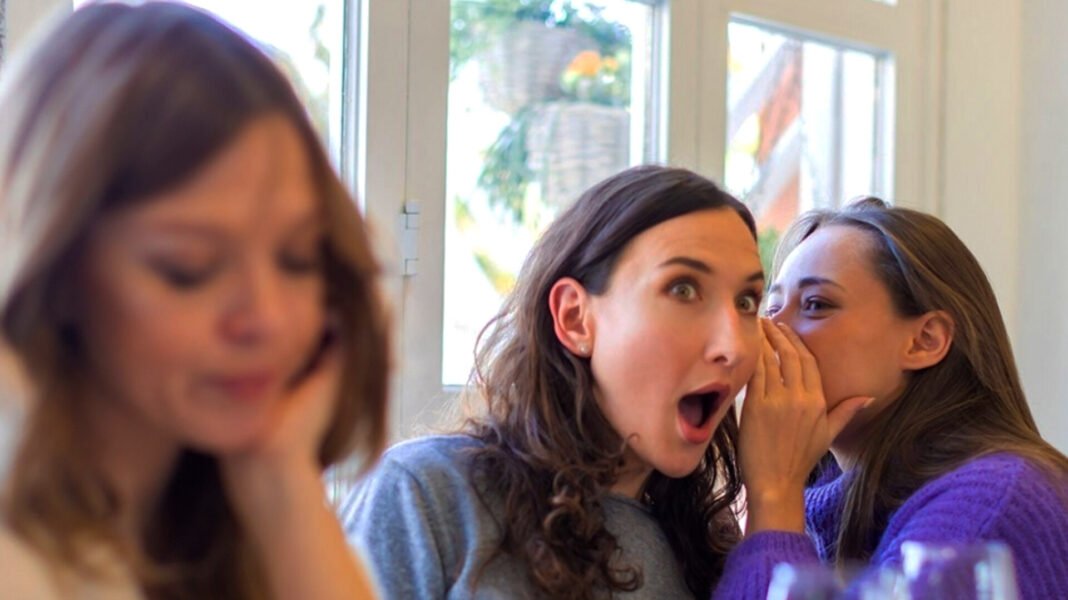
The familiar childhood question, “Camaat nə deyər?” or “What will people say?” now echoes even when no one else is present.
This creates two forms of unfreedom.
In one, we measure our decisions against the expectations of those around us. In the other, we spend our time and energy following other people’s achievements, relationships and purchases.
The first keeps us from choosing our own path. The second makes us feel that we are constantly falling behind on that path.
What appears on a screen is not a complete life, but a carefully selected collection of moments. A person shows a trip, but not the expenses that cause anxiety. They show a child’s smile, but not the sleepless night. They show a beautiful dinner, but not the difficult conversation that followed.
We compare those edited scenes with our ordinary day, including its fatigue, bills and setbacks. The comparison is unfair from the start.
Psychologist Ayten Alekberova, whose views were previously cited by Vestibaku, highlighted an important point: when people fear society’s reaction, they are often primarily anxious about how they themselves will appear in the eyes of others.
Behind the phrase “What will people say?” lies an even more personal question: “What will they think of me?”
Social media intensifies that anxiety. In the past, relatives and neighbors might learn about a decision. Today, it can feel as though every choice is being presented to a much larger audience, even when no one is actually demanding an explanation.
We go to a gathering and think about how it will look in a photograph. We choose a vacation destination while already imagining other people’s reactions.
Sometimes we catch ourselves wanting not so much the experience as convincing proof that it happened.
This does not mean the opinions of people close to us are unimportant. Their experience can protect us from mistakes, and consideration for others helps people live together. But advice and fear of judgment are different things. Advice can be considered, accepted or rejected. Fear remains even when no one has said anything.
The clearest cost of this way of living is time. We learn about a friend’s trip from a post but do not call that friend for months. We follow strangers’ family dramas while answering our own loved ones at the dinner table without looking up from the phone. Observation gradually replaces participation.
Another person’s life can inspire us. Another person’s opinion can sometimes reveal what we have failed to notice. But neither should make our decisions for us. We can spend hours watching someone change careers, study or find the courage to begin again. That will not have our difficult conversation for us, and it will not make our own choice easier.
After another evening spent scrolling, it may be worth asking a simple question: What happened to me today? Not what did I see, judge or discuss, but what did I do, feel and give my time to?
If the answer is difficult, perhaps we have spent too long present in other people’s lives and too little time present in our own.
This editorial was adapted from the original Vestibaku commentary.