AZE.US
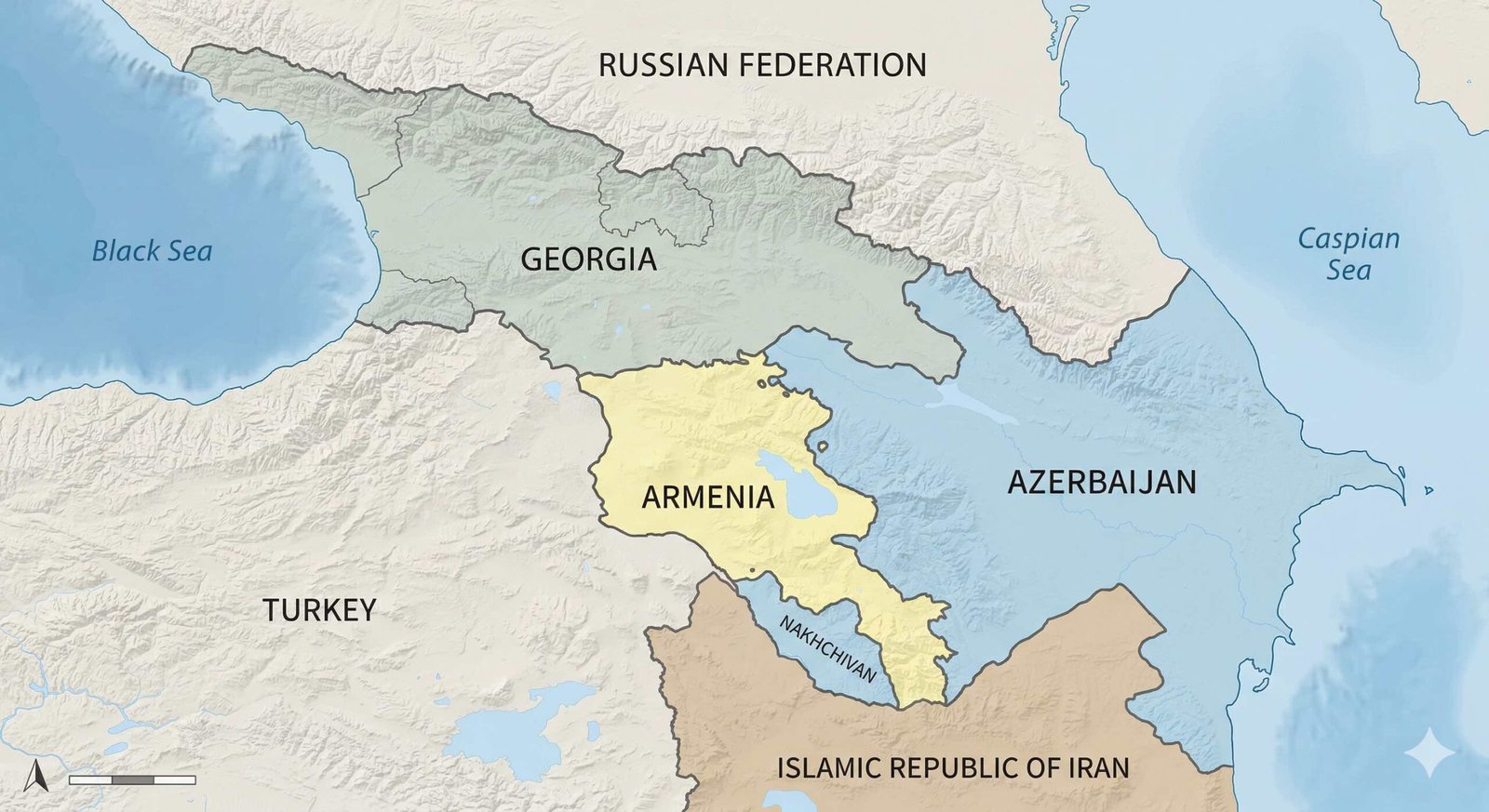
The South Caucasus is entering a period of more independent politics, political analyst Rizvan Huseynov said in an interview on the Novosti Kavkaza YouTube channel, arguing that recent high-level contacts point to a broader regional realignment.
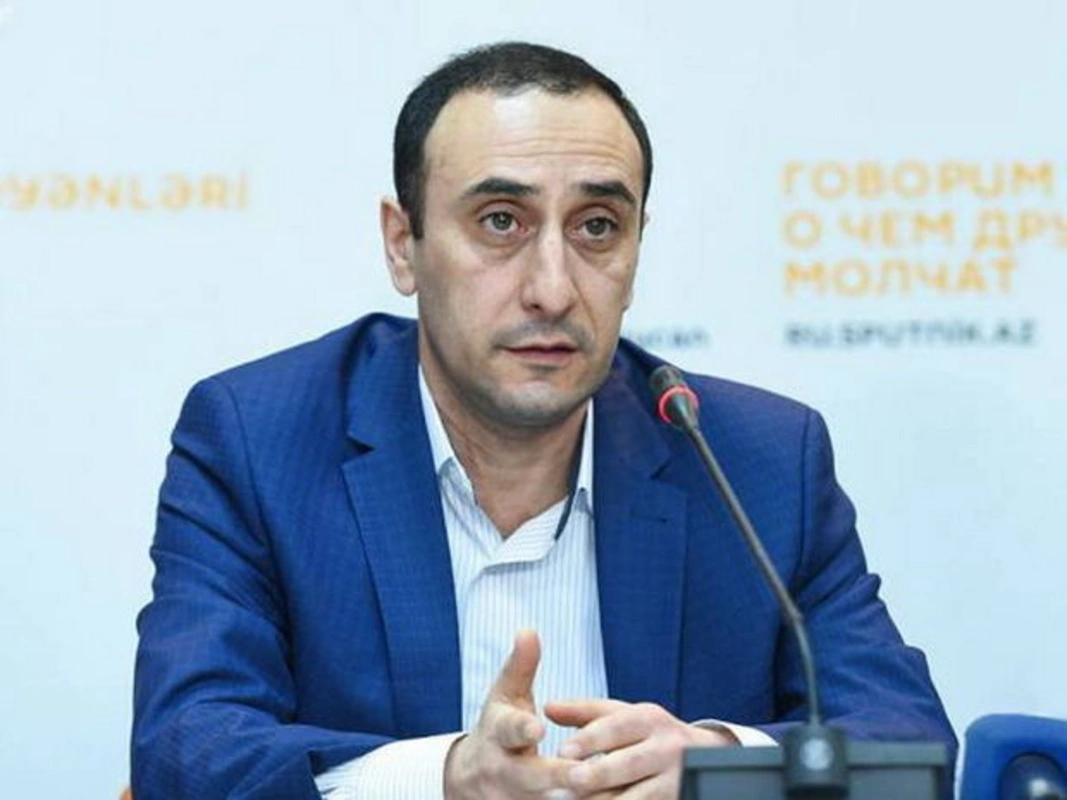
Huseynov said Azerbaijani President Ilham Aliyev’s visit to Georgia should be viewed as more than a routine display of strategic partnership, transport cooperation and energy ties. He pointed in particular to Aliyev’s meeting with Bidzina Ivanishvili, describing it as especially significant at a moment when both the northern and southern flanks of the region are under pressure.
In his view, Tbilisi may be trying to shape a more sovereign regional posture, making direct coordination between Baku and Tbilisi increasingly important.
He also linked the visit to a broader sequence of events involving Georgia’s contacts with Washington and growing regional diplomatic activity, including the visit of Kazakhstan’s foreign minister. Huseynov said these developments could signal attempts to build a more durable political space in the region rather than reduce South Caucasus states to transit functions alone.
Commenting on Armenian Prime Minister Nikol Pashinyan’s recent trip to Moscow, Huseynov said the visit appeared to serve as a political and psychological test.
According to him, the Kremlin wanted to assess how far Yerevan could still be pressured, but the outcome instead highlighted Armenia’s increased room for independent decision-making.
He argued that Pashinyan’s conduct showed that Armenia’s security calculations are shifting and that Azerbaijan has become a central factor in that equation.
Huseynov further said Russia is increasingly constrained by internal power struggles and is no longer operating in the region with the same level of confidence or control.
He argued that both Russia and Iran are now preoccupied with their own crises, creating more room for the countries of the South Caucasus to pursue their own agenda.
In that context, he said, Turkey has already built a different model of engagement with the region – one based more on trade, economic links and relatively equal-state relations than on hierarchical control.
Taken together, Huseynov said, these shifts suggest the South Caucasus is moving into a phase where regional actors may have greater freedom to shape their own political future.