AZE.US
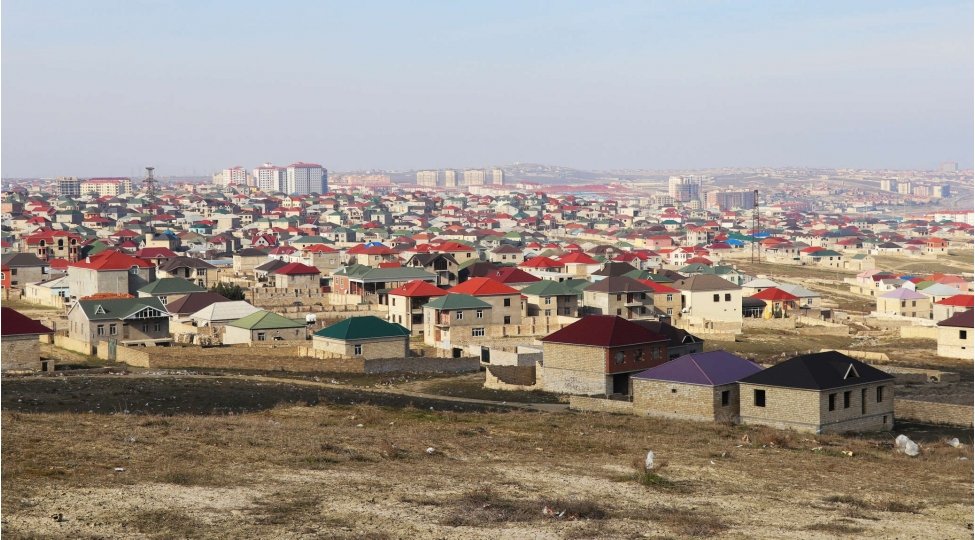
A warning has been issued in Baku over a category of unauthorized homes that are unlikely to ever receive legal title deeds, as the city once again confronts the long-running problem of illegal construction.
The issue returned to the spotlight after authorities moved to demolish a two-story house built over a collector line in Baku’s Khatai district, at 36/12b Rashid Baghirov Street. Specialists said the structure posed a serious risk to engineering and коммунal infrastructure and that the illegal building had to be removed urgently so the collector line could be restored.
The case has revived broader questions about whether scrutiny of undocumented and illegal housing in Baku is now set to intensify.
Speaking to Globalinfo.az, Azerbaijan Realtors Association head and real estate expert Elnur Azadov said the incident had exposed a deeply troubling situation. According to him, if no building had stood on that site, specialists could have intervened in the collector line much earlier and prevented major damage to homes, cars, and other property.
Azadov also raised the issue of responsibility, saying the more serious question is how such construction was allowed in the first place. In his view, illegal building in loosely controlled outskirts may be easier to explain, but the appearance of such structures in more central parts of the capital raises far more serious concerns.
He said legalization of unauthorized homes has been discussed frequently in recent years and that some form of amnesty may be possible in the future. But he stressed that this does not mean all such buildings will be legalized.
According to Azadov, homes built in protected utility corridors, railway safety zones, near major highways, under high-voltage power lines, or in other prohibited areas will not be granted legal status.
He added that in some cases alternative technical solutions may be considered, including rerouting outdated infrastructure where possible. But that, he said, would require regular monitoring, identification of risk areas, and timely decisions by the relevant agencies before emergencies happen.
Azadov said the demolition of structures located in dangerous zones is already part of existing practice and is justified by public safety concerns. At the same time, he said, residents’ rights must also be protected, and compensation issues should be handled clearly where necessary.
The broader message is increasingly clear: if a home in Baku was built in a prohibited or high-risk zone, its owners should not count on legalization or a future title deed.