AZE.US
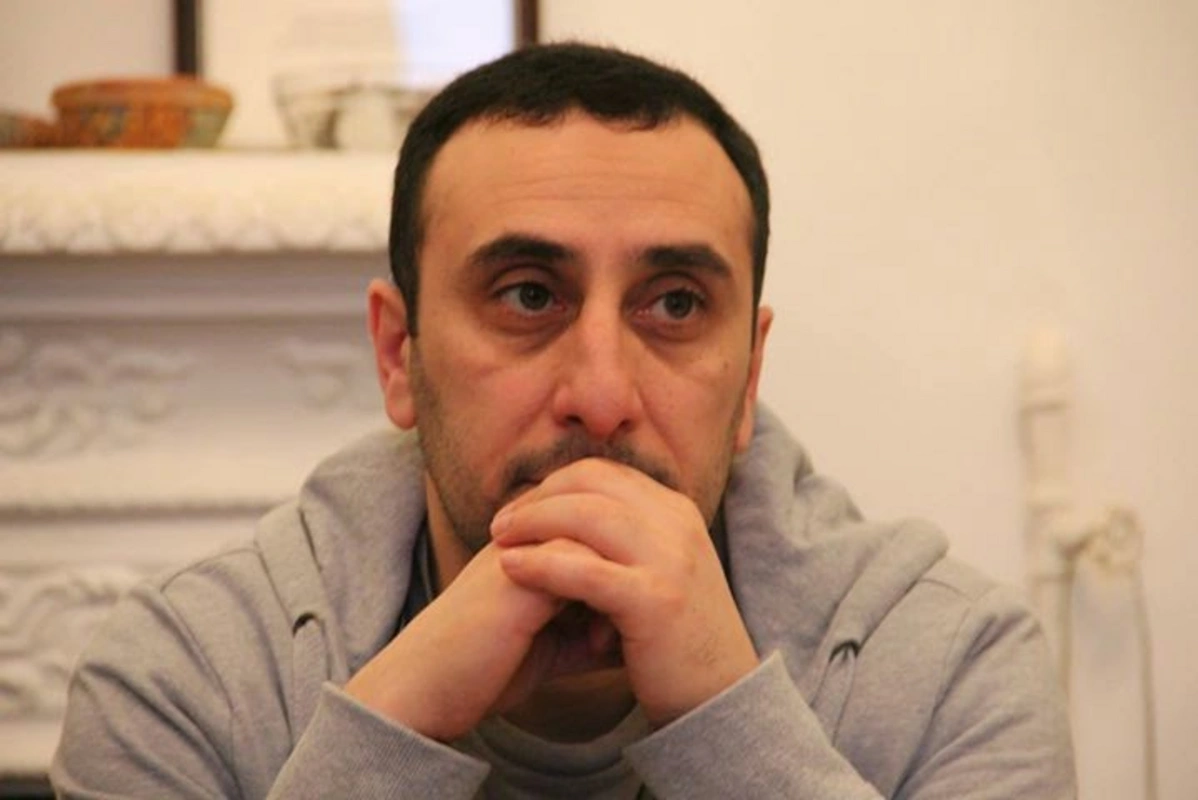
The United States’ role in the Trump Route for International Peace and Prosperity, or TRIPP, is more political than financial, Azerbaijani analyst Rizvan Huseynov said in an interview with the YouTube channel Novosti Kavkaza.
According to Huseynov, recent contacts among the leaders of Azerbaijan, Armenia and the United States showed that the planned transportation route through Armenia remains on the agenda.
“The role of the United States is, of course, one of the most important in implementing the project. But this does not mean that the route cannot be built without the United States,” Huseynov said.
He argued that Azerbaijan and Turkey have sufficient resources to help finance the infrastructure. The main value of U.S. involvement, he said, lies in Washington’s political support for the project.
“What matters most is the political component - the political will of the United States, which signals to other players, including Russia and Iran, that the United States, as a superpower, is interested in implementing this project,” Huseynov said.
The analyst said the lack of widely publicized construction activity should not be interpreted as evidence that the initiative has stalled. He predicted that reports about work on the route could become more frequent by the fall.
Huseynov said he expects “good news” concerning the project within the next 18 months to two years. He attributed the cautious public discussion partly to domestic political developments in Armenia.
In his view, Baku does not want the transportation project to be used by outside powers to exert pressure on Prime Minister Nikol Pashinyan’s government or undermine its policy of peace with Azerbaijan.
Huseynov also dismissed the idea that opposition from Moscow or Tehran could derail the route. He recalled that similar objections accompanied the development of the Baku–Tbilisi–Ceyhan oil pipeline, the Baku–Tbilisi–Kars railway and the TANAP and TAP natural gas projects.
“I do not believe that rhetoric from the north or the south can stop the gradual development and restoration of transit capacity through our region,” he said.
According to Huseynov, Washington views TRIPP as more than a local transportation link between Armenia and Azerbaijan. He said the project gives the United States an opportunity to establish a presence in Eurasian overland logistics as security risks increasingly affect maritime trade routes.
The different branches of the Middle Corridor converge in Azerbaijan, he noted. China, in his assessment, is more interested in the route running through Kazakhstan, Azerbaijan and Georgia, while the United States and the European Union are placing greater emphasis on the branch passing through Armenia.
“All these interests come together on the territory of Azerbaijan,” Huseynov said. “It is the only point where these routes intersect.”
AZE.US