AZE.US
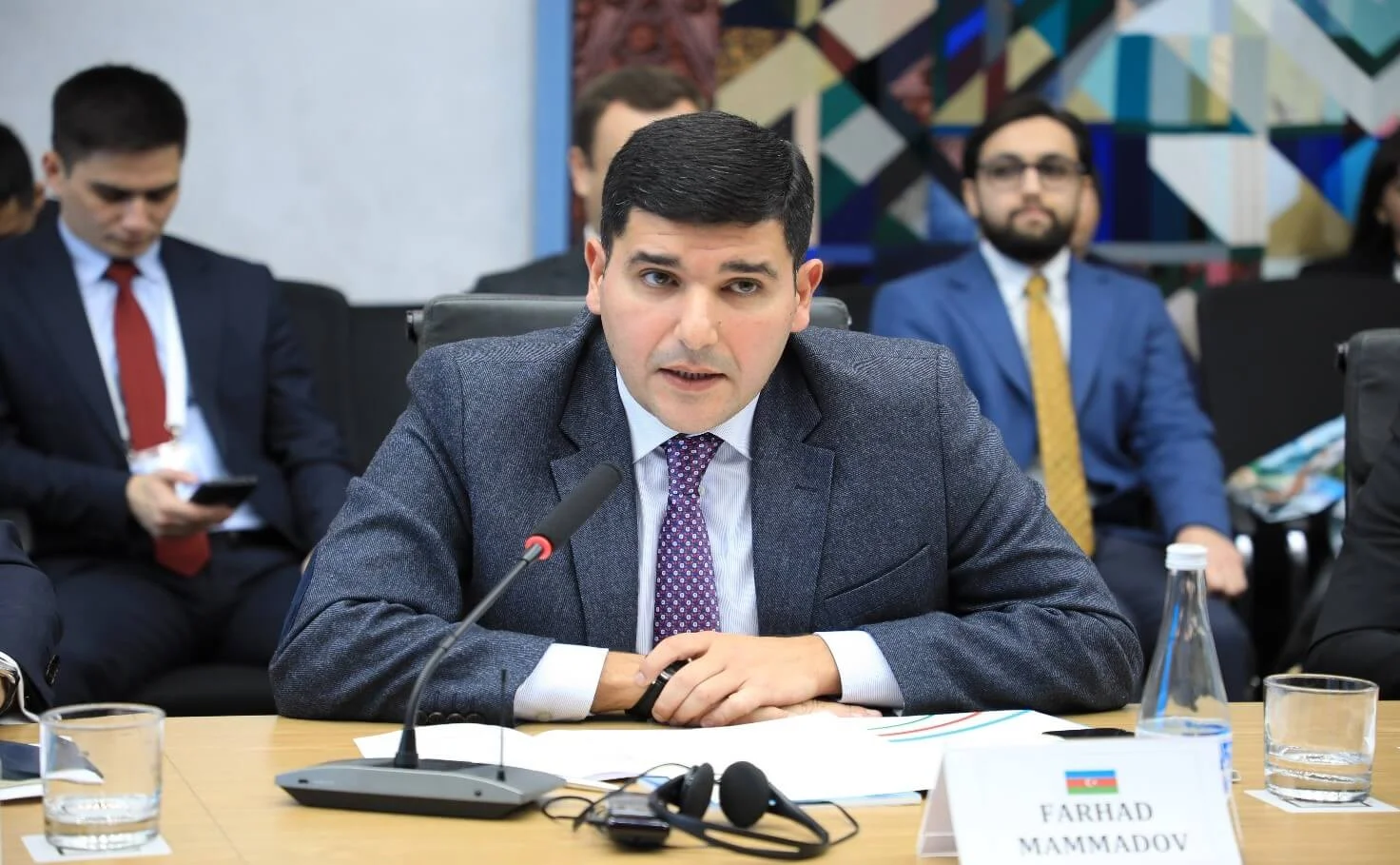
The ceasefire between the United States and Iran should be seen not as a real peace settlement but as a short-lived pause in a conflict that remains unresolved, Farhad Mammadov, chairman of the Center for South Caucasus Studies, said in remarks on the YouTube channel News of the Caucasus.
Mammadov described the current moment not as the end of the war, but as what he called a “postponed war” – a fragile break in active hostilities in which each side is already trying to present the outcome as a victory.
In his view, the current arrangement remains narrow and incomplete. It may reduce direct attacks for now, but it does not settle the deeper disputes that drove the confrontation in the first place.
Mammadov argued that the conflict was never purely bilateral, because Israel is also a central actor in the wider escalation. That, he said, makes the present ceasefire especially unstable. Even if direct strikes between Washington and Tehran are paused, other flashpoints across the region remain exposed.
He said the key questions have not gone away: Iran’s nuclear program, its missile capabilities, and its network of regional proxies all remain on the table. As long as those issues are unresolved, the risk of renewed escalation remains high.
According to Mammadov, the real test will be whether the pause develops into something more durable or simply gives way to another round of pressure. He said serious indicators would include any pullback of US forces brought into the region for the operation and any meaningful easing of sanctions or release of frozen Iranian assets.
Without such moves, he suggested, the ceasefire may amount to little more than a technical halt rather than the beginning of a stable diplomatic process.
Mammadov also pointed to the internal dimension inside Iran. In his view, one of the most important questions now is how the country’s decision-making system will function after the recent strikes, losses and institutional disruption. Who is really making decisions, how power is being managed, and whether the state can restore internal coordination may prove just as important as the external talks.
His broader conclusion was blunt: the bombing may pause, the rhetoric may soften, and negotiations may begin, but none of that means the conflict is over.
For now, Mammadov said, what exists between the United States and Iran is not peace, but a tense and uncertain breathing space.