AZE.US
Iran has officially confirmed the death of its Supreme Leader Ali Khamenei following large-scale military strikes carried out by Israel and the United States on February 28.
Iranian state media, including Islamic Republic News Agency (IRNA) and Tasnim News Agency, reported that Khamenei was killed in a joint U.S.-Israeli strike targeting locations in Iran earlier in the day. According to the reports, he was at his office in Tehran at the time of the attack.
The announcement followed earlier statements by U.S. President Donald Trump, who had claimed that Khamenei had been killed during coordinated operations.
Regional Escalation
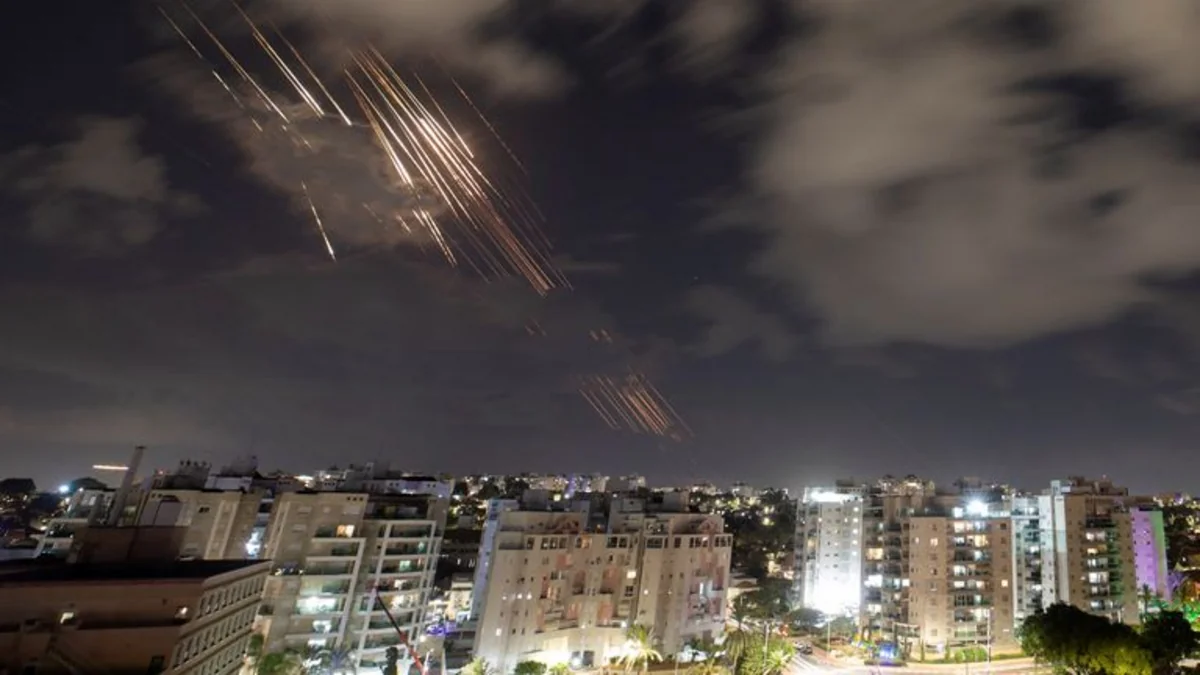
Earlier that morning, Israel and the United States launched airstrikes on multiple Iranian military facilities. In response, Iran fired ballistic missiles toward Israeli territory and reportedly targeted 14 U.S. military bases located in Persian Gulf countries.
The Israel Defense Forces (IDF) confirmed that its air defense systems were actively intercepting incoming missiles. Air raid sirens were activated across several parts of Israel, including central and northern regions.
According to Israel’s national emergency service Magen David Adom, at least one person was killed and more than 100 others were injured in missile strikes, most sustaining minor wounds.
Iranian Military Leadership Losses
Iranian media also reported the death of senior officials during the strikes. Among them was the commander of the Islamic Revolutionary Guard Corps (IRGC), Major General Mohammad Pakpour. Reports indicated that a successor had already been appointed.
The IRGC issued a statement vowing retaliation, declaring that those responsible for the killing of Iran’s Supreme Leader would face decisive consequences.
Political Uncertainty
In a phone interview with CBS News, President Trump said that Khamenei’s death could make negotiations with Tehran “much easier,” arguing that the strikes had been “effective” and might open space for diplomacy.
Iranian authorities, however, described the attack as a grave violation of international and moral norms and pledged that those responsible would not go unpunished.
Several Middle Eastern countries temporarily closed their airspace as tensions escalated.
The developments mark one of the most significant escalations in recent Middle East tensions in decades, with potential implications for regional stability, global energy markets, and international security structures.