By AZE.US
Azerbaijan plans to build modern shelters for stray animals across the country under a state program approved by President Ilham Aliyev.
The initiative, scheduled for 2027-2032, is expected to provide animals with safe accommodation, food, veterinary treatment and other essential care.
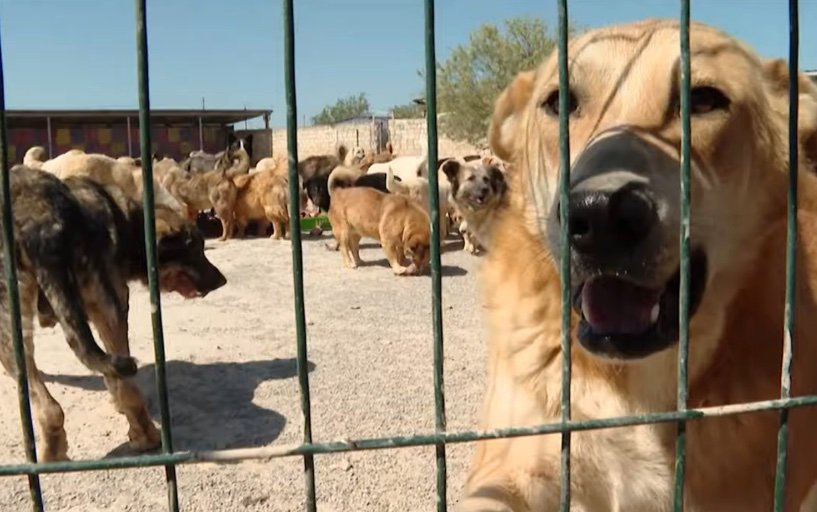
Animal welfare advocates have welcomed the decision but stressed that constructing new facilities alone will not solve the problem. They say authorities must limit the number of animals housed at each shelter, prevent overcrowding and provide sufficient space for exercise.
Regular supplies of food and medicine, access to veterinary services and strict sanitary standards will also be critical. Housing too many dogs in a confined area can lead to fights, disease outbreaks and deteriorating living conditions.
The pressure facing private shelters illustrates the scale of the problem. AZE.US previously reported that animal rescuer Elena Simakina was caring for approximately 120 dogs on a 600-square-meter property. Many of the animals had suffered serious injuries, were unable to walk independently or required continuous treatment for epilepsy and other chronic illnesses.
With support from donors, Simakina acquired a new 2,400-square-meter site. Plans for the property include insulated enclosures, a quarantine area, staff facilities and outdoor exercise spaces. Some enclosures have already been constructed, but completion of the project remains dependent on donations and volunteer assistance.
The case highlights the important role played by private rescuers while also demonstrating why individual initiatives cannot resolve Azerbaijan’s stray animal problem nationwide.
The Food Safety Agency of Azerbaijan is expected to provide technical guidance for the design and operation of the new shelters. Its role will include supporting compliance with animal welfare and veterinary requirements, registering facilities and establishing procedures for identifying animals brought into shelters.
The government program could allow Azerbaijan to move from fragmented private initiatives toward a coordinated national system, improving animal welfare while also addressing public safety concerns.
AZE.US