By AZE.US
Armenian Prime Minister Nikol Pashinyan’s upcoming visit to Moscow is unlikely to resolve the growing disagreements between Armenia and Russia, according to Russian foreign policy analyst Dmitry Suslov.
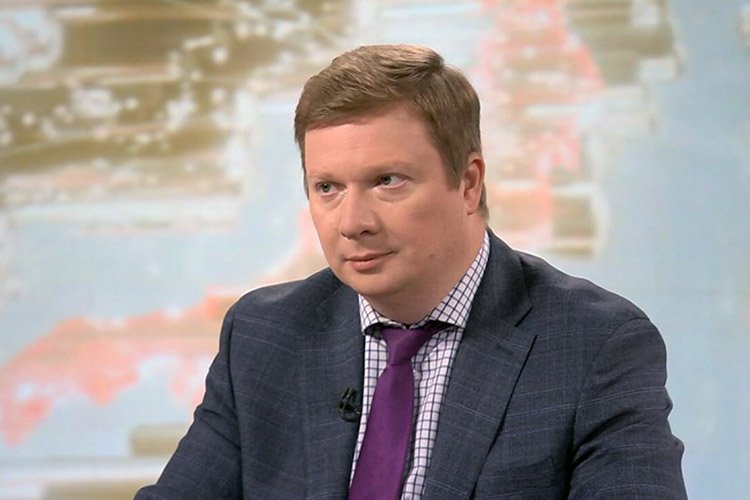
Suslov, deputy director of the Center for Comprehensive European and International Studies at Moscow’s Higher School of Economics, discussed the visit in an interview with Alpha News.
“I think we should expect more treading water,” Suslov said, arguing that neither Moscow nor Yerevan appears prepared to reconsider its position following Pashinyan’s recent meeting with Russian President Vladimir Putin in Bishkek.
Moscow Wants Armenia to Choose
The central dispute concerns Armenia’s declared ambition to pursue European Union membership while retaining the economic advantages associated with the Eurasian Economic Union, or EAEU.
Suslov said Moscow expects Yerevan to clarify its long-term strategic direction. In his view, Armenia would eventually have to leave the EAEU if voters backed EU membership. Alternatively, remaining in the Russian-led bloc would require the Armenian government to reconsider its pro-Western course.
Pashinyan’s government argues that no immediate decision is necessary. Yerevan wants to receive a response from Brussels, develop a potential EU integration roadmap and only then examine the implications for Armenia’s EAEU membership.
Putin publicly addressed the issue during his Sept. 1 meeting with Pashinyan in Bishkek. He described Armenia’s European aspirations as the sovereign choice of the Armenian people but warned that EU membership could eliminate the country’s EAEU advantages and disrupt established trade chains.
Russia accounts for about 30% of Armenia’s foreign trade, while bilateral trade reached $2.5 billion in the first half of 2026, according to figures presented during the meeting.
Russia Is Not Ready to Sever Ties
Suslov said Moscow does not want to initiate a sudden rupture with Armenia because rebuilding decades-old political and economic connections would be difficult.
He predicted that Russia would continue dealing with Pashinyan’s government while waiting to see whether economic pressure leads Armenian businesses and the wider public to demand a change in policy.
That remains Suslov’s assessment. Moscow has not announced a decision to end economic cooperation with Armenia or remove the country from the EAEU.
The analyst also questioned whether Armenia could rapidly redirect its trade toward Europe. Even if customs tariffs were removed, he said, Armenian exporters would still face EU certification, sanitary and phytosanitary requirements.
Geography, existing infrastructure and long-established commercial relationships would therefore continue to shape Armenia’s economic options, he argued.
The Future of Russia’s Military Base
The interview also addressed the future of Russia’s 102nd Military Base in Armenia.
Suslov said he did not expect Putin to order a withdrawal on Russia’s initiative. Instead, Moscow has effectively placed responsibility for such a decision on the Armenian government: If Yerevan asks Russian troops to leave, it would also assume responsibility for the security consequences.
The analyst noted that the Armenia-Azerbaijan peace process remains incomplete and relations between Armenia and Türkiye have not been fully normalized. Armenia also does not belong to another military alliance capable of immediately replacing its existing security arrangements with Russia.
The debate over the base is therefore part of a wider dispute over the future security architecture of the South Caucasus.
Suslov said Moscow was taking a similar approach to the Russian concession operating Armenia’s railway system. Russia is unlikely to voluntarily surrender an economically valuable asset, he argued.
Could Armenia Face EAEU Restrictions?
The outcome of the Moscow talks could influence future discussions about Armenia’s position in the EAEU, Suslov said.
If Putin and Pashinyan reach a temporary accommodation, any consideration of restrictive measures could be postponed. If both leaders maintain their current positions, Suslov said Armenia could face attempts to suspend some of the benefits it receives as an EAEU member.
No official proposal to suspend Armenia’s membership or withdraw its economic privileges has been announced. The possibility remains the analyst’s forecast rather than an agreed policy.
Ukraine Talks May Resume Without Producing Peace
Suslov also discussed Russia’s relations with the United States and Europe and the prospects for negotiations over Ukraine.
He predicted that diplomatic activity would continue along two parallel tracks: one involving Russia, the United States and Ukraine, and another bringing together the United States, Ukraine and leading European governments.
However, Suslov said renewed talks were unlikely to end the conflict in the short or medium term. He argued that the outcome would depend more on battlefield developments and the economic exhaustion of the parties than on the negotiating process itself.
The analyst also said the result of the U.S. midterm elections could limit President Donald Trump’s ability to pressure Kyiv and European governments or secure the removal of sanctions on Russia.
Suslov’s broader conclusion was pessimistic: Neither Pashinyan’s visit to Moscow nor renewed diplomatic activity over Ukraine guarantees a breakthrough. In both cases, the parties appear determined to preserve channels for negotiations without abandoning their fundamental demands.
AZE.US