AZE.US
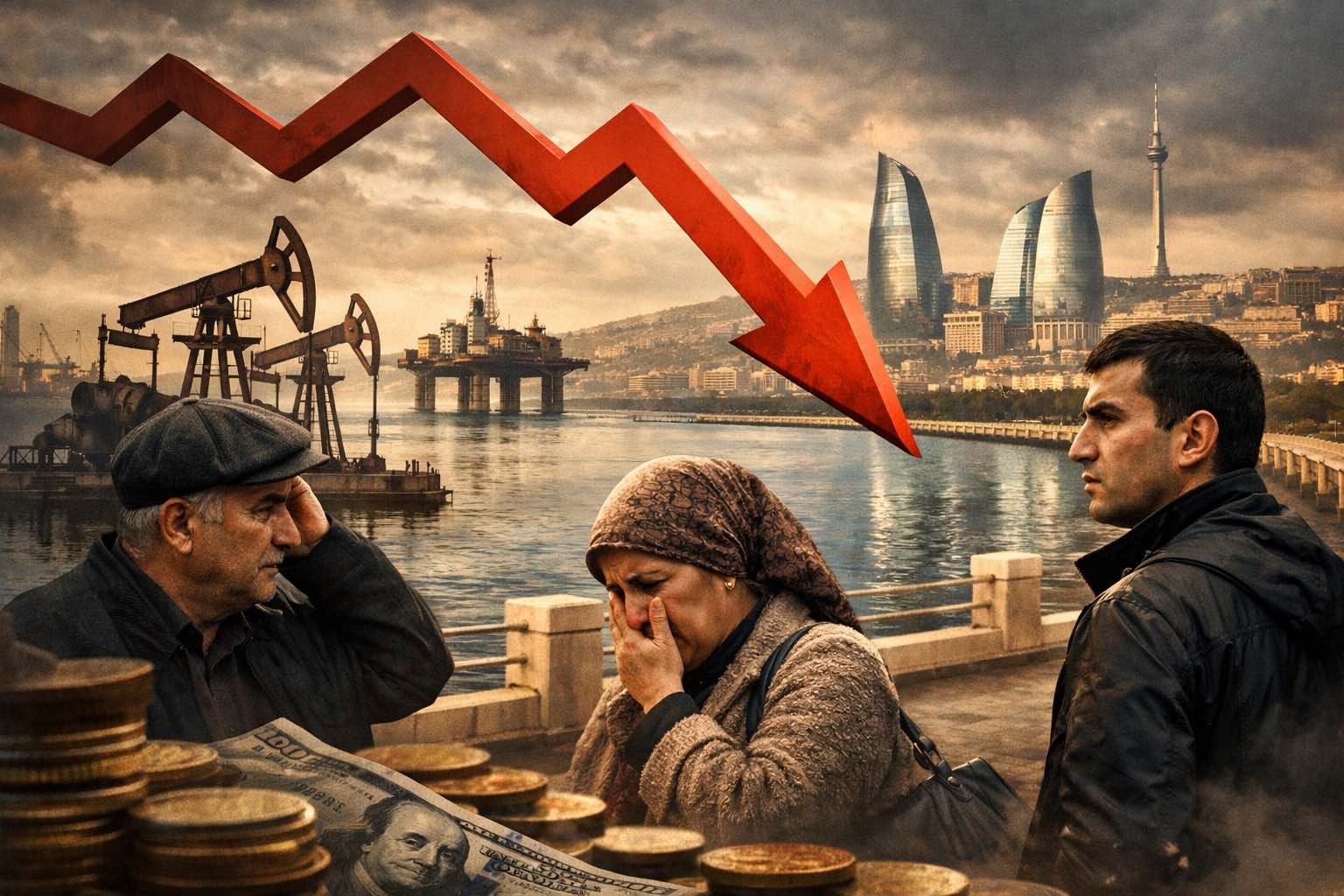
Azerbaijan has entered a zone of economic slowdown, according to Natig Jafarli, chairman of the REAL party, who says the latest data point to growing pressure across several key indicators.
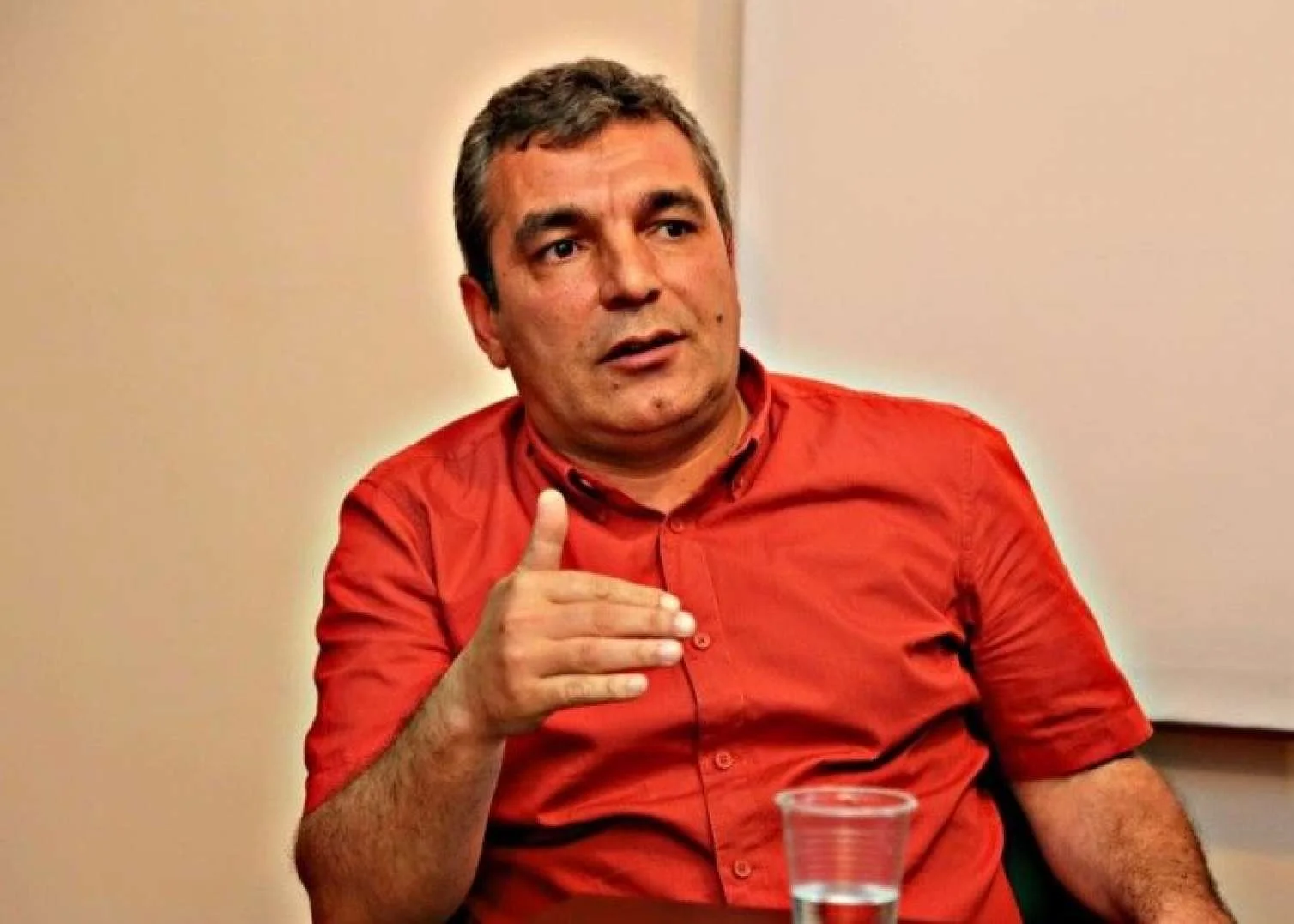
In a Facebook post, Jafarli said government officials have repeatedly argued that слабый growth in gross domestic product should not be seen as a major problem. But, he said, both economic theory and real-world practice show that when GDP weakens, the effect is eventually felt in household incomes, living standards, and the broader economy.
He pointed to the first-quarter results for 2026, which showed that Azerbaijan’s GDP fell by 0.3% in the first three months of the year. In his view, that means the economy has already entered recession. He added that oil prices rose sharply in March, yet GDP still declined, which, he argued, suggests the problems are becoming deeper.
Jafarli compared Azerbaijan’s performance with several neighboring countries. He said GDP growth stood at 8.4% in Georgia, above 7% in Uzbekistan, and 8.8% in Kyrgyzstan, making Azerbaijan’s figures look especially weak by comparison.
He also highlighted foreign trade data, saying Azerbaijan’s trade turnover fell by 23.5% in the first two months of 2026 compared with the same period last year. Exports dropped by 9.6%, while imports fell by 37.1%. Jafarli said that trend is dangerous because it points to weaker consumer purchasing power and lower business investment in equipment and expansion.
On household income, he said nominal incomes rose by 5.3%, which on paper may look positive. But with official inflation at 5.7%, that increase was more than wiped out by rising prices, meaning real incomes declined.
Jafarli also warned about a rise in non-performing loans. According to the figures he cited, the volume of bad loans in Azerbaijan’s banking sector reached 763 million manats in January 2026. Compared with a year earlier, non-performing consumer loans increased by 58 million manats, while bad business loans rose by 54 million manats. As a result, the share of non-performing loans in the total credit portfolio climbed by 0.1 percentage points to 2.5%.
He said economic theory treats a non-performing loan ratio above 3% as a dangerous threshold. Azerbaijan is now close to that line, he argued, and could cross it by the end of the year if the current trend continues.
Jafarli called on the government to stop ignoring the warning signs and begin serious reforms before the situation worsens further. He said small and medium-sized businesses are under growing pressure, prices continue to rise, real incomes are falling, and the economy is already showing signs of contraction.