AZE.US
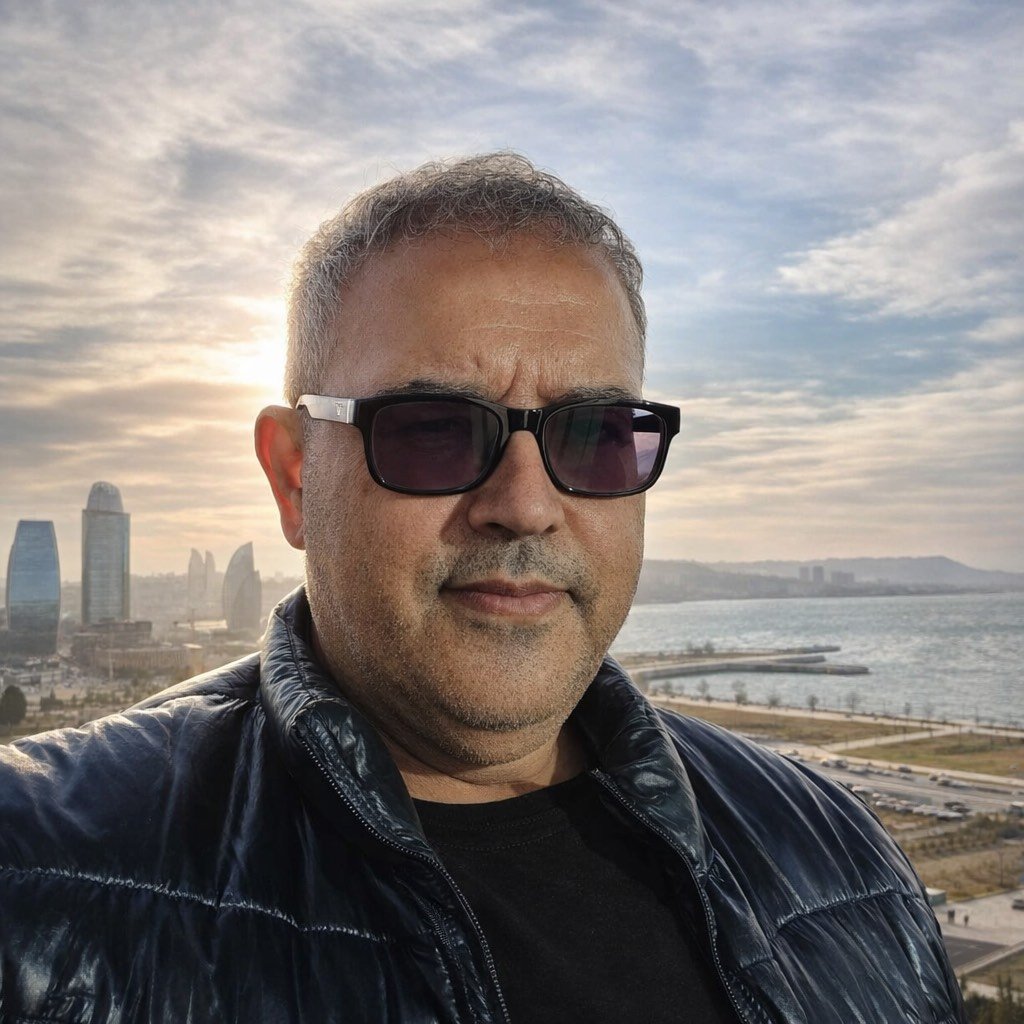
Azerbaijani political analyst Rashad Rzakuliyev said the war and diplomatic tension around Iran could reshape the balance of power across the Middle East and eventually open the way to a direct rivalry between Turkey and Israel. He made the remarks in an interview on the Daily Europe Online channel.
Rzakuliyev argued that the current moment should not be seen as a narrow dispute around one set of talks or one flashpoint. In his view, the negotiations in Islamabad were only a small part of a much broader geopolitical process that has been building for years and is now entering a more dangerous stage.
He said the region could undergo far-reaching changes by 2030, including shifts in borders, political systems, and the broader regional order. According to him, the Middle East is moving toward a new and more unstable phase whose consequences will reach far beyond Iran itself.
One of the sharpest points in the interview came when Rzakuliyev described Iran as a long-standing regional balancer. If that balancing role weakens, he said, the main contest for influence in the Middle East could move to Turkey and Israel. He went further, saying such a confrontation could eventually take place.
For Azerbaijan, he said, the situation presents risks rather than opportunities. He pointed to the danger of refugee flows, migration pressure, border instability, and even the possibility of wider military involvement if the conflict expands.
Rzakuliyev also said that both Azerbaijan and Turkey are deeply exposed to any escalation involving Iran because of geography, security ties, and the wider regional environment. In that context, he suggested that Baku, Ankara, and Tehran would all have strong reasons to avoid further destabilization, even as the broader strategic picture grows more volatile.
Throughout the interview, Rzakuliyev framed the crisis as part of a larger struggle involving global and regional powers. The most striking takeaway, however, was his warning that the weakening of Iran may not bring calm to the region. In his reading, it could instead set the stage for the next major fault line in the Middle East: a future confrontation between Turkey and Israel.