AZE.US
A man presented in Azerbaijan as an international human rights advocate, Jewish community representative and philanthropist allegedly built his public image through grand titles, powerful symbolism and carefully staged displays of influence.
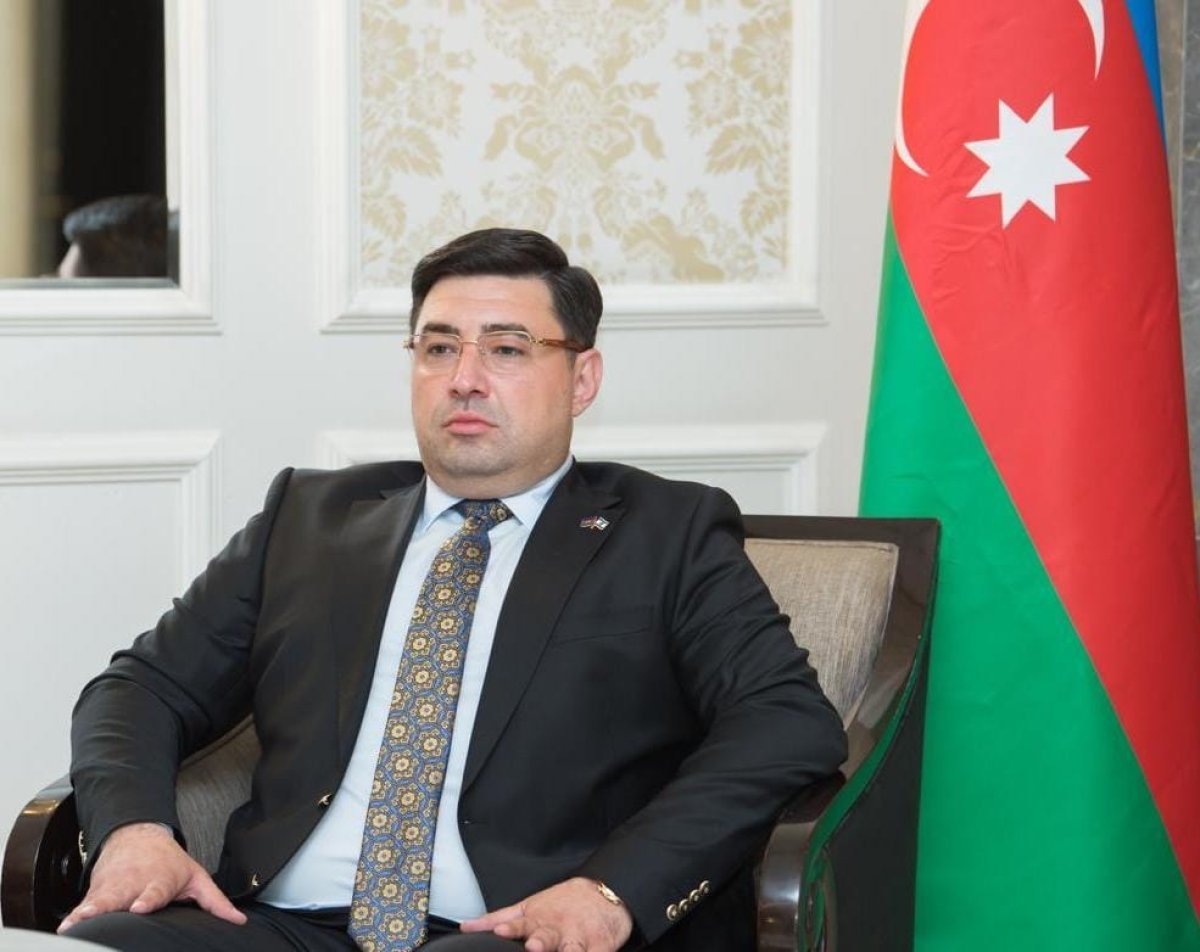
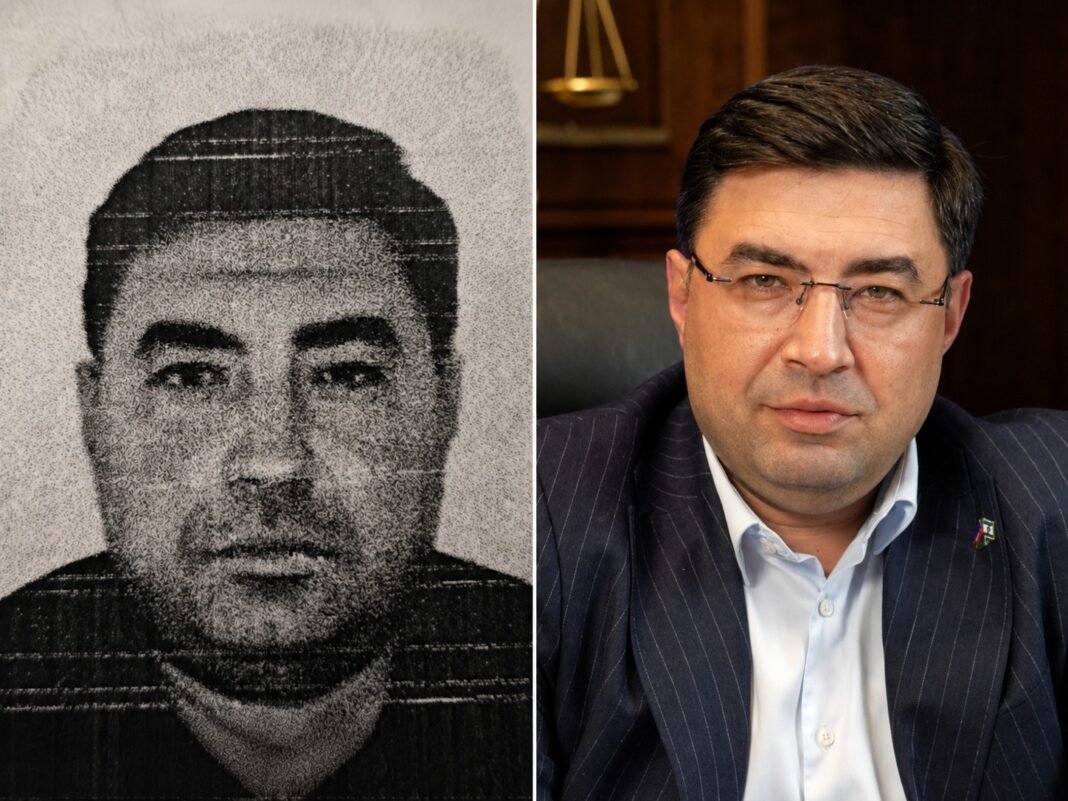
The scandal surrounding the man known as David Seliverstov is no longer limited to questions about his real identity and criminal record.
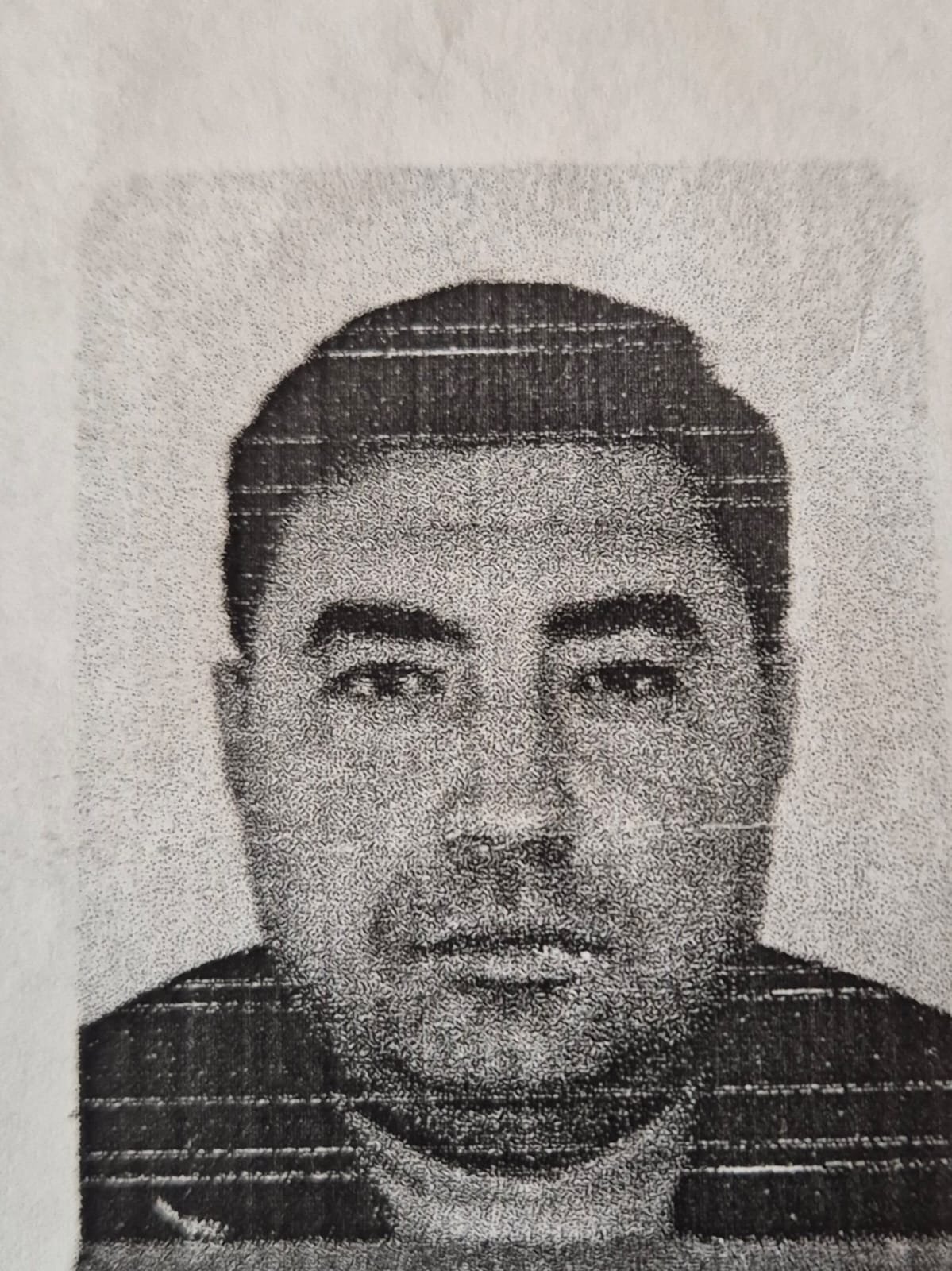
As previously reported, members of the Monitoring Group of Human Rights Organizations claim that the person presenting himself under that name is actually Baku-born Kazim Elshan oglu Abbasov, a man who had previously been convicted several times.
Seliverstov has rejected a significant part of the allegations and described the publications as a targeted campaign against him. However, he has not publicly provided a detailed response to the central claims concerning his identity, past convictions and the legal status of the international organizations he allegedly represented.
An International Organization – At Least in Appearance
In public sources, Seliverstov presented himself as the head of the Caucasus office of an organization called the Global Solidarity Council.
His name appeared alongside titles such as international human rights advocate, public figure, philanthropist and representative of international Jewish organizations. He was also publicly introduced as a vice president of Caspian Capital Holding.
The visual identity of the Global Solidarity Council appears to have played an important role in supporting that image.
Its emblem combines several powerful symbols: an eagle, a globe, laurel or olive branches, inscriptions in English and Russian, and a Star of David at the bottom.
Taken together, the symbols create the impression of an organization operating at the intersection of Western political institutions, international governance bodies and Jewish or Israeli organizations.
The eagle resembles imagery widely associated with state authority and political power. The globe suggests worldwide operations, while the surrounding branches evoke the symbols used by international organizations, including the United Nations.
The English and Russian inscriptions reinforce the impression that the group connects Western and post-Soviet political spheres. The Star of David adds another layer, creating an apparent association with Jewish institutions or Israel.
There is no publicly presented evidence, however, showing what international recognition, formal registration, diplomatic status or global network the council actually possessed.
Its legal structure, funding sources, list of representatives and documented international partnerships remain unclear.

Symbols Instead of Credentials
The presentation was apparently designed to make ordinary people believe that Seliverstov was backed by institutions far more powerful than a local private organization.
A visitor would see an eagle, a globe, international terminology, the Star of David, expensive clothing, security guards and references to global diplomacy.
At that point, the person might begin questioning not Seliverstov’s credentials, but whether they had the right to challenge him at all.
This psychological effect may have been central to the public image created around him.
Demanding an explanation from an ordinary businessman named Kazim Abbasov is one thing. Confronting “David Seliverstov, an international representative connected to global organizations,” is something entirely different.
The title alone could create hesitation, fear and uncertainty.
A Carefully Staged Image
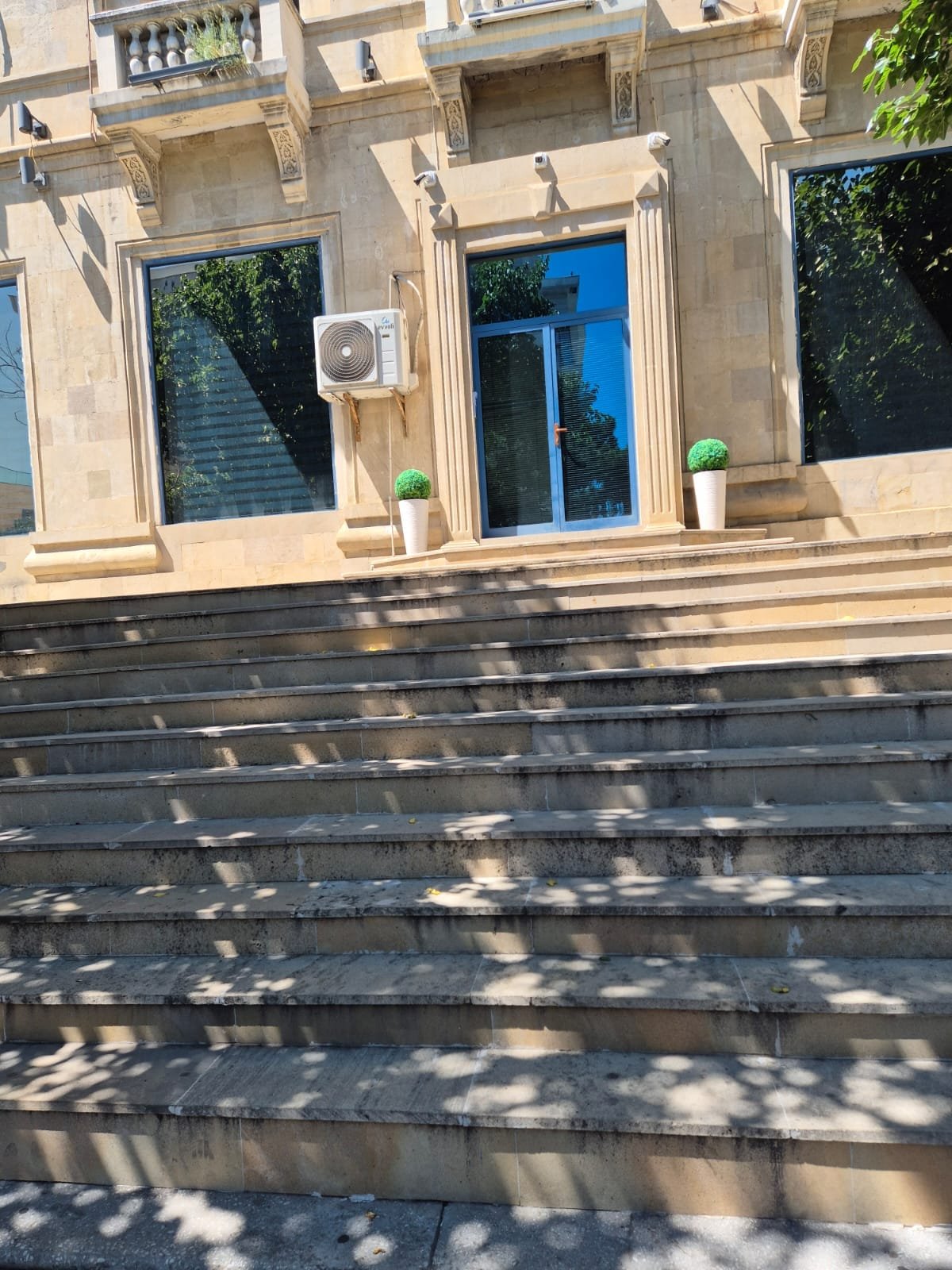
According to allegations published by Azerbaijani media and members of the human rights monitoring group, Seliverstov operated from an office on Behruz Gasimov Street in Baku.
Visitors were reportedly required to hand over their mobile phones and pass through metal detectors. Security guards allegedly remained present during meetings.
The office was described as having two lawyers who prepared contracts and other documents for visitors.
Seliverstov was also reportedly driven around Baku under security protection in a Cadillac Escalade bearing the license plate 77-AX-911.
Every detail appeared to serve the same purpose: to convince visitors that they were dealing with someone who enjoyed international protection, political connections and access to powerful officials.
The office did not simply function as a workplace. It reportedly operated as a stage.
The guards, vehicle, legal staff, international titles and symbolic emblems all reinforced the message that Seliverstov was not an ordinary person and that unnamed global forces stood behind him.
From Television Guest to Holding Executive
Seliverstov was not merely a social media personality.
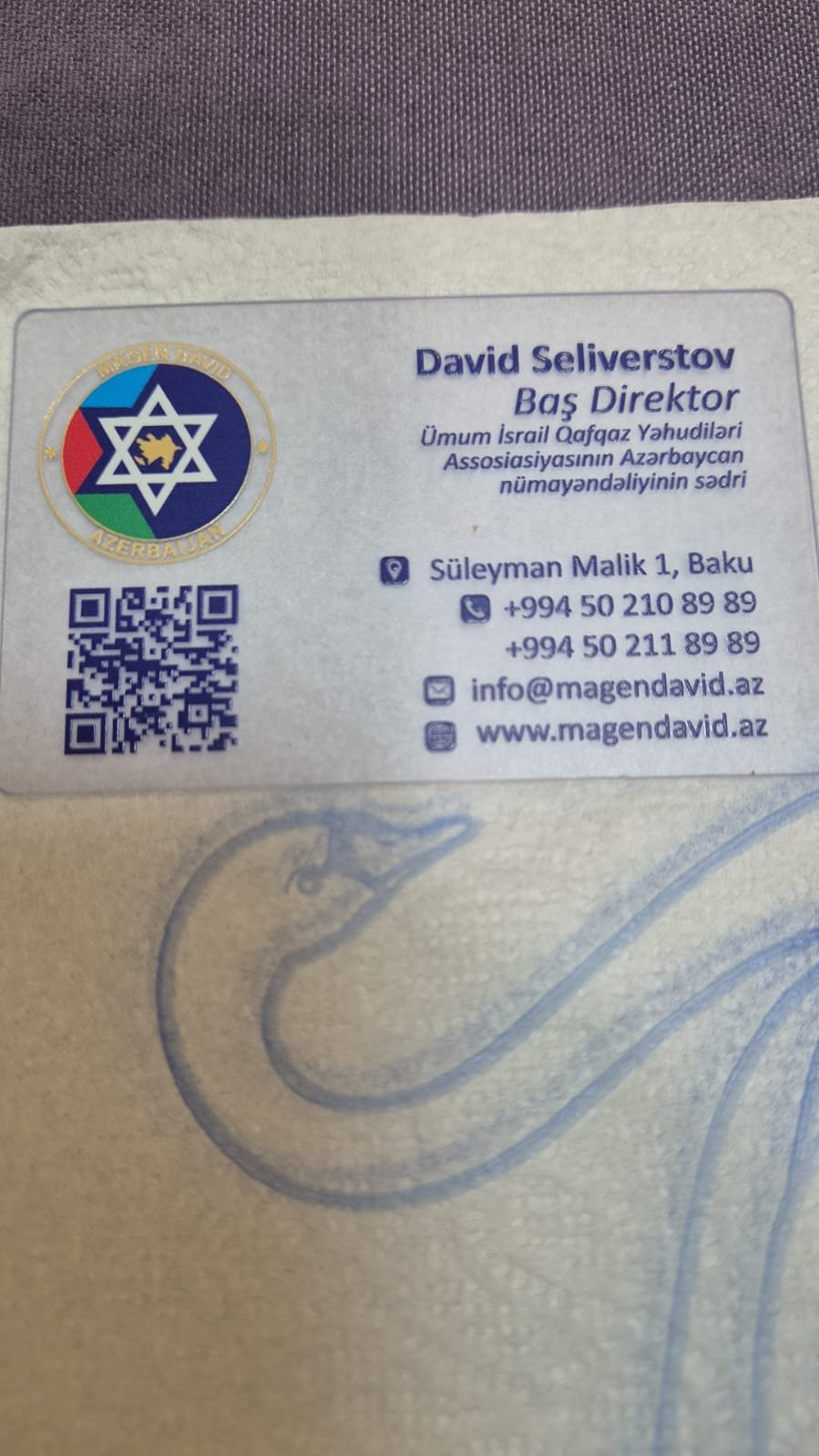
In June 2025, Baku TV Ru introduced him as a prominent human rights advocate and public figure during a program discussing the work of Magen David Azerbaijan.
During the interview, he spoke about humanitarian projects, legal assistance and support for vulnerable citizens regardless of ethnicity.
In June 2026, Caspian Capital Holding announced that Seliverstov had been appointed vice president of the company.
He was reportedly tasked with overseeing high technology, innovation, international cooperation, investment projects and digital transformation.
These appearances gave his image additional legitimacy.
A person watching him on television or reading an official corporate announcement had little reason to assume that his identity, credentials or background might require further examination.
Who Verified His Background?
The scandal therefore raises questions not only about Seliverstov himself, but also about the institutions that helped establish him as a public figure.
Who introduced him to journalists as an international human rights advocate?
Who verified his documents before television appearances?
Who confirmed that he represented recognized Jewish or international organizations?
Who recommended him for a senior position at Caspian Capital Holding?
And who opened the doors that allowed him to meet political figures, businesspeople and representatives of civil society?
There are two possible explanations.
Either numerous media outlets, organizations and business structures became victims of an elaborate performance, or influential people knowingly helped Seliverstov gain access to platforms and circles that would otherwise have been closed to him.
Both possibilities require serious examination.
A Myth Built in Plain Sight
The story demonstrates how easily an international public image can be created through symbolism, media exposure and the appearance of institutional power.
A sophisticated logo, an impressive title, expensive clothing, guarded offices and photographs with recognizable figures can be enough to manufacture legitimacy.
For years, Seliverstov appeared publicly as a human rights advocate, philanthropist and international representative.
Now, Azerbaijani law enforcement agencies are being asked to determine whether those titles were supported by real legal authority or whether they formed part of a carefully constructed myth.
The central question is no longer simply who David Seliverstov claimed to be.
It is how so many people, institutions and media platforms accepted that identity without first establishing who was actually behind it.
AZE.US