By Meltem Safarli
Karabakh, November 2020. The following scene and letter are fictional, written in tribute to the young soldiers who lost their lives in the war.
In a trench under the cold Karabakh sky, a twenty-two-year-old soldier writes to his mother. Fresh out of university, he had dreamed of studying abroad and representing Azerbaijan. Now he is about to return to battle.
Days later, his family learns he has been killed. His mother finds the letter among his belongings:
“Dear Mother,
When I graduated, you said I would make Azerbaijan known to the world. I hoped to do it through education. Today I serve differently: with a weapon instead of a pen.
I hope those who come after us will study around the world and speak proudly of Azerbaijan. We fight for their future; they will serve our country through knowledge and achievement.
If I do not return, I know you will cry. I hope there will also be pride in your grief. I am your son, and a soldier of Azerbaijan.
I gave my life for a future I would never live to see.”
My name is Meltem Safarli, an Azerbaijani student in the United States. As November 8 approaches, the distance from home feels especially profound. Between classes and preparations for a future in medicine, I think of young soldiers who never had the chance to pursue their own dreams.
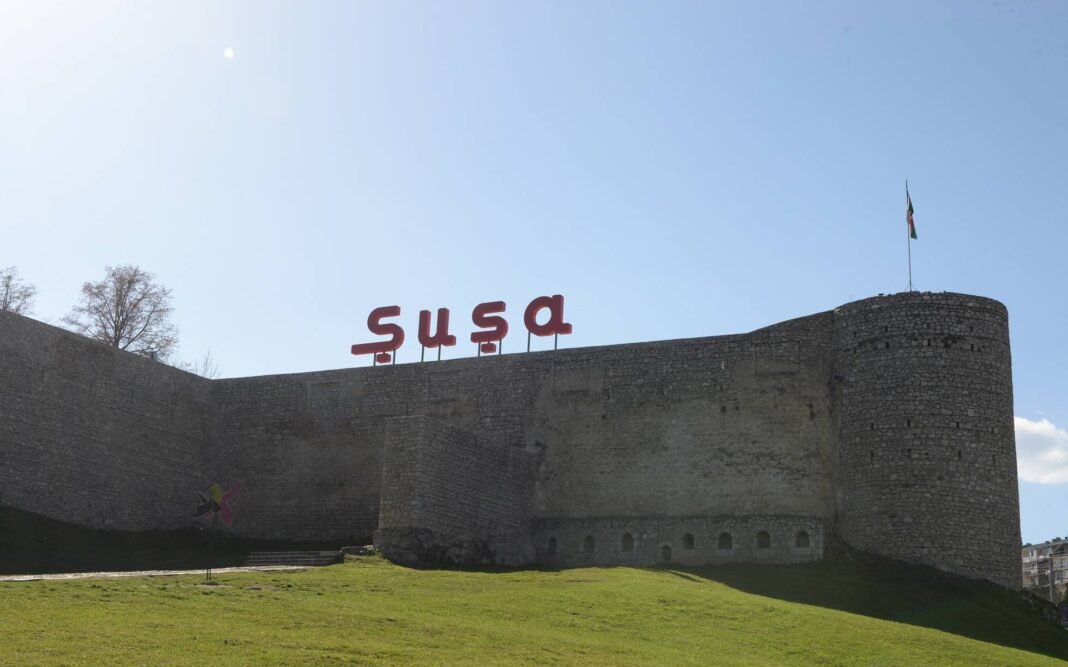
November 8, Azerbaijan’s Victory Day, marks the recapture of Shusha during the 44-day war that began on September 27, 2020. The November 10 trilateral statement ended the fighting and provided for the return of Aghdam, Kalbajar, and Lachin districts to Azerbaijan. For families displaced for decades, these events carried the hope of returning home.
President Ilham Aliyev’s leadership as Supreme Commander-in-Chief was central to Azerbaijan’s 2020 military campaign. During his presidency, the armed forces were modernized and defense capabilities strengthened. Throughout the war, he led the country’s military efforts while presenting Azerbaijan’s position to international audiences. Coordinated operations and modern military technologies helped shape the campaign.
On November 8, President Aliyev announced Shusha’s liberation from the Alley of Martyrs in Baku. His words, “Dear Shusha, you are free!”, symbolized a long-awaited return. He later signed the December 3 decree establishing November 8 as Victory Day. To me, this history reflects political leadership, military strategy, national unity, and the soldiers’ sacrifices.
Victory also carries grief. Thousands of Azerbaijani service members died, leaving families without sons, brothers, fathers, and friends. The fictional letter opening this essay is my way of imagining the futures those young people might have lived.
Here when someone asks where I am from, I proudly say, “Azerbaijan.” That answer sometimes begins a conversation about our history and culture. I have learned that representing my country can start with something as simple as a question in a classroom.
I hope my education in healthcare will one day benefit people beyond myself, including in Azerbaijan. A doctor’s work, a researcher’s discovery, or a student’s achievements abroad can also be forms of service to one’s homeland.
Victory Day asks me to hold gratitude and grief together. We honor fallen soldiers not only by remembering their courage, but by recognizing their unfinished dreams and helping build a peaceful future for the children of Karabakh.
I may live far from Azerbaijan, but my homeland remains close whenever I introduce myself or imagine the future I hope to help create. If history asks what we did with the homeland entrusted to us, I hope our lives will be our answer.
Short Author Biography:
Meltem Safarli is an Azerbaijani student pursuing her undergraduate degree on the pre-medical track at Iowa State University in the United States. She is the founder and president of the Global Health Innovation Lab, a student organization dedicated to globalhealth, innovation, and youth leadership. Passionate about international collaboration and cultural diplomacy, she seeks to promote Azerbaijan’s history, culture, and national identity abroad. Her writing has previously been featured in The Diplomatic Insight.
AZE.US