By AZE.US
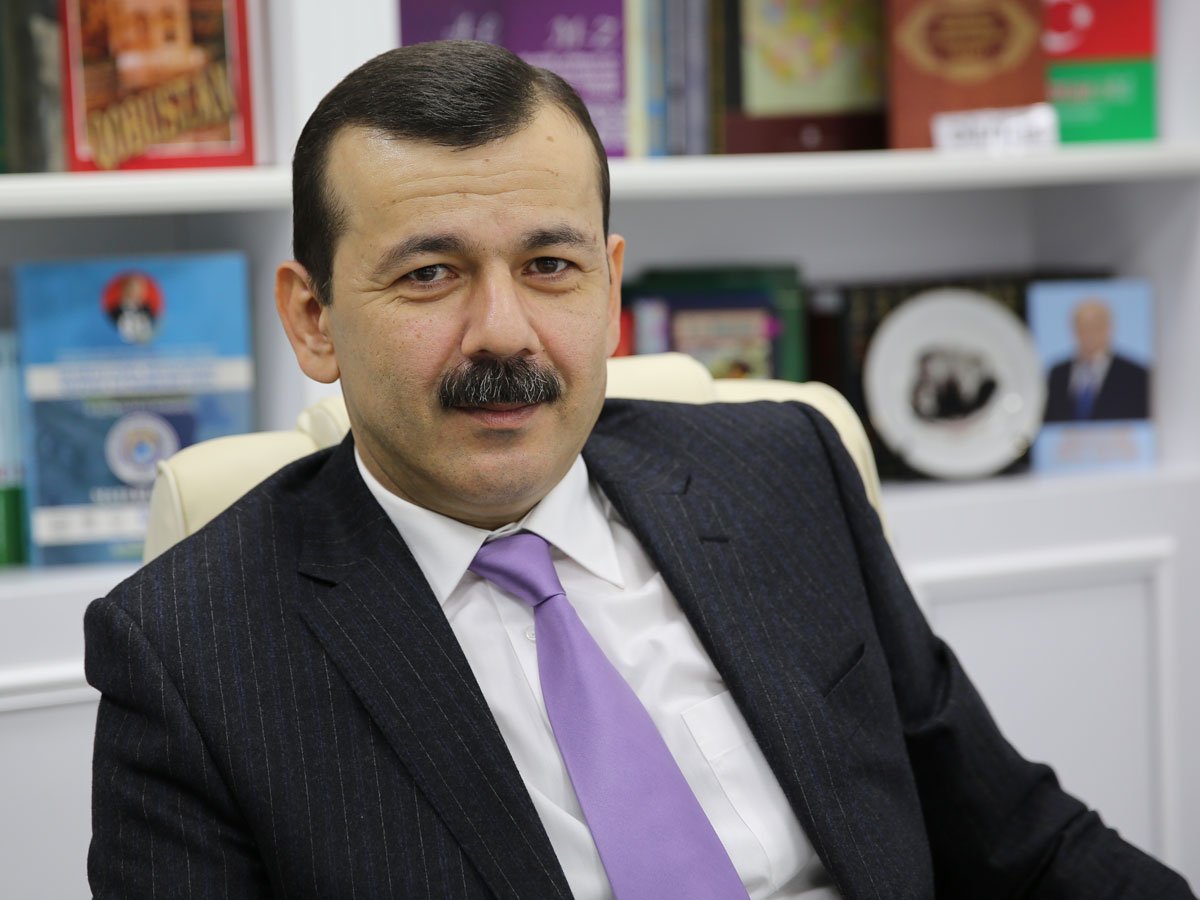
The new regional reality shaped by Azerbaijan is forcing even major global powers to revise their policies in the South Caucasus. However, turning the current Armenia-Azerbaijan understandings into lasting peace will require more than political declarations, Azerbaijani political commentator Murad Sadaddinov said.
Sadaddinov made the remarks in an interview with the YouTube program A Contemporary Conversation With Rasim Babayev.
According to the analyst, the recent visit by representatives of the diplomatic corps accredited in Azerbaijan to the Karabakh and East Zangezur regions demonstrated how attitudes toward the country’s restored territories have changed.
During the first years after Azerbaijan regained control over the territories, the ambassadors of several countries, including the United States and France, declined to participate in some official visits to Shusha. Foreign diplomats now regularly travel to the region to observe reconstruction, infrastructure development and the return of residents.
“The reality created by Azerbaijan in the South Caucasus has become fundamental. It can no longer be reversed, and major powers are being forced to build their policies around the new conditions,” Sadaddinov said.
He argued that no major political, economic or transportation project involving Armenia or Georgia can now be implemented without taking Azerbaijan’s position into account.
Azerbaijan controls key energy and transit routes connecting the Caspian region and Central Asia with Türkiye and Europe. Following the restoration of its sovereignty over its internationally recognized territory, the country’s economic importance has been reinforced by greater political influence, Sadaddinov said.
As a result, the United States, France and Russia must adapt to the regional configuration that emerged following the 2020 war and Azerbaijan’s September 2023 operation, despite their differing interests in the South Caucasus.
Sadaddinov linked Washington’s changing approach to the policies of the Donald Trump administration, which he described as more balanced toward Azerbaijan and Armenia and more interested in opening regional transportation links.
France, he said, faces a more complicated situation. In Sadaddinov’s assessment, Paris weakened its own regional influence by pursuing what Baku viewed as a one-sided policy. The participation of French diplomats in visits to the restored territories may therefore signal an effort to acknowledge the new reality and gradually repair relations with Azerbaijan.
Recognizing the changed balance of power, however, does not by itself guarantee a final settlement between Baku and Yerevan.
Sadaddinov identified the Armenian Constitution as the principal remaining obstacle to signing a peace treaty. The Constitution refers to Armenia’s Declaration of Independence, whose language Azerbaijan considers to contain territorial claims against it.
Political statements by Armenian Prime Minister Nikol Pashinyan recognizing Karabakh as part of Azerbaijan cannot replace binding legal guarantees, the commentator argued.
“Pashinyan recognizes Azerbaijan’s territorial integrity today, but another politician could come to power tomorrow and declare that the previous government’s decisions violated the Armenian Constitution,” Sadaddinov said.
“Peace must be protected by the fundamental law of the state, not merely by the promises of one leader.”
He said this explains why the agreed peace treaty was initialed but has not yet been formally signed.
Sadaddinov rejected claims that Baku’s demand for constitutional changes constitutes interference in Armenia’s domestic affairs. Azerbaijan is not seeking to determine Armenia’s system of government or political leadership, he said, but wants the removal of legal ambiguity that directly affects its territorial integrity and national security.
At the same time, Baku has demonstrated its willingness to move toward practical normalization. Transit links are expanding, regional communications are being discussed and the first direct trade contacts have emerged despite the absence of diplomatic relations and a signed peace treaty.
Sadaddinov described these steps as evidence that Azerbaijan is prepared to support peaceful coexistence from a position of confidence. Economic engagement and political goodwill, however, cannot substitute for enforceable legal guarantees, he added.
A peace agreement could be signed quickly, but its durability would depend on whether the underlying risks of a renewed conflict had been removed.
The next decisive step must therefore come from Yerevan, Sadaddinov concluded. Armenia must bring its constitutional framework into line with its declared peace agenda before the new political reality established in the South Caucasus can receive final legal confirmation.
AZE.US