AZE.US
Armenia’s parliamentary elections on June 7 are turning into more than a domestic political contest. They may become the first serious public test of whether Armenian society is prepared to support peace with Azerbaijan.
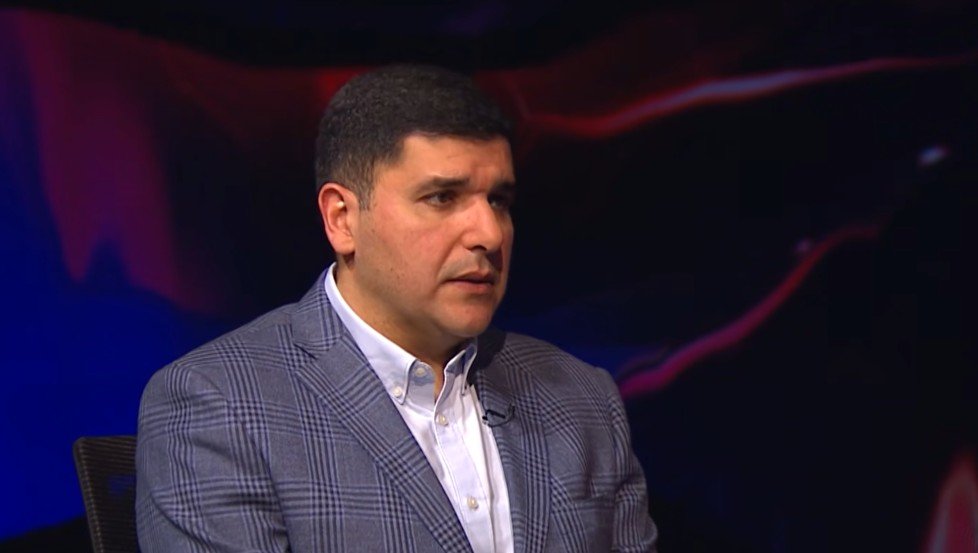
Political analyst Farhad Mammadov said the current peace process between Baku and Yerevan began to take clearer shape after last year’s meeting between Azerbaijani President Ilham Aliyev and Armenian Prime Minister Nikol Pashinyan in Abu Dhabi. It was followed by the Washington summit on August 8, where the format of the process was effectively structured.
According to Mammadov, the peace track now rests on several elements: the joint statement adopted in Washington, the initialed peace agreement, the work of the intergovernmental commission on border issues, its charter and the preparation of the methodological basis for delimitation.
But he also pointed to a weak spot. Not every part of the process is legally fixed. Some of the understandings on economic ties, civil society contacts and other practical steps remain political or verbal arrangements.
That means Armenia’s election matters.
If the government in Yerevan changes, Mammadov argued, those verbal understandings could be reviewed or reversed. For Azerbaijan, he said, the question is no longer only what Pashinyan wants. It is whether Armenian society itself is ready to back the peace agenda.
Mammadov said Azerbaijan has already shown what the peace process can look like in practice. Political dialogue between the two sides has continued through presidential administrations and foreign ministries. He cited the Armenian foreign minister’s call to Baku after the drone incident near Nakhchivan as an example of the kind of direct communication that can prevent escalation.
He also referred to economic and civil-society steps. Armenia has been given access to transit opportunities through Azerbaijan, while Yerevan says it is also ready to open transit for Azerbaijan. At the public level, symbolic moves have included direct travel, border crossings and meetings involving civil society representatives in Armenia and Azerbaijan.
Mammadov’s central point was blunt: Azerbaijan has demonstrated what peace could bring. Now Armenian voters must decide whether they accept that direction.
The election campaign is unfolding in a difficult internal environment for Pashinyan. He faces pressure from wealthy opposition figures, political rivals and the Armenian Apostolic Church. Businessman Samvel Karapetyan’s Strong Armenia party has nominated him as a candidate for prime minister, while Armenian media and official statements have described the opposition campaign as highly resourced. Karapetyan has been under house arrest since January 2026, after previously facing charges connected to alleged calls for a coup and other accusations.
Pashinyan has also framed the election in stark terms. In April, he accused former officials and opposition forces of trying to return Armenia to the old political order, while Armenian reports say he has presented the June 7 vote as a chance to block what he calls a “criminal-oligarchic” comeback.
For Baku, however, the deeper issue is not the personal survival of Pashinyan. It is whether Armenia’s next parliament will preserve the peace track or reopen the space for revisionism.
Mammadov argued that Pashinyan’s internal problems were not created by Azerbaijan. His conflicts with major business figures, the church and political opponents are domestic Armenian battles. By contrast, peace with Azerbaijan remains one of the few themes he can present as a strategic achievement.
That is why the June 7 vote carries regional weight. Armenia is not only choosing a government. It is also giving an answer to a harder question: whether peace with Azerbaijan is a temporary tactic of one leader or a real national choice.
For the South Caucasus, that answer will matter far beyond election night.
AZE.US