BAKU, Azerbaijan - Azerbaijani lawmaker Elchin Mirzabeyli has called for clear legal rules governing homes and land plots located beneath existing high-voltage power lines, including properties whose ownership rights have already been registered.
Speaking at a plenary session of the Milli Majlis, Mirzabeyli said the legal status of such properties should be addressed as lawmakers consider changes to the Civil Code and the law on the acquisition of land for state needs.
The draft legislation would expand the list of infrastructure projects that can justify acquiring land for public needs. The proposed additions include tunnels, including metro tunnels; railway, metro and tram lines; stations and depots; and changes to rules covering high-voltage electricity networks.
Mirzabeyli said the aim of the changes was understandable but their effect on both future infrastructure projects and existing properties must be made fully clear.
“If land can be acquired for state needs to build new power lines, how will the legal fate of homes and land plots already located beneath existing lines be resolved?”
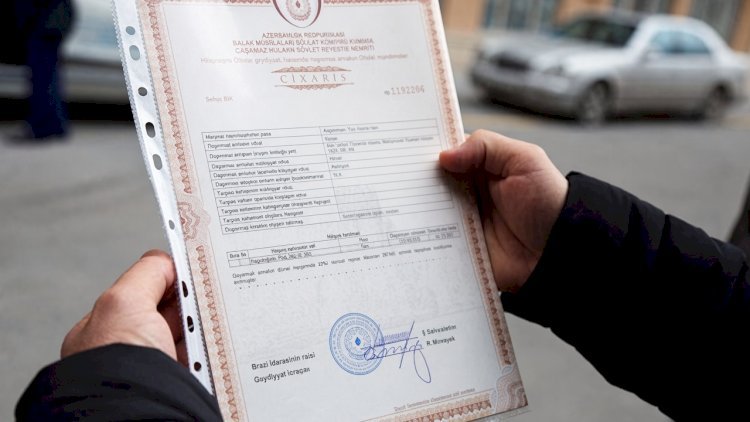
He noted that residential buildings stand in areas crossed by high-voltage lines and that state registration records exist for the ownership rights to some of those properties. A legal mechanism for acquiring land for new projects does not by itself resolve the status of homes built under lines installed earlier, he said.
The lawmaker said separate legal grounds and procedures may be needed to prevent uncertainty over existing homes.
Mirzabeyli also said the expansion of metro and railway networks, modern transport hubs and other strategic infrastructure projects was important. However, he said broader grounds for land acquisition must be balanced with the protection of property rights, legal certainty and rules governing when laws take effect.
He urged lawmakers to define clearly which activities - including construction, expansion, reconstruction, restoration and modernization - would fall under the amended rules before the bill’s second reading.
Source: Vesti Baku. The draft legislation was published by Azerbaijan’s parliament.