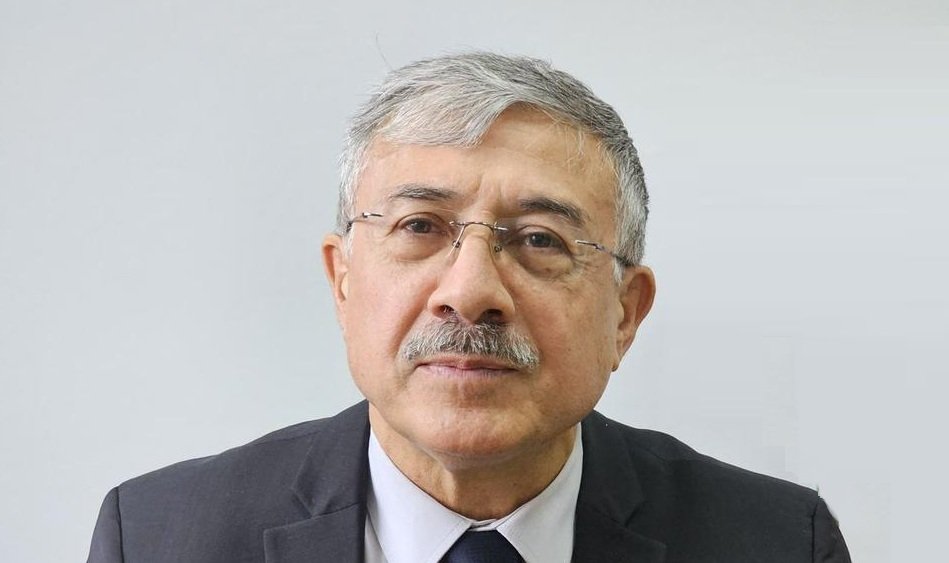
BAKU, Azerbaijan - Azerbaijan and Turkey remain close strategic allies, but the relationship does not require their national interests or foreign policies to be identical, Azerbaijani analyst Chingiz Mammadov said.
Mammadov, editor-in-chief of Vatan Online, said demands that Baku mirror Ankara’s policy toward Israel could weaken Azerbaijan and ultimately work against Turkey’s own interests.
He made the comments in an interview with the YouTube channel Geopolitics With Barvinenko. Mammadov previously headed the Azerbaijani president’s communications office and led environmental and energy programs at the United Nations Development Program in Azerbaijan.
Mammadov described recent differences between Baku and Ankara as a reflection of distinct state interests rather than merely emotional statements by individual politicians. The phrase “one nation, two states,” he said, still refers to two sovereign countries with their own foreign-policy priorities.
“Brotherhood alone is not enough. Interests also have to coincide,” Mammadov said.
Despite those differences, he said Azerbaijan and Turkey share strategic interests closely enough to sustain their partnership for at least the next two decades. He cited regional security, transport links and cooperation through the Organization of Turkic States.
Mammadov described a telephone conversation between Azerbaijani President Ilham Aliyev and Turkish President Recep Tayyip Erdogan as an important step toward easing tension. He said the identity of the person who initiated the call was less important than the leaders’ willingness to resolve disagreements and continue cooperation.
Why Baku Maintains Relations With Israel
Mammadov said differing approaches toward Israel were one source of friction. Turkey’s policy is influenced in part by its domestic political environment, including the religious segment of the governing party’s electorate, he said. Azerbaijan, meanwhile, has developed relations with Israel based on its own security and diplomatic needs.
He argued that ties with Israel and pro-Israel groups in the West helped Baku strengthen its international position. If Azerbaijan abandoned those relations under pressure from an ally, it would become weaker, which would also damage Turkey’s interests, he said.
Mammadov also criticized public arguments over which country had provided more assistance to the other and how much that support had cost.
He said allies should not keep a “price list” of mutual aid. Instead, they should explain their capabilities and red lines to each other while avoiding public accusations that erode trust.
TRIPP Does Not Replace a Peace Treaty
Mammadov separately discussed the Trump Route for International Peace and Prosperity, or TRIPP, and the Azerbaijan-Armenia peace process. He said opening the transport route and signing a peace treaty are politically connected but remain separate processes.
The absence of a final peace treaty would not necessarily prevent transport links from operating, he said. At the same time, opening a route would not resolve every dispute between Azerbaijan and Armenia.
One unresolved issue is how to combine uninterrupted transit with Armenian jurisdiction and customs authority, Mammadov said. Those provisions require clear agreements on how the route would work in practice.
He suggested that delays could reflect unsettled terms between Baku and Yerevan in discussions involving Washington. Mammadov stressed that he was not involved in the negotiations and was drawing conclusions from publicly available information.
Mammadov described Azerbaijan’s demand for changes to Armenia’s constitution as a question of long-term guarantees for peace. Presenting the demand to the Armenian public solely as foreign pressure would make a solution harder to find, he said.
Source: Vesti Baku.