AZE.US
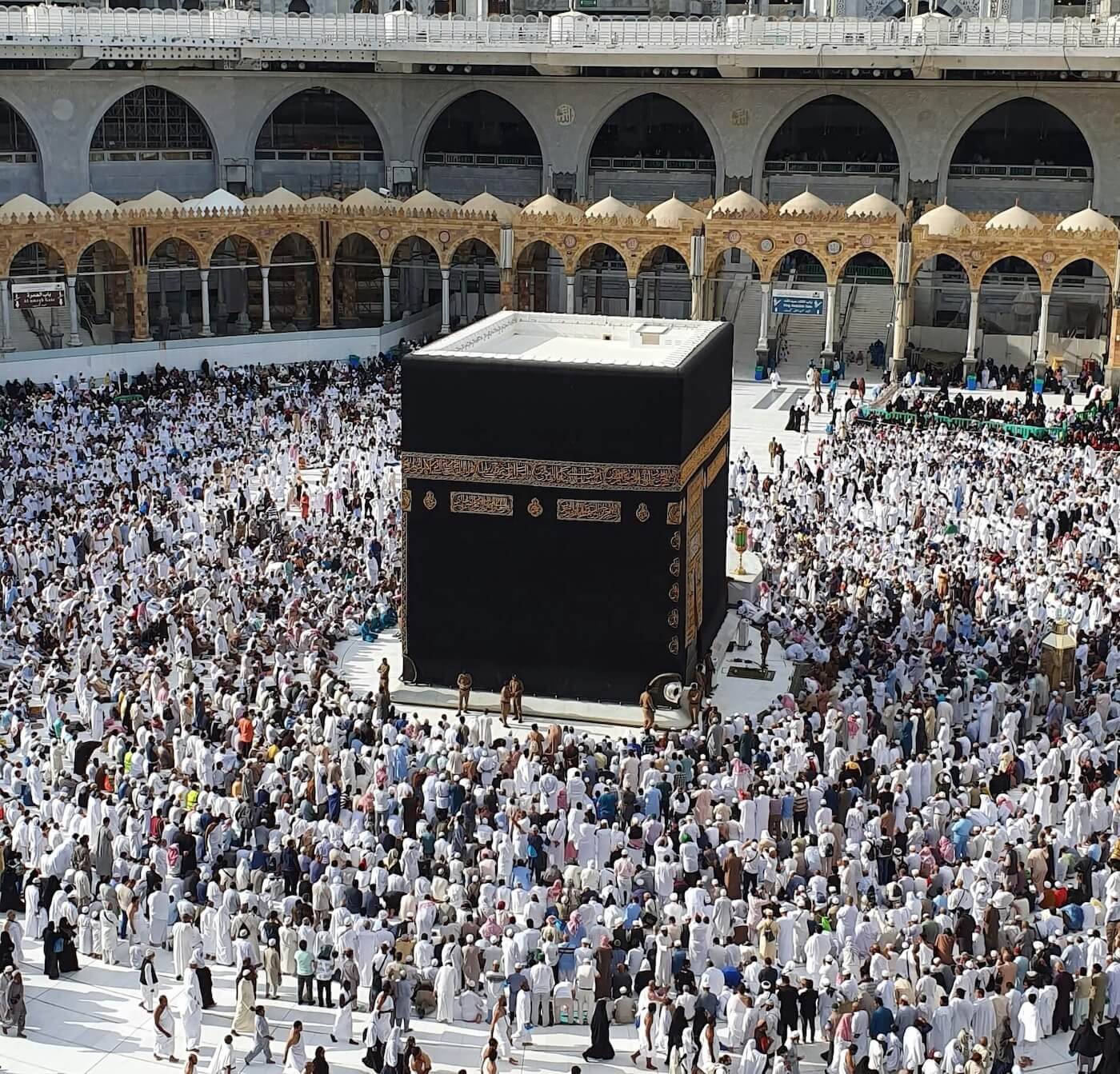
Rising tensions in the Middle East have raised concerns among Muslims preparing for the annual Hajj pilgrimage. While officials say the pilgrimage is proceeding as planned for now, questions remain about what would happen to pilgrims’ payments if the trip were cancelled.
Growing instability in the Middle East has sparked questions among Muslims planning to travel for the Hajj pilgrimage this year, including whether escalating regional tensions could disrupt the journey and what would happen to pilgrims’ payments if the trip were cancelled.
Experts say security risks linked to the ongoing confrontation between Iran and Israel could complicate travel logistics, particularly if airspace restrictions expand or insurance costs rise. Such developments could affect flight routes and increase travel expenses for pilgrims.
Hajj, one of the five pillars of Islam, is not only a religious obligation but also a large-scale international journey that depends heavily on stable travel conditions across the region.
According to analysts, prolonged military escalation could potentially lead to delays, route changes, or in extreme cases the suspension of organized pilgrimages.
Islamic scholar Fazil Ahmad noted that historically there have been periods when the Hajj pilgrimage was postponed or restricted due to extraordinary circumstances such as epidemics or security threats.
Islamic jurisprudence allows such measures when pilgrims’ safety is at risk. A recent example occurred in 2020 during the COVID-19 pandemic, when Saudi Arabia sharply limited the pilgrimage and allowed only a small number of residents already living in the country to perform Hajj.
Officials from the Caucasus Muslims Board said that no discussions about cancelling this year’s pilgrimage are currently underway.
Vusal Jahangiri, head of the board’s Foreign Relations Department and the Hajj electronic system, said that document submissions and visa procedures are continuing as usual.
According to him, around 83 percent of Azerbaijan’s pilgrimage quota has already been filled.
When asked whether pilgrims would receive refunds if the pilgrimage were cancelled, officials said such a situation has not occurred in recent years and that any decision on compensation would be made closer to the travel dates if circumstances change.
The deadline for submitting documents for Azerbaijan’s 2026 Hajj pilgrimage has been extended until March 7, officials said. The previous deadline had been set for February 15.
Each year, millions of Muslims from around the world travel to Mecca to perform the Hajj, one of the most significant religious journeys in Islam.