AZE.US
A new Supreme Leader of Iran has finally been selected. The position has gone to Mojtaba Khamenei, the son of the late Ayatollah Ali Khamenei.
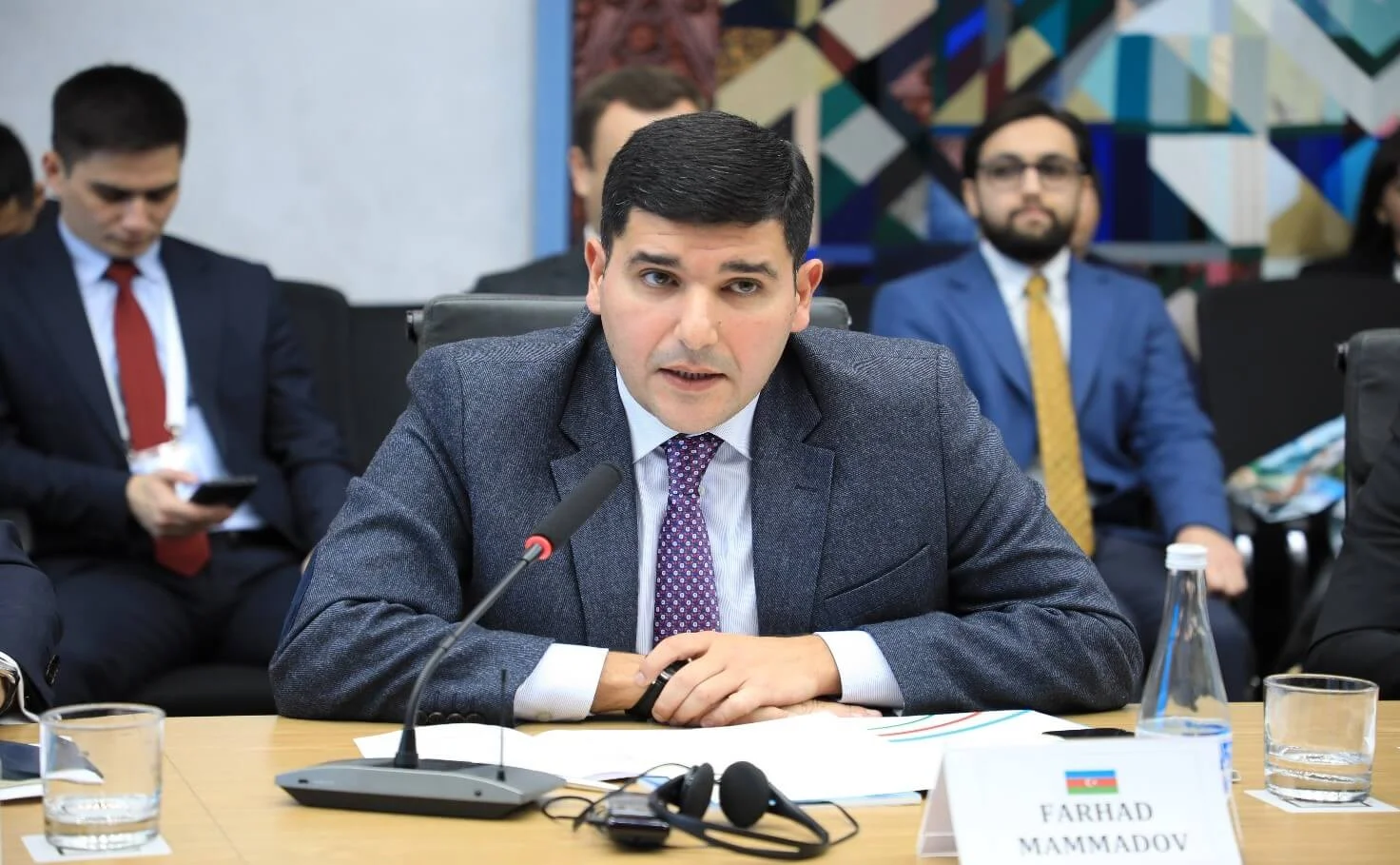
According to AZE.US, the announcement was highlighted by Farhad Mammadov, chairman of the Center for South Caucasus Studies, in a post on his Telegram channel mneniyefm.
In his commentary, the political analyst reflects on the implications of the leadership transition and the broader political dynamics now unfolding in Iran.
Mammadov notes that the process surrounding the decision remains largely opaque. The meeting of the Assembly of Experts and the voting procedure were not publicly observed, leaving many questions about how the final decision was reached.
He also points out that Mojtaba Khamenei does not possess the highest traditional clerical rank usually associated with the role of Supreme Leader. Despite this, he has been designated as the country’s new top authority.
So far, none of Iran’s key power groups have openly challenged the outcome. However, reports circulating in various information channels suggest that some factions were opposed to Mojtaba Khamenei’s candidacy.
According to the analyst, Iran now faces a critical moment. The country may attempt to restore a stable power vertical after a period of internal tension and external pressure. Achieving that goal, however, will be difficult amid ongoing regional conflict and accusations of internal disloyalty.
Mammadov also suggests that the United States may test the new leadership’s position in the coming days, potentially sending signals or proposals and waiting for Tehran’s response.
At the same time, internal political groups within Iran could attempt to present alternative proposals to Washington, particularly those dissatisfied with the new leadership.
If Mojtaba Khamenei rejects negotiations, Mammadov argues, he could quickly become a new focal point of confrontation.
For Azerbaijan, the situation may carry both risks and opportunities. The recent phone call between Iranian President Masoud Pezeshkian and Azerbaijani President Ilham Aliyev could signal a possible attempt to reduce tensions.
However, the key question remains whether that outreach was coordinated with the new Supreme Leader.
According to the analyst, forces inside Iran seeking to undermine President Pezeshkian could attempt another provocation in order to weaken his position.