AZE.US
Parking in Baku is no longer just a routine inconvenience for drivers. It is becoming one of the city’s most visible urban pressure points, as available spaces grow scarcer, garage and parking costs rise, and fines for improper parking add to public frustration.
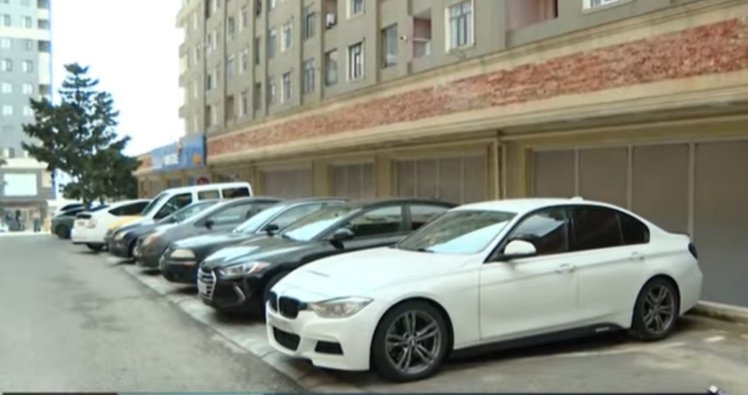
Residents say it is getting harder to find a place to leave a car near home, not only in central districts but also in residential neighborhoods where courtyards and surrounding streets are packed by evening. That pressure is pushing up demand for both traditional garages and underground parking spaces.
According to local residents, prices have risen noticeably in a short period. A parking option that recently cost around 30 manats can now run to 50 manats or more, turning car storage into a regular added expense for many households.
Analysts say the increase is being driven by several factors. Real estate prices are rising more broadly, and parking areas are increasingly treated as part of that same property market. At the same time, many newer residential buildings were not designed with enough parking capacity from the start, leaving a structural shortage that is now becoming more visible.
Demand patterns are also shifting. While many drivers once relied on separate courtyard garages, more people are now looking for spaces in underground parking facilities beneath apartment blocks. But those options are also becoming less affordable.
The issue has become even more sensitive as fines remain in force. One recent case drew attention after a driver was fined 60 manats and given two penalty points for leaving a car near a residential building. He argued that the vehicle was not obstructing traffic and that there was no clearly visible sign or marking banning parking there.
Public reaction was mixed. Some saw the penalty as unfair, while others pointed out that if a car is left on a sidewalk or outside a designated area, it can still qualify as a violation. That has exposed the deeper tension in the city: drivers say there is nowhere to park, while enforcement continues to punish attempts to improvise around the shortage.
Traffic police say such violations are monitored on a regular basis. If a vehicle blocks pedestrians or is parked in a prohibited area, administrative penalties apply. Legally, the position is straightforward.
In practice, however, Baku appears stuck in a widening contradiction. The number of cars continues to grow, but the city’s infrastructure is not expanding fast enough to accommodate them. Drivers complain about the lack of places to park, pedestrians object to blocked sidewalks, and fines only underline that no broader solution has yet been put in place.
Specialists say the problem will only deepen without better urban planning. New residential projects need to include sufficient parking from the outset, while older districts will require a more balanced approach that takes into account both drivers and pedestrians.
For now, parking in Baku has become a daily struggle – for space, for convenience and, in many cases, simply to get through the day without another fine.