AZE.US
The number of stray animals in Baku and surrounding areas remains high while shelters operate at full capacity. Experts and animal welfare advocates say a more systematic approach – including support for private shelters – is needed to address the issue.
The number of stray animals in Baku and nearby settlements continues to concern residents, as existing shelters struggle to keep up with the growing population of dogs on the streets.
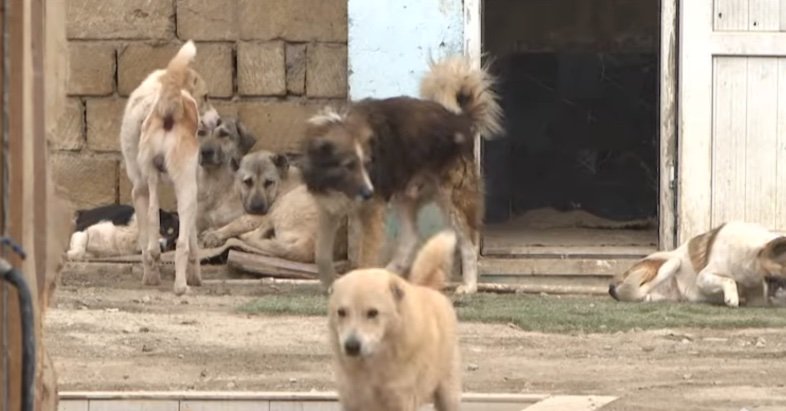
Local shelters report that they are operating at the limit of their capacity. Some facilities house hundreds of animals, many of them injured after being hit by cars, poisoned, or harmed through acts of cruelty.
According to shelter operators, most facilities rely largely on private donations and volunteer support. Funding shortages often make it difficult to provide adequate food, veterinary care and proper living conditions for the animals.
Several institutions in Azerbaijan are involved in addressing the issue. The Stray Animals Care Center, operating under the Baku City Executive Authority, is one of the main structures responsible for managing stray animal welfare in the capital.
However, experts say current measures are not sufficient and that a more coordinated policy is needed to deal with the problem in the long term.
Animal welfare advocates have proposed involving the private sector more actively. One suggestion is to provide tax or rental incentives for private animal hotels and similar facilities, encouraging them to allocate space for stray animals.
Supporters of this idea say such incentives could help create a form of social entrepreneurship, where businesses contribute to solving a public problem while maintaining sustainable operations.
Analysts note that the issue goes beyond urban management. It also concerns public safety, humane treatment of animals and the broader responsibility of society toward vulnerable living beings.
Experts believe that stronger cooperation between government institutions, private initiatives and civil society could gradually reduce pressure on shelters and lower the number of stray animals living on the streets.