AZE.US
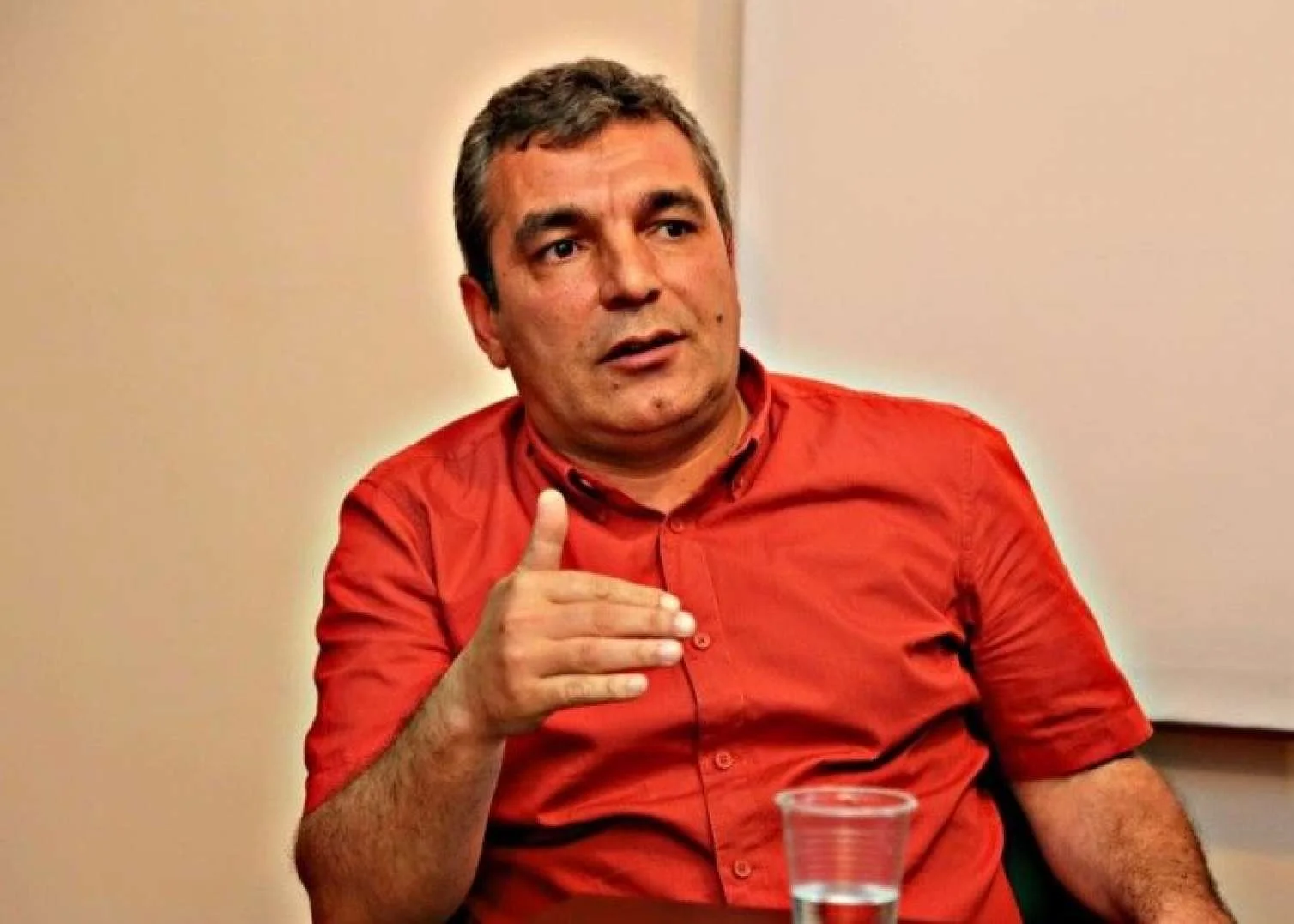
Azerbaijani politician and economist Natiq Jafarli says Russia’s key power groups are already thinking about the period after Vladimir Putin, even though the Russian president still maintains firm control over the country.
Jafarli said the biggest threat to Putin today may not come from Russia’s business elite, but from the radical pro-war forces that the Kremlin itself helped create and energize.
In his view, some Z-patriots, nationalist bloggers and military-linked figures are beginning to see Putin not as an untouchable leader, but as a politician whose leadership has failed to deliver a decisive result in Ukraine.
“For Putin, the danger is not the business elite. The danger is the Z-patriots whom he himself raised,” Jafarli said.
He argued that Russia’s liberal opposition has largely been eliminated, pushed into exile or silenced, leaving the Kremlin with a different kind of internal problem: pressure from harder-line nationalist and security circles. These groups, he said, do not want compromise. They believe Russia must continue the war and impose a tougher domestic order, because any sign of weakness could increase the risk of the country’s fragmentation.
Jafarli said he does not expect an immediate coup or sudden collapse in Moscow. But he believes several Russian power blocs have started preparing for a post-Putin transition.
He described one camp as the economic wing, which would prefer Russia to reopen itself to the outside world, restore business channels and reduce isolation. The other camp, he said, is linked to the security and military establishment and sees escalation, not compromise, as the way to preserve the Russian state.
According to Jafarli, this split may become more important as Russia faces the long-term costs of the war, sanctions and declining influence abroad.
He pointed to Moscow’s shrinking room for maneuver in Syria, parts of Africa and the post-Soviet space. The fact that Armenia’s future alignment with Russia is now openly discussed, he said, would have seemed almost unthinkable only a few years ago.
Jafarli also said nationalist circles in Russia are closely watching developments in Kazakhstan and Central Asia, where Moscow’s influence is no longer taken for granted.
“If Russia becomes seriously weakened, the probability of its fragmentation will rise,” he said.
Still, Jafarli cautioned against wishful thinking. Putin, he said, remains in control of Russia’s political system, and any talk of an imminent fall would be premature. The deeper issue, in his view, is that the system around him has already started calculating what may come next.
AZE.US