AZE.US
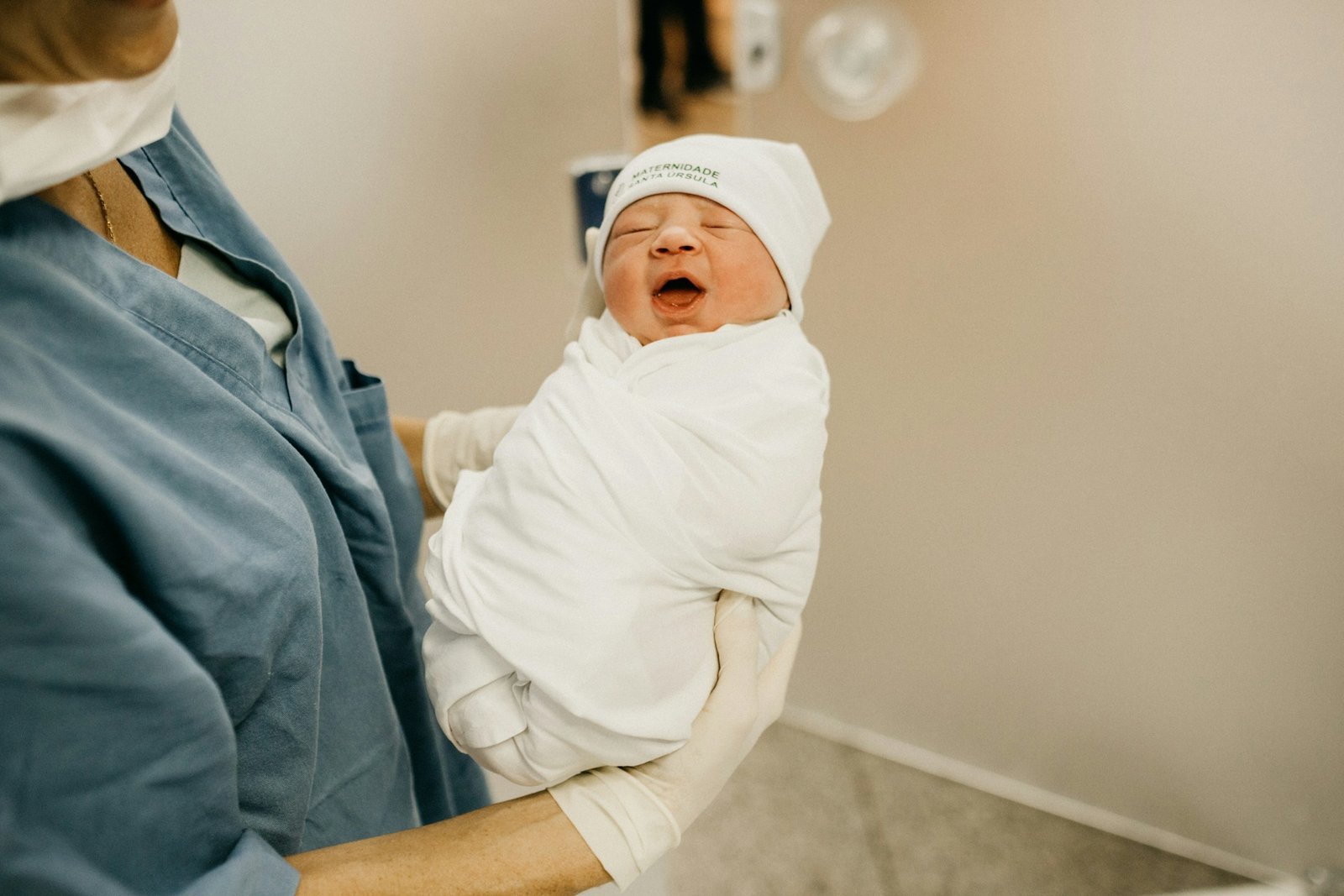
The number of newborns in Azerbaijan has fallen by half over the past 34 years, raising concern about the country’s demographic future.
In 1991, Azerbaijan recorded 190,353 newborns. In 2025, the figure stood at 95,875, according to figures cited from the State Statistics Committee. The decline has accelerated in recent years: over the past five years alone, the number of births fell by 30,696.
Experts warn that if the trend continues, Azerbaijan may face serious demographic pressure within the next 25 to 30 years. A smaller generation of children today could mean fewer workers in the future, while the share of elderly people and the burden on pension funds may grow.
One of the main factors is the rising cost of raising a child. Families say expenses that once seemed secondary have become a fixed part of household budgets, including private tutoring, courses, clothing, technology, health care and other education-related costs.
Sociologist Mail Yagub said the issue is part of a wider global trend. Modern families are less inclined to have many children, and the way people think about child-rearing has changed.
He noted that in the past, families did not calculate the cost of raising a child in the same way. Today, private tutoring alone has become a major expense for many households, while phones, clothing, travel and other expectations also shape family decisions.
MP Jeyhun Mammadov described the figures as a serious warning signal. He linked the decline to the weakening of the family institution, later marriages, young people’s reluctance to start families and the growing tendency among couples to have only one or two children.
He said the impact is already visible in some regions, where schools are seeing fewer children entering the education system each year.
Several countries, including Türkiye and Russia, have introduced incentive programs to support birth rates. Mammadov said similar measures are also being discussed in relevant committees of Azerbaijan’s Milli Majlis.
The figures point to a deeper challenge than a simple annual decline. Without stronger family support, affordable housing, child benefits and policies that reduce the financial pressure on young parents, Azerbaijan may find it difficult to reverse the trend.