AZE.US
A small mistake at a payment terminal can turn into a serious financial problem.
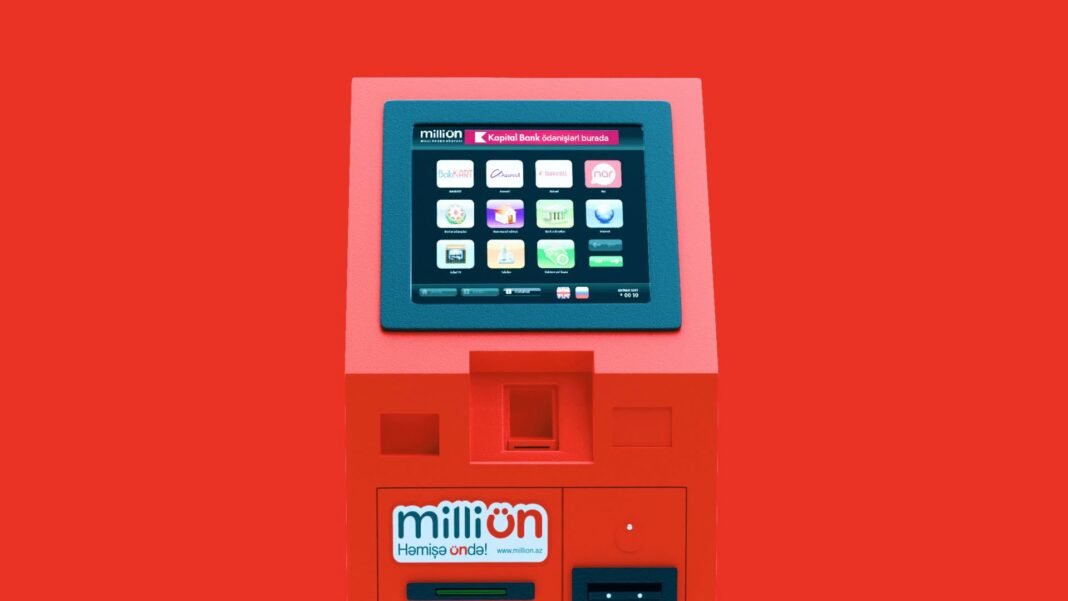
In Azerbaijan, users of payment terminals such as MilliÖN sometimes face a painful situation: they enter a card number, confirm the transfer, take the receipt and only later realize that the money went to the wrong person.
In one recent case discussed on social media, a woman reportedly sent 500 manats, about $294, to the wrong card through MilliÖN. She contacted the bank and the payment operator quickly, filed an electronic application and waited for help. Later, she was told that her request could not be fulfilled.
So does this mean the money is gone forever?
Not necessarily. But the legal reality is more complicated than many people expect.
Under Azerbaijani law, if a customer enters the wrong payment details and confirms the transaction, the bank or payment operator usually cannot simply reverse the payment by itself. Once the money is credited to another person’s card or account, it is no longer just a technical correction. It affects the rights of another bank customer.
That is why a bank may say it cannot return the money automatically. The payment operator may also refuse to compensate the sender if the system carried out the transaction exactly according to the card number entered by the user.
This does not mean the sender has no rights. It means the route to recovery may be slower.
Why The Bank Cannot Just Give The Money Back
The main issue is consent and execution.
If the user personally entered the card number and confirmed the payment, the transaction is treated differently from a stolen-card case or a technical failure. If there was no fraud, no unauthorized access and no system error, the payment service provider can argue that it executed the instruction it received.
There is also another problem: bank secrecy.
Even if the sender has the card number, the bank cannot simply disclose the name, address or contact details of the cardholder. Customer information, account data and operations are protected by law.
That is why many people feel trapped. They know where the money went in technical terms, but they do not know who received it.
When The Money Can Be Returned Without Court
The fastest solution is voluntary return.
If the recipient understands that the money arrived by mistake and agrees to send it back, the problem can be resolved quickly. In practice, the bank or payment operator may be able to notify the recipient through internal channels, depending on the circumstances and legal limits.
But if the recipient ignores the request, refuses to return the money or has already spent it, the case becomes harder.
At that point, the issue may move from customer service to civil law.
The Main Legal Route: Unjust Enrichment
The key legal concept is unjust enrichment.
Under the Civil Code of Azerbaijan, a person who receives property at someone else’s expense without a legal basis may be required to return it. In simple terms, if there was no debt, no purchase, no contract and no other lawful reason for the transfer, the recipient does not automatically have the right to keep the money.
A mistaken transfer does not become a gift simply because the sender pressed the wrong button.
That is why lawyers often say that these cases can be pursued through court. The claim is not necessarily against MilliÖN or the bank. It may be against the person who received the money without a legal basis.
What The Sender Should Do Immediately
The first step is to keep every piece of evidence.
The sender should save the terminal receipt, bank statement, SMS notifications, screenshots, date and time of payment, amount, terminal number and the card number or partial card details used in the transaction.
The second step is to file a written complaint with the payment operator and the bank. The request should ask them to verify the route of the payment, confirm whether the transaction was technically executed correctly and assist with recovery within the limits of the law.
The third step is to demand a written response.
A phone conversation is not enough. A written refusal or explanation may later be important in court or in a complaint to the Central Bank.
If the payment operator or bank refuses to help, the consumer may also file a complaint with the Central Bank of Azerbaijan as the financial sector regulator. That does not guarantee an immediate refund, but it creates a formal review trail.
Is Police Involvement Necessary?
If this was only a mistake by the sender, the matter is usually civil, not criminal.
Police involvement may make sense if there are signs of fraud: for example, if someone deliberately misled the payer, gave false payment details or used a scam scheme. But if the sender simply mistyped a card number and the recipient did nothing to cause the transfer, the main path is likely a civil claim.
Can A Court Help If The Recipient Is Unknown?
This is one of the hardest parts of such cases.
A private person may not be able to obtain the cardholder’s identity directly because of bank secrecy. But a court process can create a legal framework for requesting and using information that the sender cannot access on their own.
That is why a case may still be possible even when the sender does not know the recipient personally.
The practical problem is time and cost.
For 500 manats, hiring a lawyer and going through a court process may feel disproportionate. Court cases can take time, and legal costs may reduce the economic sense of the claim. But for many families, 500 manats is a serious amount of money, and giving up may mean allowing the recipient to keep funds that were never legally owed to them.
Who Is Responsible: MilliÖN, The Bank Or The Recipient?
It depends on what went wrong.
If there was a technical failure, incorrect processing or an unauthorized transaction, the payment service provider may have responsibility.
If the user entered the wrong card number and the system processed that exact instruction correctly, the payment operator and bank may not be required to refund the money from their own funds.
In that situation, the recipient becomes the main person from whom the money may be claimed.
This is why these cases are so frustrating. The system may work correctly from a technical point of view, while the human result is still deeply unfair.
The Bottom Line
Money sent by mistake through MilliÖN or another payment terminal is not always lost forever.
But there is usually no simple “cancel” button after the user confirms the payment and the funds reach another card. The bank and payment operator cannot automatically take money back from someone else’s account only because the sender says it was a mistake.
The realistic path is: collect documents, file written complaints with the payment operator and bank, request formal responses, try to secure voluntary return and, if necessary, go to court under unjust enrichment rules.
One wrong digit can indeed create a long and unpleasant process. But legally, a mistaken transfer does not always mean the money has disappeared for good.
AZE.US