AZE.US
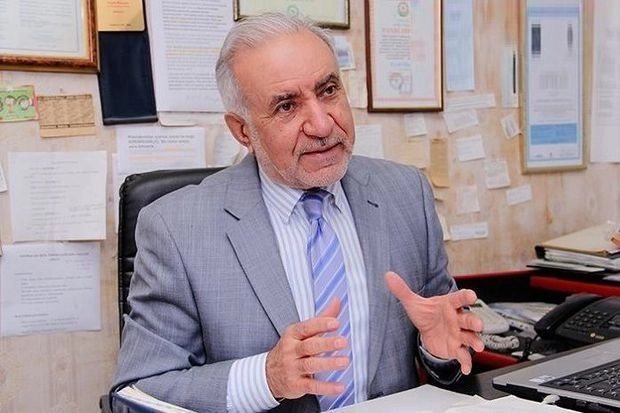
Consumers in Azerbaijan may be losing an estimated 500 million manats each year by paying for products they never purchased or being charged more than the displayed price, according to consumer rights advocate Eyyub Huseynov.
Huseynov, chairman of the Union of Free Consumers of Azerbaijan, said the estimate was based on complaints and reports received by the organization. The figure is not official government data, but an assessment compiled from consumer cases.
“Azerbaijani citizens pay 500 million manats a year for goods they did not buy,” Huseynov said.
He added that even he had encountered repeated attempts to overcharge him. At one supermarket on Nizami Street in central Baku, pricing discrepancies involving his purchases amounted to nearly 100 manats over the course of a year.
Prices at Checkout May Differ From Shelf Labels
Huseynov urged shoppers to examine their receipts immediately after paying and compare checkout prices with the labels displayed on store shelves.
Consumers should also verify the number of items listed on the receipt, particularly when purchasing several products at once. Extra items, incorrect quantities and promotional discounts that are not applied at checkout can easily go unnoticed.
According to Huseynov, price-related complaints remain among the most common problems reported by consumers in Azerbaijan.
Food storage conditions are another major concern. Some supermarkets may place refrigerators in energy-saving modes to reduce electricity costs, causing temperatures to rise above the levels required for dairy products, meat, fish and other perishable goods.
A product can therefore become unsafe even before its official expiration date.
Products Can Spoil Before Their Expiration Date
The Union of Free Consumers has received complaints about yogurts and other refrigerated products developing mold despite still being within their stated shelf life.
Huseynov said this could happen when the cold chain is interrupted during transportation, storage or delivery. Even brief exposure to excessive heat can affect the safety of a product while leaving its packaging apparently unchanged.
Food sold through major supermarket chains is generally subject to greater oversight than products purchased from informal vendors. However, Huseynov stressed that shopping at a well-known retailer does not eliminate all risks.
Consumers face greater danger when buying food from unauthorized or temporary sales points where temperature controls and storage conditions are difficult to verify.
Mushrooms, canned foods, smoked products, fish, dairy products and other goods requiring strict storage conditions are considered particularly high risk.
Alcohol Among the Most Frequently Counterfeited Products
Huseynov said alcoholic beverages account for the largest number of complaints involving suspected counterfeiting and misleading product information.
They are followed by bottled water, agricultural products, milk and dairy goods.
He advised consumers to choose alcoholic beverages that clearly display both the production date and the shelf life. According to his estimate, around 80% of alcoholic products on the market do not carry both dates.
Huseynov also challenged the widespread belief that all alcoholic beverages improve with age. While certain products can be stored for long periods under specialized conditions, ordinary bottled beverages may deteriorate or lose quality.
Consumers should also examine ingredient labels and avoid products containing unusually long lists of preservatives, flavor enhancers and artificial additives.
He pointed to juices that remain usable for months or years as an example. Even when preservatives are not clearly listed, an unusually long shelf life may indicate that additional substances or intensive processing methods have been used.
Food Poisoning Victims Struggle to Obtain Compensation
Huseynov said the Union of Free Consumers has not managed to secure compensation for a food poisoning victim during its 30 years of activity.
One of the main obstacles is the difficulty of obtaining a medical document confirming exactly which product caused the poisoning.
Patients usually seek emergency medical treatment, but doctors may not identify or formally record the specific food responsible. Without such evidence, it becomes extremely difficult to establish the liability of a manufacturer, supermarket or restaurant.
Huseynov claimed that Azerbaijan’s official food poisoning figures may be hundreds of times lower than the actual number of cases because many incidents are not properly registered.
He called for changes to the reporting system and the creation of a workable mechanism allowing victims to seek compensation.
Consumers who suspect they have purchased unsafe food are advised to keep the receipt, packaging and a sample of the product. They should also report the incident to the Food Safety Agency of Azerbaijan and obtain medical documentation if they experience symptoms of poisoning.
Huseynov also recommended avoiding products that have already passed more than half of their stated shelf life, even when they technically remain legal to sell.
For shoppers, the simplest precaution remains one of the most effective: check the receipt before leaving the store.
AZE.US