AZE.US
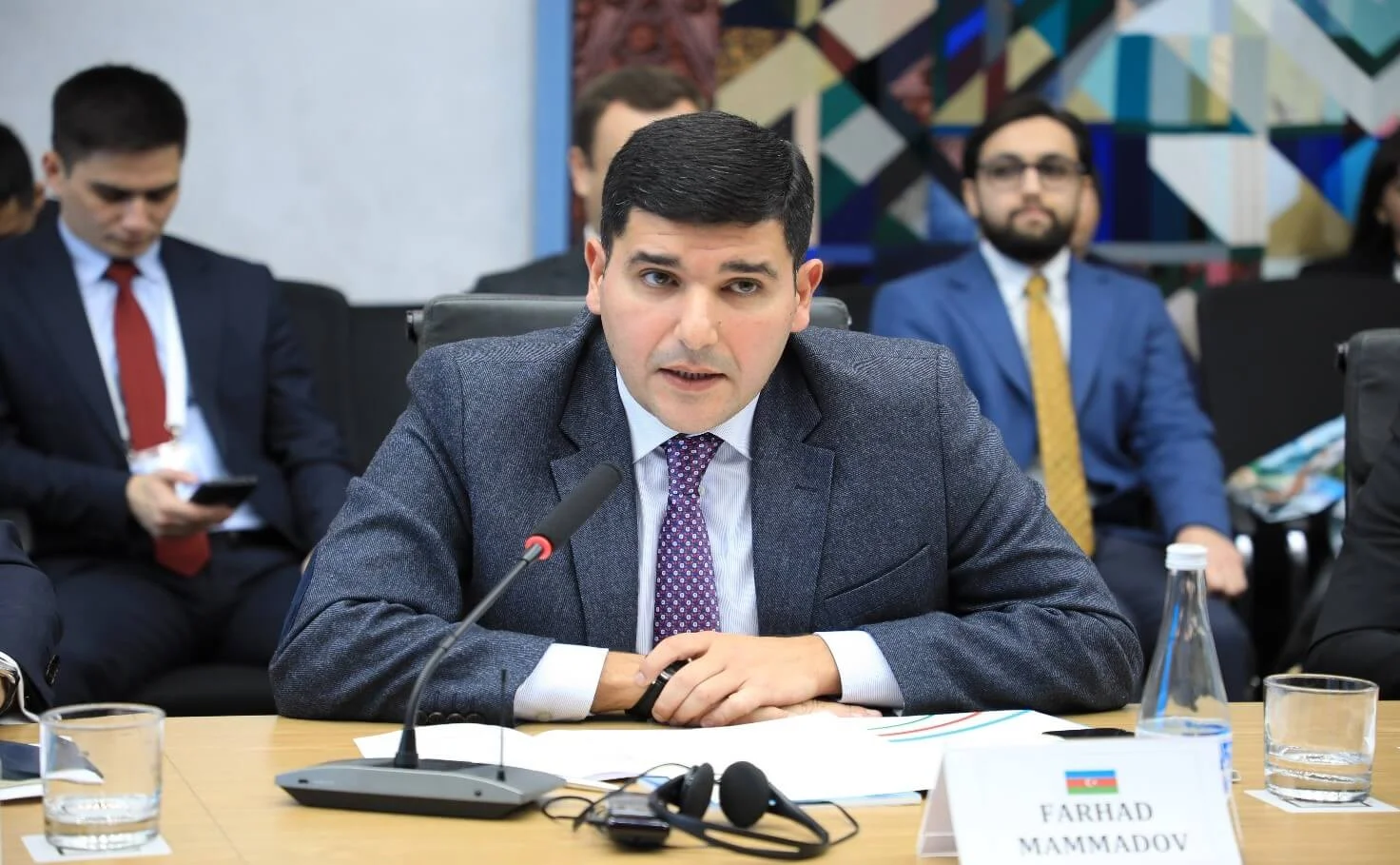
A recent phone call between the presidents of Azerbaijan and Russia shows that political dialogue at the highest level remains intact, but it does not mean the crisis between Baku and Moscow has been fully resolved, Azerbaijani political analyst Farhad Mammadov said.
Speaking on the YouTube channel Novosti Kavkaza, Mammadov suggested that Russian President Vladimir Putin’s call to Azerbaijani President Ilham Aliyev may have followed the Azerbaijani foreign minister’s visit to Moscow.
According to the analyst, the discussions may have covered bilateral relations, developments in the South Caucasus, security risks in the Caspian region and the war in Ukraine.
Mammadov stressed that he did not know the exact content of the conversation. However, he said the central question was whether the two countries were moving toward a “new normal” or whether Moscow still hoped to restore relations to the form they had before the Azerbaijan Airlines plane crash.
“Either we move toward the formation of a new normality, which the president of Azerbaijan spoke about, or the Russian side expects to restore everything that existed before the plane crash,” Mammadov said.
A Return to the Old Model Is Unlikely
In Mammadov’s view, a full return to the previous model of relations is no longer possible.
He argued that Moscow may be seeking to resolve several disputed issues as part of a single package, including the cases of detained citizens, the status of Russian organizations in Azerbaijan and other consequences of the bilateral crisis.
Baku, however, may prefer a step-by-step approach based on concrete decisions on each individual issue, he said.
One possible indicator of real progress would be developments involving Azerbaijani and Russian citizens who have been detained or convicted in the two countries.
Mammadov suggested that certain decisions could emerge in August or September, but emphasized that it would be premature to speak of any finalized agreement.
Anti-Azerbaijani Rhetoric Remains a Problem
The analyst also pointed to anti-Azerbaijani rhetoric that continues to appear in parts of the Russian political and media space.
According to Mammadov, Baku is unlikely to draw a clear distinction between official statements and remarks made by Russian politicians, television presenters or bloggers when such rhetoric continues without a visible response from the authorities.
In that case, he said, Azerbaijan may regard those statements as part of a broader political line rather than isolated personal opinions.
Caspian Security May Have Been Discussed
Mammadov identified growing security risks in the Caspian region as another possible subject of the presidential conversation.
Military activity is moving closer to the Caspian Sea, creating potential threats to shipping, energy infrastructure and the airspace of coastal states, he said.
The analyst also did not rule out discussion of the war in Ukraine and Azerbaijan’s possible role as a venue for contacts involving representatives of Russia, Ukraine and Western countries.
He stressed, however, that this was only his assessment and not confirmed information about the leaders’ conversation.
Azerbaijan has previously hosted high-level meetings between senior military representatives of Russia, the United States and NATO, giving Baku experience as a neutral venue for sensitive negotiations.
Dialogue Continues, but Actions Will Matter More
According to Mammadov, the phone call itself confirms that direct political dialogue between Baku and Moscow has not been interrupted.
The future of the relationship, however, will depend less on diplomatic contacts and more on practical steps taken by both sides.
“The Russian side must understand that a complete return to what existed before the plane crash is no longer possible,” Mammadov concluded.
AZE.US