AZE.US
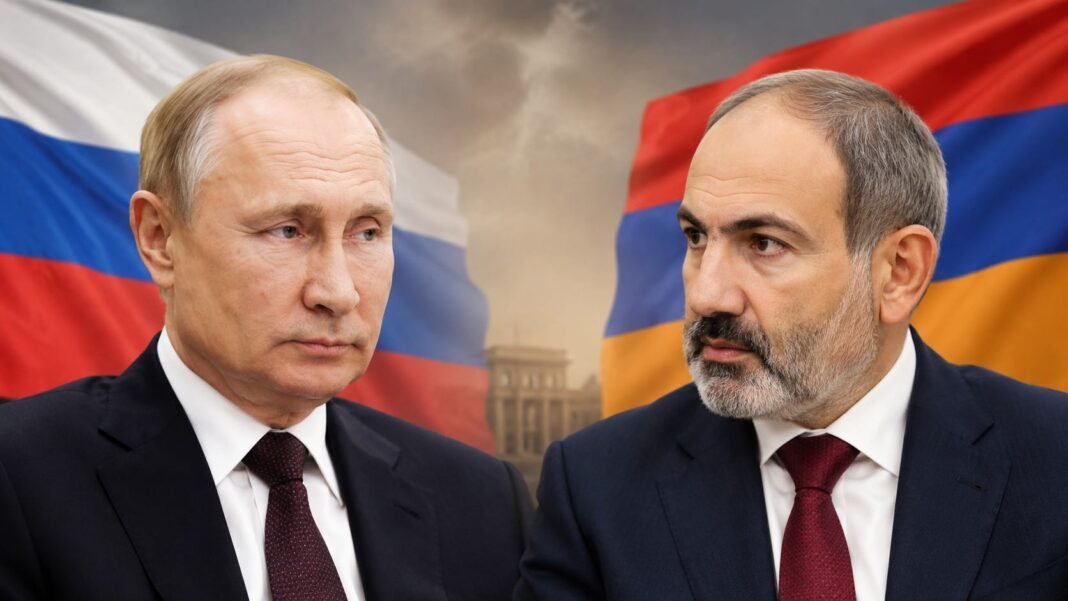
Russia is intensifying economic pressure on Armenia in an effort to demonstrate that the country cannot maintain its current development path without close ties to Moscow, Azerbaijani political analyst Farhad Mammadov said.
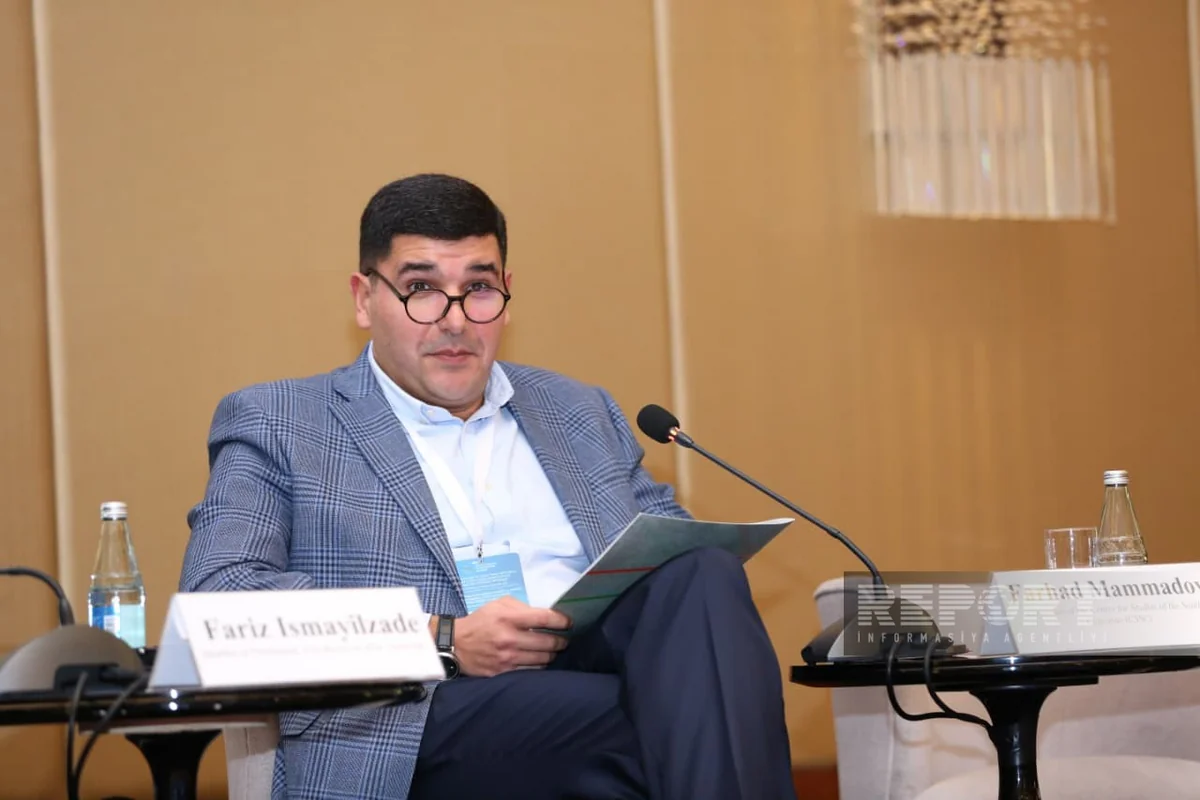
Speaking on the YouTube channel Novosti Kavkaza, Mammadov argued that Russia’s actions are no longer limited to expressing dissatisfaction with Armenian Prime Minister Nikol Pashinyan and his foreign policy.
“After a kind of punishment of Pashinyan for his election victory, they moved on to punishing the state,” Mammadov said.
According to the analyst, Moscow may seek to weaken Armenia’s economic indicators by the end of the year, including trade turnover and overall growth, to show the Armenian public the cost of deteriorating relations with Russia.
Trade Restrictions as Political Pressure
Mammadov pointed to growing problems faced by Armenian exporters seeking access to the Russian market.
Although restrictions are formally explained by sanitary and phytosanitary requirements, their timing suggests that political considerations may also be involved, he said.
The Eurasian Economic Union is intended to guarantee the free movement of goods, services, capital and labor among its member states. In practice, however, Mammadov said Russia is using administrative mechanisms against one of its formal integration partners.
He argued that Moscow has a broad range of additional tools available and may continue to increase pressure on Yerevan.
Railway Dispute Could Become a Major Test
One of the most sensitive issues is the South Caucasus Railway, which is operated under a concession agreement by a subsidiary of Russian Railways.
Mammadov said recent statements by Armenian officials about railway infrastructure could indicate that Yerevan is examining options for ending or revising the agreement.
To terminate the concession ahead of schedule, Armenia would either have to prove that the Russian operator failed to meet its obligations or compensate it for investments already made.
According to figures cited in expert discussions, that compensation could amount to approximately $400 million. Additional costs could arise from the purchase of rolling stock and other assets.
Mammadov suggested that the European Union could potentially provide Armenia with financing or a loan to support such a move.
“If they have begun naming figures, it means they have begun calculating and preparing for it,” he said.
Armenia Still Has Leverage
The analyst stressed that Armenia also has mechanisms it could use in response.
As a member of the Eurasian Economic Union, Yerevan may be able to block decisions that are important to Russia, particularly in areas where unanimous approval is required.
Mammadov compared this possibility with Armenia’s approach to the Collective Security Treaty Organization. Yerevan froze its participation in the CSTO but did not fully obstruct the organization’s procedural work.
A similar strategy could be applied within the EAEU: Armenia could formally remain a member while using its voting rights to increase its leverage in negotiations with Moscow.
Mammadov also noted that dissatisfaction with the EAEU is not limited to Armenia. Other member states have criticized the absence of a fully functioning common energy market and the restrictions their businesses face in Russia.
Remittances Could Become the Most Painful Tool
Mammadov identified financial transfers from Russia as one of Moscow’s strongest potential instruments of pressure.
He said remittances and other transfers from Russia to Armenia reached approximately $3.9 billion last year.
Any disruption lasting several weeks or months could have a serious effect on household income and the wider Armenian economy, he argued.
In his view, restrictions on money transfers could prove more damaging than a possible increase in the price of Russian gas.
At the same time, Mammadov said Pashinyan’s government appears to be preparing for further deterioration in relations with Moscow and is counting on political and financial support from the European Union.
Economic Conflict Is Deepening
According to the analyst, Russia wants to demonstrate that Armenia cannot sustain economic growth without access to the Russian market, transport infrastructure, investment and financial flows.
Yerevan, meanwhile, is attempting to show that it can diversify its foreign relations, secure Western assistance and use the institutional mechanisms of post-Soviet organizations to resist pressure from Moscow.
The dispute is therefore moving beyond political rhetoric and becoming a broader struggle over trade, transportation networks and financial resources.
AZE.US