AZE.US
Azerbaijan’s growing cooperation with Central Asian states is turning the country into a critical link in transport, energy and trade routes connecting East and West.
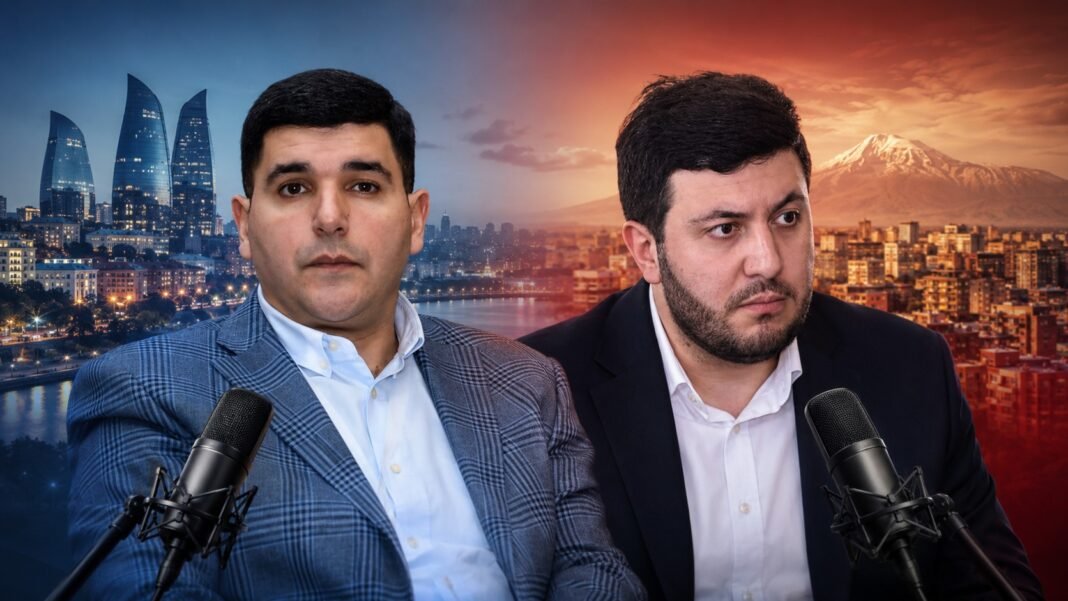
The issue was discussed by Baku-based analyst Farhad Mammadov and Yerevan-based analyst Areg Kochinyan in a new episode of Press Club TV’s “Events of the Week.”
Mammadov said Azerbaijan is now participating in meetings of Central Asian leaders as an integral part of the regional format rather than as an outside partner.
According to the analyst, relations between Azerbaijan and Central Asia are being strengthened through frequent high-level visits, expanding trade and growing investment.
Azerbaijan’s investments in Kyrgyzstan currently stand at around $100 million, with plans to increase the figure to $200 million. Baku is also pursuing major projects in Uzbekistan and developing cooperation with Tajikistan.
Mammadov said nearly all of Central Asia’s strategic development priorities – including transport, logistics, green energy, digitalization, industrial growth and critical minerals – require Azerbaijan’s participation when accessing Western markets.
“Any westward route in these areas automatically involves Azerbaijan,” he said.
The analyst argued that the South Caucasus should not become a dividing line between Armenia, which is seeking closer ties with European institutions, and Azerbaijan, which is deepening cooperation with Central Asia.
Instead, he said, peace between Armenia and Azerbaijan could turn the region into a platform connecting Central Asia with Europe.
Kochinyan agreed that the Azerbaijan-Armenia border should become a zone of cooperation rather than a geopolitical fault line.
He said Western governments view the reopening of the Armenia-Azerbaijan and Armenia-Turkey borders as an important condition for transporting goods from Central Asia to Europe through the South Caucasus.
According to Kochinyan, Washington sees regional transport initiatives not merely as routes connecting different parts of Azerbaijan, but as components of a broader corridor between Central Asia and the West.
The experts also discussed Azerbaijan’s energy cooperation with Kazakhstan and Turkmenistan.
Mammadov said the potential to redirect Kazakh oil through Azerbaijan remains limited by current infrastructure capacity and a shortage of tankers. He estimated that Azerbaijan could handle around 5 million to 7 million metric tons of Kazakh oil annually in the foreseeable future, far below the volumes transported through Russia.
He described energy cooperation with Turkmenistan as more promising.
The Dostlug field is located relatively close to Azerbaijan’s existing offshore infrastructure, making it possible to consider a comparatively short subsea pipeline for transporting oil and natural gas.
Mammadov said such projects would depend on whether European and U.S. partners are prepared to invest in the Turkmen segment of the infrastructure.
The analysts concluded that an Azerbaijan-Armenia peace agreement, the reopening of borders and further development of the Middle Corridor could transform the South Caucasus into a stable bridge between Central Asia and Europe.
AZE.US