AZE.US
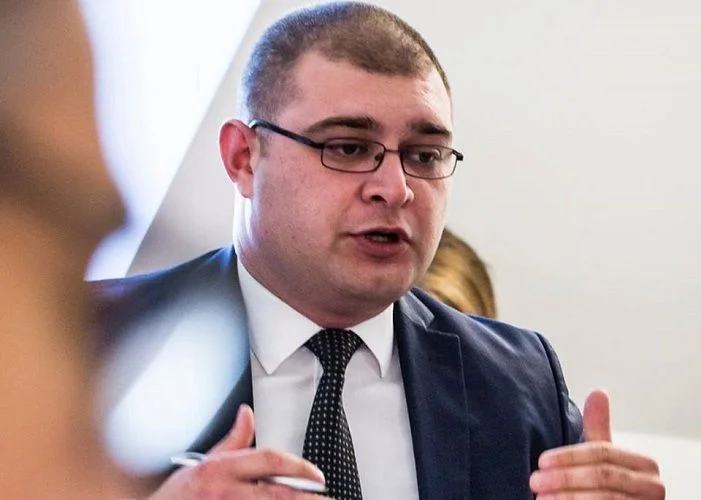
Relations between Azerbaijan and Russia are entering a period in which Moscow’s official statements about partnership may increasingly be accompanied by provocative remarks from individual politicians and media figures, Azerbaijani political analyst Ahmad Alili said.
Speaking on the YouTube program Modern Conversation with Rasim Babayev, Alili predicted that ties between Baku and Moscow could begin to resemble Azerbaijan’s long and complicated relationship with Tehran.
“In the coming years, Russian-Azerbaijani relations may look similar to what we have seen with Iran over the past several decades,” he said.
According to Alili, Russian officials may distance themselves from hostile statements, arguing that they do not represent Moscow’s official position, while radical politicians, security-linked figures and media personalities continue making accusations or threats against Azerbaijan.
“Azerbaijan already has experience dealing with this model in its relations with Iran,” he said. “The same experience may have to be applied to Russia if such attacks continue.”
Old Policies No Longer Work
Alili said the current tensions should not be viewed as a series of isolated incidents. He argued that they reflect broader disagreements that have developed over the past several years, including differences over developments in Karabakh, Ukraine and the future political order of the South Caucasus.
“Publicly, everyone will say that there are no problems and that everything is normal,” he said. “But the fundamental causes of tension between Russia and Azerbaijan remain.”
The analyst recalled President Ilham Aliyev’s position that Moscow needs to develop a new approach toward the South Caucasus. The region has changed dramatically over the past six years, he said, and attempts to operate according to previous political formulas are increasingly facing resistance from Baku.
Alili pointed in particular to alleged Russian support for political groups in Armenia that oppose the Azerbaijan-Armenia peace process or promote revanchist ideas.
“If Russia wants to see an exclusively positive dynamic in its relations with Azerbaijan, the old playbook must be abandoned,” he said. “Times have changed.”
Security Establishment Gains Influence
Alili linked the increase in anti-Azerbaijani rhetoric not only to bilateral disagreements but also to changes within Russia’s system of government.
According to him, security institutions are playing an increasingly dominant role in diplomacy, information policy, economic affairs and public life. Figures calling for pressure and forceful responses are consequently gaining greater visibility.
He said statements questioning the sovereignty of former Soviet republics, or suggesting that their citizens could be prosecuted under Russian law because of the countries’ shared Soviet past, should be treated seriously.
“This is a major challenge to Azerbaijan’s sovereignty,” Alili said. “Such ideas were previously heard less often in the Russian media space. We may see many more unpleasant episodes of this kind in the future.”
Despite those concerns, Alili did not argue that breaking relations with Russia would serve Baku’s interests. Azerbaijan, he said, should preserve official communication channels while responding firmly to pressure or interference.
A Sovereign Armenia Is in Azerbaijan’s Interest
Turning to Armenia, Alili said Prime Minister Nikol Pashinyan has developed a more consistent position on peace with Azerbaijan than he demonstrated several years ago.
He said an understanding of the need for normal relations with Baku and Ankara is gradually becoming established within Armenia’s political system. However, the success of that policy will depend on whether Pashinyan’s government can withstand pressure from domestic revanchist groups and outside powers.
Alili argued that Yerevan is attempting to reverse its traditional security model. Under former President Serzh Sargsyan, Armenia relied on Russia for military security while looking to the West for economic development.
Pashinyan, by contrast, appears to be seeking security support from the United States and Europe while preserving Armenia’s economic links with Russia and its membership in the Eurasian Economic Union.
Alili said Azerbaijan has an interest in a sovereign Armenia capable of making independent decisions without becoming an instrument of outside powers. At the same time, he warned that Armenia’s expanding military capabilities must not eventually be directed against Azerbaijan.
CNN Lawsuit Sends a Warning
Alili also addressed Azerbaijan’s legal action against CNN over a report alleging that Israel had used Azerbaijani territory to conduct operations against Iran.
He said such claims represent more than a reputational problem for Azerbaijan because they could provide an informational justification for a possible attack on the country.
The lawsuit, he argued, reflects Baku’s broader policy of responding firmly to actions it considers threats to its security and sovereignty.
“Regardless of the court’s final decision, this step has already created a certain precedent,” Alili said. “Other major media organizations will be more cautious when reporting on Azerbaijan.”
According to the analyst, the legal action could therefore strengthen Azerbaijan’s security in the international information space even if CNN is not ultimately compelled to reveal its sources.
AZE.US