AZE.US
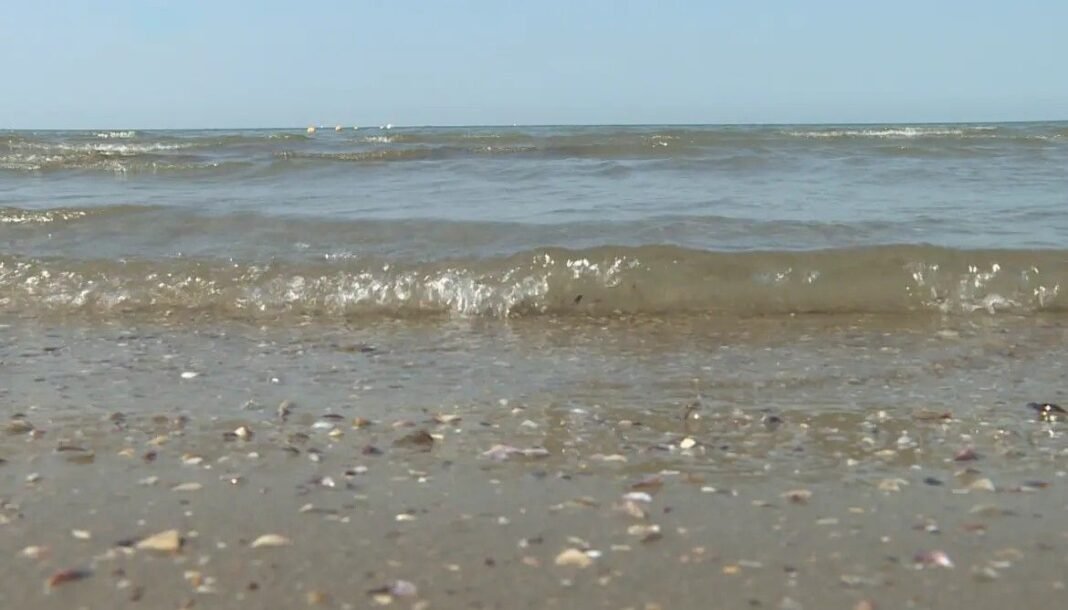
The Caspian Sea is retreating at an accelerating pace, creating growing risks for port infrastructure, fisheries, coastal communities and popular beaches in Azerbaijan.
As AZE.US reports, citing local television reports, the sea has lost more than 28,000 square kilometers of surface area over the past 30 years. In some parts of Azerbaijan, the shoreline has moved back by hundreds of meters and, in several locations, by several kilometers.
Residents of coastal settlements say areas that were once covered by water have turned into dry, sandy terrain. Some recall that the sea stood nearly 100 meters closer to homes and roads only a few decades ago.
Scientists say the decline is being driven by a combination of climate change and human activity.
The Volga River remains the largest source of water flowing into the Caspian. However, much of the river’s water is used in Russia for agriculture, industry and drinking supplies before it reaches the sea.
According to experts, the amount of water entering the Caspian has fallen by as much as 30 percent in recent years.
Rising temperatures across the Caspian basin are also increasing evaporation from the sea’s surface. At the same time, hotter conditions are pushing up demand for water across the region.
Ecologist Rovshan Abbasov said the Caspian’s water level has generally declined between 1995 and 2026, apart from several brief periods of stabilization.
Experts estimate that the sea level has fallen by more than four meters and is now at one of its lowest points in approximately 500 years.
Fish Stocks and Ecosystems at Risk
The retreat of the sea is not limited to a shifting coastline. It is also disrupting the Caspian’s broader ecosystem.
Scientists have reported a decline in zooplankton, a key food source for small fish, particularly kilka. Falling kilka populations then affect larger fish and other marine species that depend on them.
The future of the Caspian’s sturgeon population is a particular concern. The sea has historically been home to the overwhelming majority of the world’s sturgeon resources, including several rare and commercially valuable species.
Lower water levels and increased evaporation may also damage rare coastal forests, wetlands and other ecosystems in Azerbaijan, Iran, Turkmenistan and neighboring countries.
New Dangers Along the Coast
As the Caspian retreats, the shape of the seabed is changing.
New depressions, sandbars, sudden drops and powerful currents are appearing along the coastline. Experts warn that some beaches may look shallow and safe before the depth increases abruptly.
Potentially dangerous areas have been identified near Shikhovo, Pirshaghi and Buzovna.
Sandbars can also create rip currents that pull swimmers away from the shore. Specialists warn that even experienced and professional swimmers may struggle to escape such currents.
The changing seabed may require authorities to review existing swimming zones and strengthen safety measures along Azerbaijan’s coastline.
Ports and Coastal Communities Face Growing Costs
A continued fall in the Caspian’s water level could create serious economic and social problems for all five littoral states.
Port and transport infrastructure may require deeper navigation channels or the relocation of facilities. Fishing communities could face lower catches, while hotels and tourism businesses may find themselves increasingly distant from the shoreline.
Water supplies, coastal settlements and industrial facilities could also be affected.
Environmental specialists say the Caspian countries need to develop a coordinated regional action plan. Particular attention should be paid to restoring river inflows, especially the volume of water reaching the sea through the Volga.
Scientists note that the Caspian’s level has fluctuated throughout history. However, climate change, rising evaporation and intensive use of river water are accelerating the current decline.
Without coordinated action, the shrinking of the Caspian could develop into one of the region’s most serious environmental and economic crises.
AZE.US