AZE.US
A food safety scandal has erupted in Baku after Azerbaijan’s Food Safety Agency, known as AQTA, said horse meat was found during an inspection at the Alp Deluxe banquet hall in the capital’s Nizami district.
The case quickly turned into a public dispute after the owner of the venue denied the allegation, saying the restaurant had only been cited over a ventilation and temperature issue.
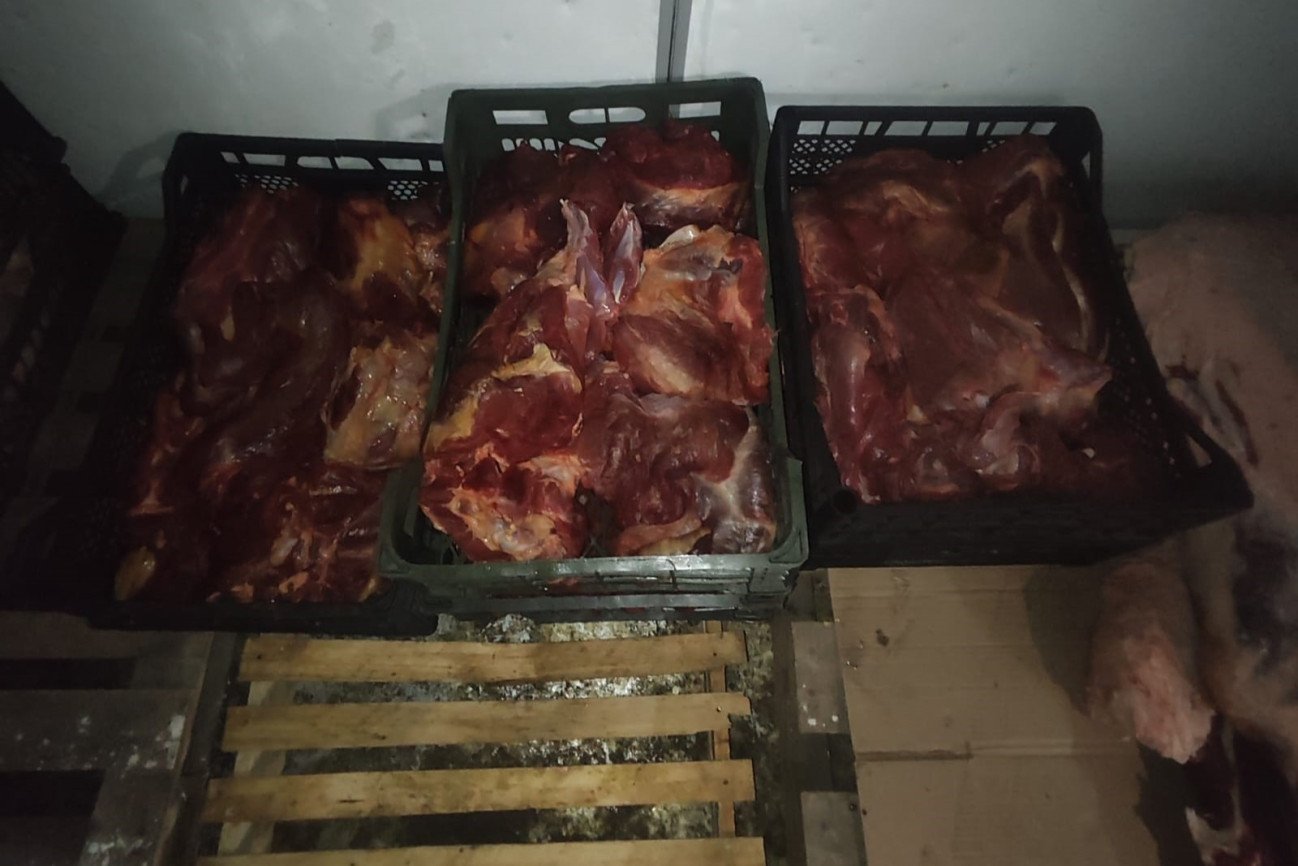
According to AQTA, inspectors found serious sanitary and technical violations at the venue. They also became suspicious of meat stored in the facility’s refrigerated area and took samples for laboratory testing.
The agency said the test results showed the presence of horse meat.
AQTA later released inspection footage to local television, saying the check was carried out in the presence of a representative of the banquet hall and recorded on camera, including body cameras worn by inspectors.
The owner of Alp Deluxe rejected the accusation, insisting that the venue’s food service is based mainly on lamb, fish and beef products.
He said the restaurant serves beef basturma and that the meat is supplied from a slaughterhouse with proper documentation. He also called on the agency to show exactly how the meat was removed from the premises.
AQTA said the suspicious meat was withdrawn from circulation and prevented from being served to consumers. An administrative protocol was drawn up against the management of the venue, and mandatory instructions were issued to address the violations.
The scandal has revived broader concerns about meat control in restaurants, wedding halls and other public catering facilities in Azerbaijan.
Food specialists say ordinary consumers usually cannot reliably distinguish horse meat from beef, especially once the meat is cooked, heavily seasoned or used in dishes such as kebab, sausage or other processed products.
Experts say veal is usually lighter in color and softer, while horse meat tends to be darker red and tougher. But in real restaurant conditions, particularly when spices and marinades are used, the difference may be almost impossible for customers to detect.
The bigger risk, specialists say, is not only the type of meat but its origin. Meat from animals that have not passed veterinary control can carry serious health risks, including food poisoning and bacterial infections such as E. coli and salmonella.
AQTA has urged consumers to buy meat only from officially registered slaughter points and to pay attention to documents confirming veterinary inspection.
The case is also another reminder of how sensitive food trust has become in Azerbaijan. For banquet halls, where families spend large sums on weddings and ceremonies, even a single scandal can raise a simple but damaging question: what exactly is being served to guests?
AZE.US