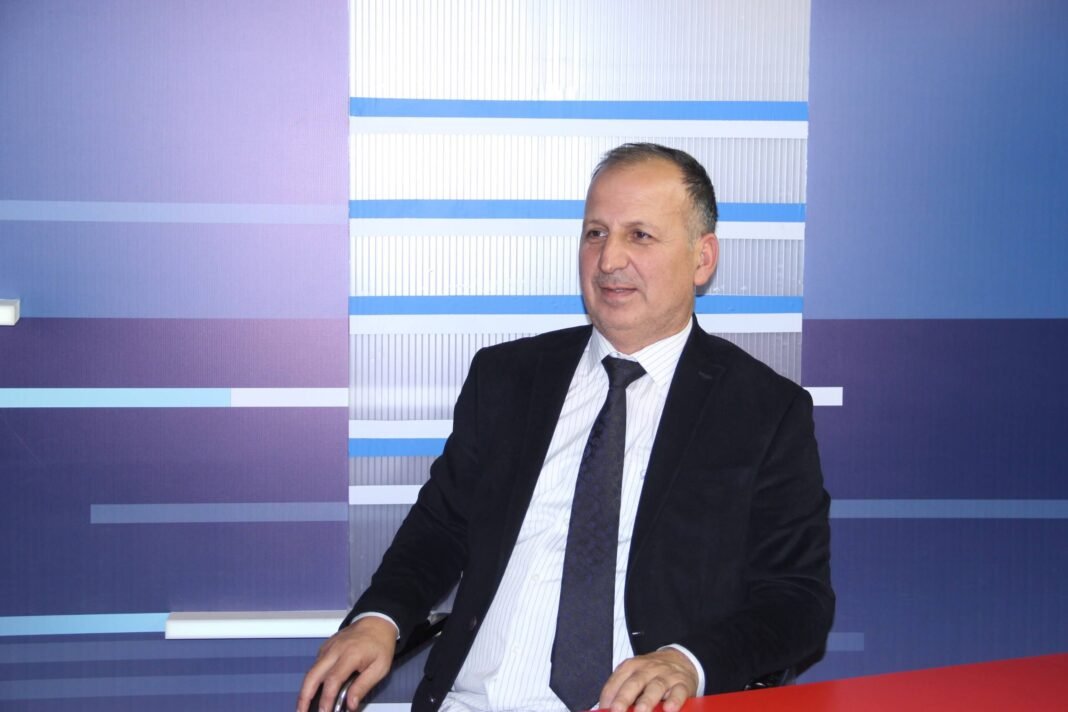
Azerbaijan’s dispute over hijab use in schools has turned into a broader social conflict while the quality of education has been pushed into the background, journalist Shahin Najaf said.
Speaking on Prime TV Azerbaijan, Najaf said discussions about clothing requirements for pupils and teachers should account for the consequences for individual children and families.
“This child is a citizen of our state. This is our child,” he said, arguing that children should not be penalized because of attitudes toward their parents’ religious views.
Najaf distinguished between adult teachers and young pupils. He opposed forcing adult women to remove the hijab, calling religious belief a personal choice, while saying he did not support young children wearing it.
He also criticized the timing of the requirements, saying schools should have explained the rules before the academic year began. Earlier notice, he said, would have given teachers time to seek work at private schools or make other professional decisions.
Azerbaijan’s Cabinet of Ministers approved clothing requirements for teachers at state general-education schools on Oct. 6. The rules emphasize clean, neat, simple and businesslike clothing that does not interfere with teaching, according to an APA review.
Najaf said the clothing dispute had eclipsed a more important question: what children are learning and how schools are teaching them. He pointed to families’ dependence on private tutors as evidence of weaknesses in the education system.
“The hijab should be one of the last issues discussed in school,” he said.
The journalist also condemned the intervention of radical groups in disputes surrounding schools, saying outsiders and inflammatory slogans had changed the nature of the discussion and harmed families seeking permission for hijab-wearing pupils to attend classes.
Najaf warned that mutual accusations could also complicate relations between Azerbaijani and Turkish society. He called for consistent explanations of school rules and dialogue involving state and religious institutions so that efforts to counter radical influence do not alienate citizens.
The original Russian-language report is available from Vesti Baku.