AZE.US
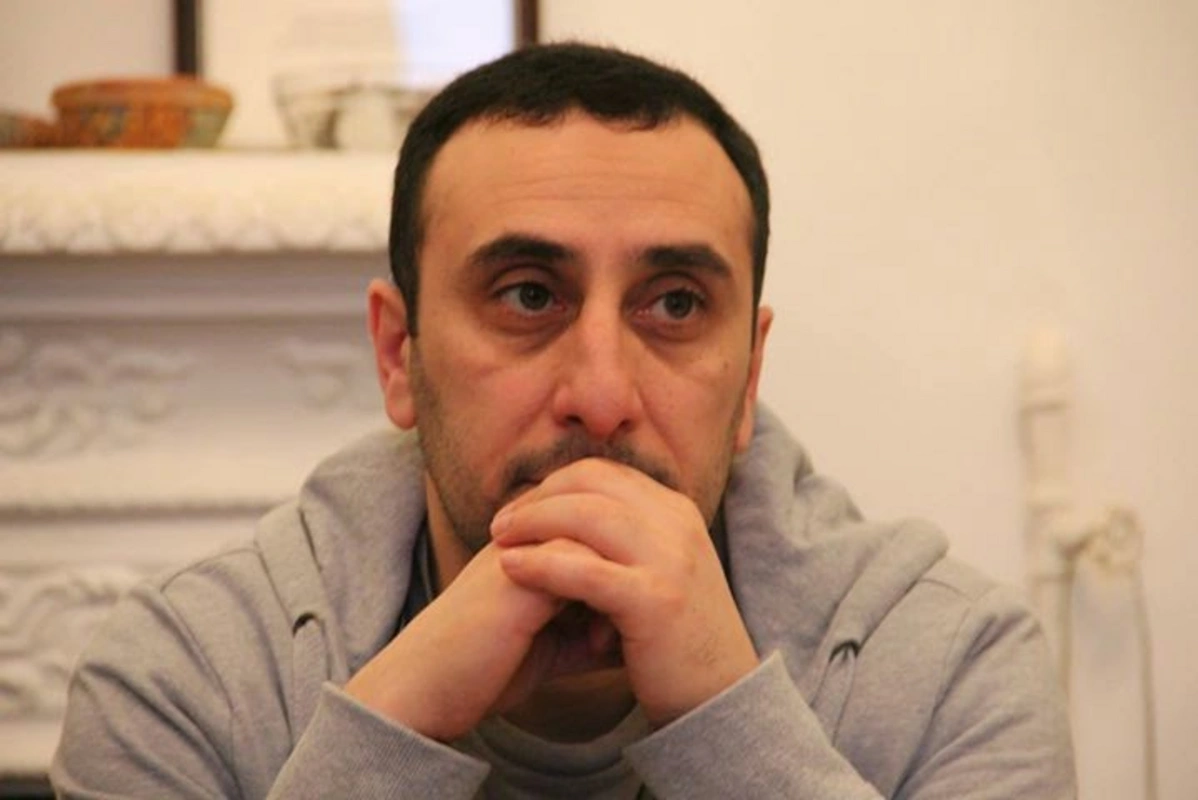
Armenia’s upcoming parliamentary election is shaping up as a struggle not only for power, but for the country’s future direction, Azerbaijani historian and political analyst Rizvan Huseynov said in an interview with the YouTube channel Daily Europe Online.
Huseynov said Prime Minister Nikol Pashinyan is entering the campaign with a clearer message than his rivals: constitutional change, regional transport links, peace with Azerbaijan and a promise to pull Armenia out of long-term isolation.
He acknowledged the usual exaggeration of election campaigns, joking that “people lie most after fishing and before political elections.” But he added that Pashinyan still has a concrete record and a political offer to present to voters.
According to Huseynov, the Armenian opposition has failed to produce a credible alternative.
“The opponents of Pashinyan cannot offer anything except war with Azerbaijan and Turkey,” he said.
Huseynov argued that anti-Pashinyan forces are effectively calling for Armenia to return to full dependence on Russia and to the old confrontation line that, in his view, brought heavy losses to Armenian society over the past three decades.
Against that background, he said Pashinyan is likely to win.
Huseynov also pointed to the public support voiced by U.S. President Donald Trump for Pashinyan ahead of the June 7 vote, calling it a serious political signal both to Armenian society and to outside actors trying to weaken the Armenian prime minister.
He said European support for Pashinyan appears less direct. The European Political Community summit held in Yerevan earlier this month could be seen as a sign of backing, Huseynov said, but Europe has limited ability to shape the balance of power in the South Caucasus.
“Among all these gestures, the most significant one is still the message from the U.S. president,” Huseynov said.
The analyst devoted much of his remarks to Russia’s role in Armenia. He said Moscow is trying to influence the election through political networks, pressure and support for forces opposed to Pashinyan’s current course.
But Huseynov argued that Russia no longer has a single coherent policy toward the South Caucasus. Instead, he said, different groups inside the Kremlin are pursuing their own financial and political interests under the cover of state policy.
“There is no such thing as a unified state policy,” he said. “Under the words ‘state interests,’ different groups inside the Kremlin defend their own financial and other interests.”
He said Moscow’s harsh reaction to Armenia’s Western opening reflects a broader Russian sensitivity toward any post-Soviet state moving closer to Europe or the United States.
In Huseynov’s view, the issue is not simply a Russian desire to recreate a “USSR 2.0.” It is also what he described as a political and psychological resentment inside Moscow after Russia failed to be accepted by the West as an equal partner.
He contrasted Armenia’s situation with Kazakhstan, saying Astana has been able to pursue a more balanced course between Russia, China and the Turkic world. China, he said, operates in Central Asia through economic interests and soft power, while Russia often relies on pressure and attempts to preserve old influence.
Huseynov also said Azerbaijan and Turkey have acted with restraint during Armenia’s election season, understanding that any sharp statement from Baku or Ankara could be used by Pashinyan’s opponents in the domestic campaign.
For Armenia, he said, the core question is whether society will choose another cycle of dependence and confrontation or a more pragmatic course built around peace, transport corridors and a new regional role.
AZE.US