AZE.US
Ukraine is steadily moving the war deeper into Russian territory, striking oil refineries, warehouses, military infrastructure and other economically important facilities.
As colder weather approaches, elements of Russia’s energy system could also become targets.
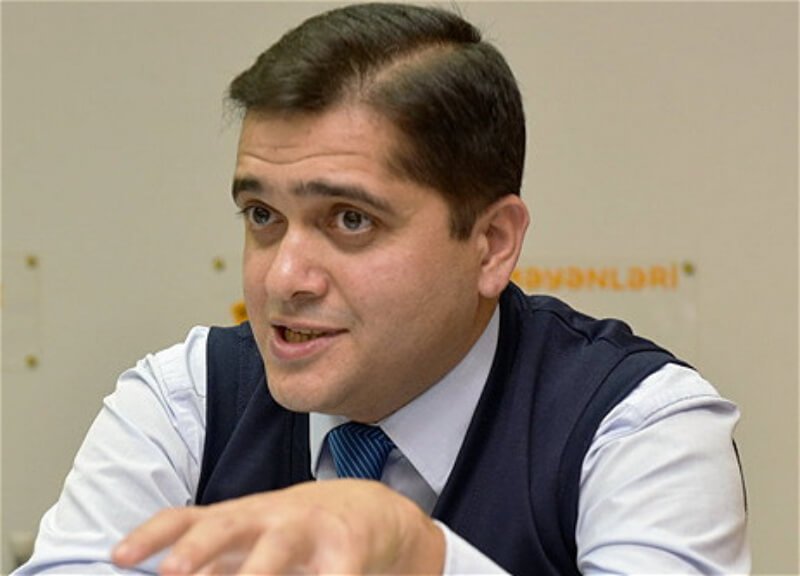
As Vesti Baku reports, Azerbaijani political analyst Elkhan Shahinoglu made the assessment on Prime TV Azerbaijan while discussing the latest phase of the Russia-Ukraine war.
According to Shahinoglu, Ukraine previously relied primarily on long-range drones capable of traveling thousands of kilometers. Reports that missiles could increasingly supplement those attacks may significantly alter the nature of the conflict and create much greater risks for Russia.
Recent strikes have again targeted facilities in the Moscow and Leningrad regions, as well as the Belgorod, Voronezh, Bryansk and other border areas. Oil refineries and facilities linked to fuel supplies for the Russian military remain among Ukraine’s primary targets.
The effects of the attacks, however, are increasingly being felt beyond the Russian state and military. Shahinoglu pointed to damage sustained by a large warehouse complex where goods belonging to thousands of small and medium-sized businesses were reportedly stored.
Many business owners now fear that they have lost their inventory while remaining liable for taxes, loans and other financial obligations. Questions have also emerged over whether the affected entrepreneurs will receive compensation.
Shahinoglu argued that one of Kyiv’s objectives is to make Russian society experience the economic and social consequences of the war directly.
“Many Russian citizens previously viewed the war as something distant. Now it is reaching their businesses, warehouses and stores, affecting their incomes and making everyday life more difficult,” he said.
Drone strikes also pose risks to civilians. Even when military or industrial infrastructure is targeted, a drone intercepted by air defense systems can change course, while falling debris may strike residential buildings or public spaces.
Despite the growing number of such incidents, Shahinoglu said there is still little evidence that they have prompted the Kremlin to reconsider its policy. The Russian leadership continues to signal that it is prepared to wage a prolonged war.
At the same time, Ukraine is expanding drone production and deploying unmanned systems more extensively on the battlefield. According to the analyst, drones allow the Ukrainian military to reduce personnel losses by carrying out missions that would previously have required soldiers to enter direct combat.
Shahinoglu also warned that Russia could face severe domestic problems even after the fighting ends. These could include the return of large numbers of wounded and psychologically traumatized soldiers, difficulties integrating them into civilian life, rising crime and job losses at military-industrial enterprises.
Since the beginning of the war, much of Russia’s economy has been redirected toward military production. Once large government defense contracts decline, some factories may be forced to dismiss workers or convert to civilian manufacturing. Such a transition could prove economically and socially painful.
The analyst identified the possible expansion of Ukrainian strikes against Russian energy infrastructure as one of the greatest risks in the coming months.
“As the cold season approaches, Ukraine may begin striking facilities connected to heating and energy supplies,” Shahinoglu said. “This winter could therefore be a very cold one for Russians.”
AZE.US