AZE.US
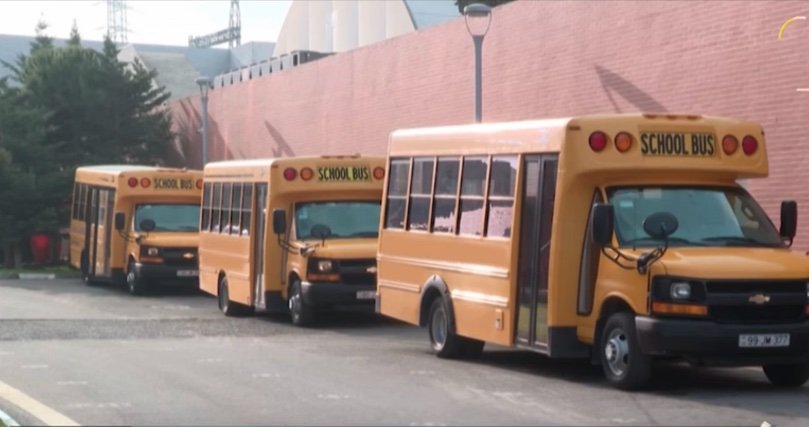
Every morning in Baku begins with the same stressful routine: parents rushing to work and children trying to reach school on time. School bus services could provide a convenient solution, but in reality the system still faces several challenges – from high costs to safety concerns and traffic restrictions.
For many families, taking children to school has become a daily logistical problem. Parents say that relying on private school transport services is not always affordable.
“Given the current service prices, it would be better if they matched family budgets,” one parent said, noting that transportation costs can place additional pressure on household finances.
Operators of school bus services argue that the business involves significant expenses. The purchase of buses, technical maintenance, fuel, and staff salaries all affect the final price of the service. According to industry representatives, making the service more affordable may require government support in the form of subsidies or tax incentives.
Safety is another issue frequently raised by drivers and parents. Many children transported by these services are very young – sometimes only five or six years old – which increases the responsibility placed on drivers.
Some drivers say that the lack of special identification or priority access complicates their work in heavy traffic.
“We transport small children and are responsible for their safety. But without clear identification or certain privileges on the road, it becomes very difficult to operate efficiently,” one driver explained.
The Azerbaijan Land Transport Agency says the situation is regulated by traffic laws. According to the agency, lanes designated for public transport cannot be used by other vehicles, including school buses, because doing so could reduce the efficiency of the city’s public transportation system.
Authorities say a pilot project launched by the Ministry of Science and Education aims to improve the situation. Under this initiative, several schools have begun transporting students using coordinated bus systems designed to ensure safe and timely travel.
Experts also note that part of the problem is related to school choice. Many parents prefer schools located far from their homes, which increases travel distances and adds pressure to Baku’s already congested road network.
“The best school is often the one closest to home,” one expert said, suggesting that choosing nearby schools could help reduce traffic and delays.
While pilot programs offer some hope, analysts say a long-term solution will require balancing the interests of parents, transport companies, and city authorities to create a sustainable and affordable system for student transportation.