AZE.US
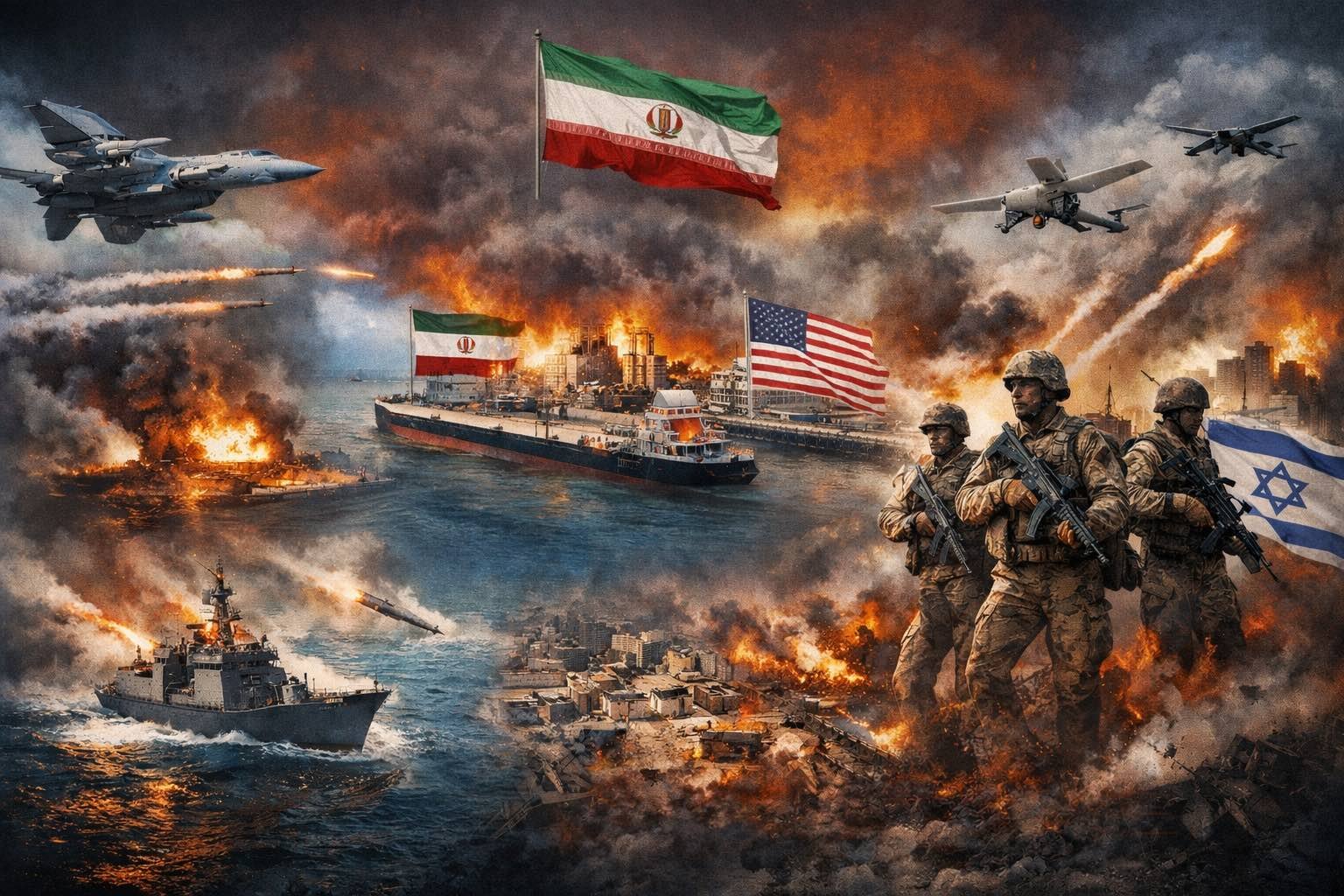
The United States and Iran have traded new military strikes, putting fresh strain on a fragile ceasefire around the Strait of Hormuz and reviving concerns over one of the world’s most sensitive energy corridors.
Reuters reported that U.S. forces carried out new strikes inside Iran, targeting a military site near Bandar Abbas and shooting down four Iranian one-way attack drones that Washington said posed a threat to American forces and commercial shipping near the Strait of Hormuz. A U.S. official told Reuters that the site hit was a ground control station preparing to launch a fifth drone.
Iran’s Islamic Revolutionary Guard Corps said it responded by targeting a U.S. airbase after what it described as an American strike near Bandar Abbas airport. The IRGC did not identify the location of the base it said was hit, while warning that any further “aggression” would draw a stronger response.
The latest exchange follows another U.S. operation earlier this week in the same area. CENTCOM said American forces had conducted “self-defense” strikes against Iranian vessels and missile sites that it said threatened U.S. personnel and shipping.
Washington is presenting the latest strikes as defensive and aimed at preserving the ceasefire, not breaking it. Tehran says the U.S. actions amount to a violation of the truce. That gap is now the core danger: both sides are using the language of restraint while carrying out military actions that can quickly pull the region back toward open conflict.
The Strait of Hormuz is again at the center of the crisis. Any prolonged disruption there would have consequences far beyond the Gulf, affecting oil markets, shipping costs and energy-importing economies across Europe and Asia.
Oil markets reacted immediately. Brent crude rose by more than 3 percent after Iran said it had targeted a U.S. airbase, with Reuters reporting Brent at about $97.80 a barrel and U.S. West Texas Intermediate above $91.
The escalation also comes as Washington and Tehran remain at odds over the future of the waterway. Reuters reported that President Donald Trump dismissed an Iranian media report suggesting progress toward a possible arrangement over commercial traffic in the Strait of Hormuz, saying the route would remain international.
For Azerbaijan and the wider South Caucasus, the immediate issue is not direct military involvement, but the regional effect of instability around Iran and the Gulf. Higher energy prices, shipping risk and renewed U.S.-Iran confrontation can quickly reshape diplomatic and economic calculations across the broader Caspian and Middle East space.
For now, the ceasefire technically remains in place. In practice, it is becoming harder to distinguish between a ceasefire under pressure and a conflict slowly restarting under another name.
AZE.US