AZE.US
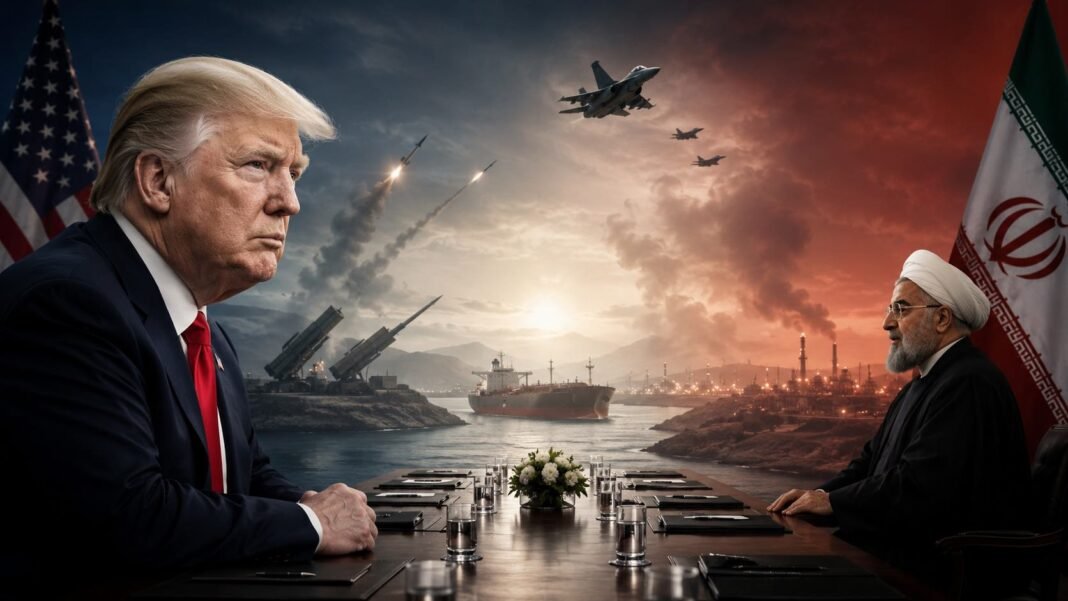
The confrontation between the United States and Iran entered a volatile new phase Thursday, with fresh military exchanges followed by claims of progress toward a possible interim deal.
President Donald Trump said he had called off new strikes on Iran, citing what he described as a breakthrough in talks to end the war.
The statement came only hours after he had threatened further escalation and after another round of U.S. attacks on Iranian targets.
According to AP, Trump said he expected an agreement to extend the ceasefire to be finalized in the coming days. Iranian officials did not immediately confirm the claim.
Reuters reported that U.S. forces had struck military surveillance capabilities, communication systems and air defense sites across Iran.
Iran said it launched counterattacks on U.S. military targets at airbases in Kuwait and Bahrain. Tehran also warned that any further U.S. attack would bring a more severe response.
The Strait of Hormuz remains one of the most dangerous pressure points in the crisis. Iran’s military has warned against vessels passing through the waterway, while U.S. Central Command says commercial ships continue to transit despite Iranian threats.
At the same time, Reuters reported that U.S. and Iranian negotiators are working on an interim arrangement that could ease hostilities. A central issue is the release of frozen Iranian oil revenues. Iranian sources said Tehran wants immediate access to between $6 billion and $12 billion, while Washington wants any funds released gradually and tied to humanitarian use.
The emerging framework would reportedly involve some easing of Iran’s pressure on the Strait of Hormuz and an end to the U.S. blockade on Iranian ports. But the most difficult issues, including Iran’s nuclear enrichment capacity and stockpile of highly enriched uranium, would be left for later negotiations.
The United Nations urged both sides to return fully to the ceasefire. Secretary-General Antonio Guterres warned that further escalation could trigger a broader resumption of conflict with unpredictable consequences for the region and the world.
For now, the confrontation is moving on two tracks at once: military pressure and diplomatic bargaining. That makes the coming days critical.
A temporary deal could reduce the immediate risk of a wider war, but the unresolved nuclear file, oil routes and regional attacks mean the crisis is far from over.
AZE.US