AZE.US
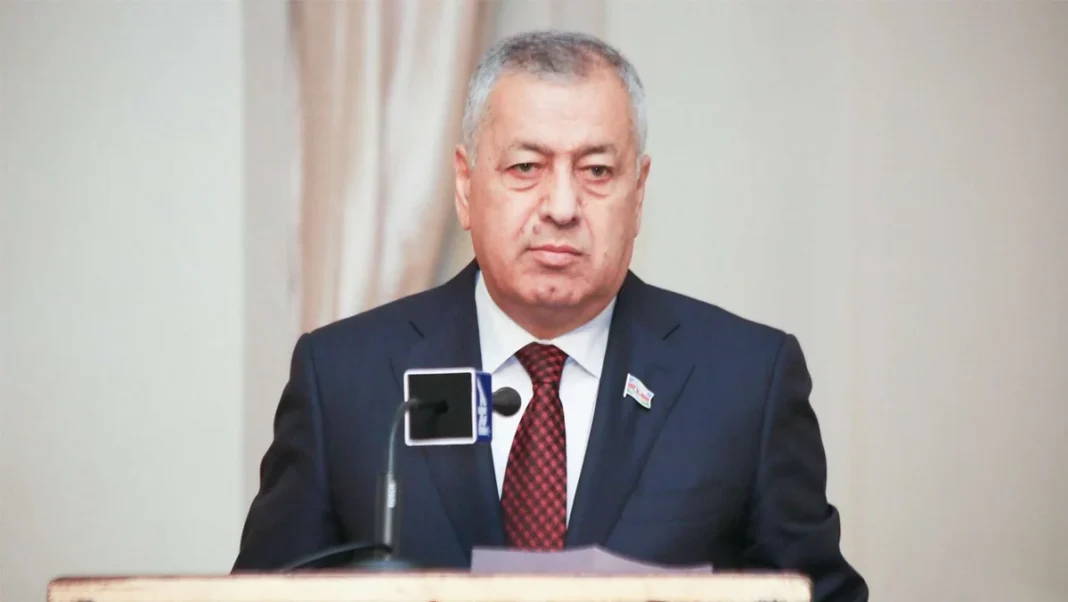
Rising prices, a shortage of jobs in the regions and the excessive concentration of economic activity in Baku remain among Azerbaijan’s most pressing social problems, economist and former member of parliament Vahid Ahmadov said.
Speaking on Media Türk TV, Ahmadov argued that a wage increase of around 10% in 2027 would not significantly improve living standards if household income merely kept pace with inflation.
“If inflation is 10% and wages are indexed by the same 10%, that does not amount to a real increase in income,” he said.
“People can see how quickly food and everyday goods are becoming more expensive. The price increases felt by households are much greater.”
Ahmadov said government agencies should monitor markets more effectively and act against monopolistic practices and unjustified price increases. A market economy, he argued, should not become “price anarchy” in which businesses can set prices without meaningful competition.
Regional Job Shortage Is Driving Migration to Baku
Ahmadov linked the continuing movement of people to the capital primarily to a lack of employment outside Baku. Although several state programs have improved roads, gas supplies and water infrastructure across Azerbaijan, he said their central economic objective has not been fully achieved.
“The most important unresolved issue is the creation of jobs,” Ahmadov said. “Unless we solve it, Azerbaijan’s social problems will remain.”
He proposed a separate development plan for each of the country’s economic regions, tailored to its resources, potential industries and capacity to attract investment.
The loss of population from the regions is also increasing pressure on Baku, he said, worsening traffic congestion and other urban problems. Ministries, universities, large companies and a substantial share of the country’s employment are concentrated in the capital, compelling many people to relocate or commute there for work.
As part of the solution, Ahmadov suggested moving some government agencies and educational institutions out of central Baku and relocating them either to nearby areas or to other Azerbaijani cities.
“Why does the Ministry of Agriculture necessarily have to be in Baku?” he asked. “It could be located in Ganja, Guba or Lankaran.”
Private Pension Funds and Access to Savings
Ahmadov also called for renewed debate over Azerbaijan’s pension system. He noted that the retirement age has reached 65 for both men and women and said the issue should be reconsidered.
He advocated the creation of private pension funds that could offer an alternative to the existing state-run system. Azerbaijanis should also have limited access to part of their accumulated pension capital during their working lives, he said, possibly through interest-free loans that would later be repaid.
“A person may have substantial pension savings but cannot use them,” Ahmadov said. “At the same time, that person has to borrow from a bank and pay interest. Why not allow people to use part of their own money for a limited period?”
Child Benefits Should Return to the Agenda
The former lawmaker also called for the restoration of child benefits. Direct payments, he said, are less vulnerable to bureaucratic barriers because the money is transferred straight to the family.
If the state budget cannot immediately support universal payments, Ahmadov suggested introducing the program in stages – for example, by setting age limits or initially covering the most vulnerable households.
He also urged the government to consider assistance for families with three children instead of reserving support only for families with five or more children.
“Child benefits, the retirement age and pension capital are among the issues most widely discussed in society today,” he said. “They require decisions, not only discussion.”
Food Prices and Import Dependence
Turning to food security, Ahmadov said Azerbaijan remains dependent on imports for several essential products, including grain. In his view, a country should be able to cover at least 80% of its domestic food needs to be considered secure.
He called for greater support not only for large agricultural enterprises but also for small farmers working one or several hectares of land.
Another major problem, Ahmadov said, is farmers’ limited access to markets. Producers may face intermediaries, barriers at wholesale markets and inadequate storage infrastructure. As a result, some crops are lost while retail prices in cities continue to rise.
He proposed maintaining larger state food reserves that could be released when shortages cause sudden price increases, adding supply to the market and helping stabilize costs.
Ahmadov said Azerbaijan’s economic and social challenges require a coordinated response involving regional job creation, stronger competition, support for small farmers, pension reform and more targeted help for families.
“Wages and pensions can be increased,” he said, “but if prices rise even faster, people will still be unable to buy what they need.”
AZE.US